Renewable Energy and the Future of Reliance on Clean Sources
renewable energy has become a global focus—not just as an alternative energy solution, but as a key to achieving sustainable development. While traditional energy sources such as coal and oil rely on finite resources and produce harmful emissions, clean sources like solar, wind, and hydro energy offer an environmentally friendly and long-term sustainable solution.
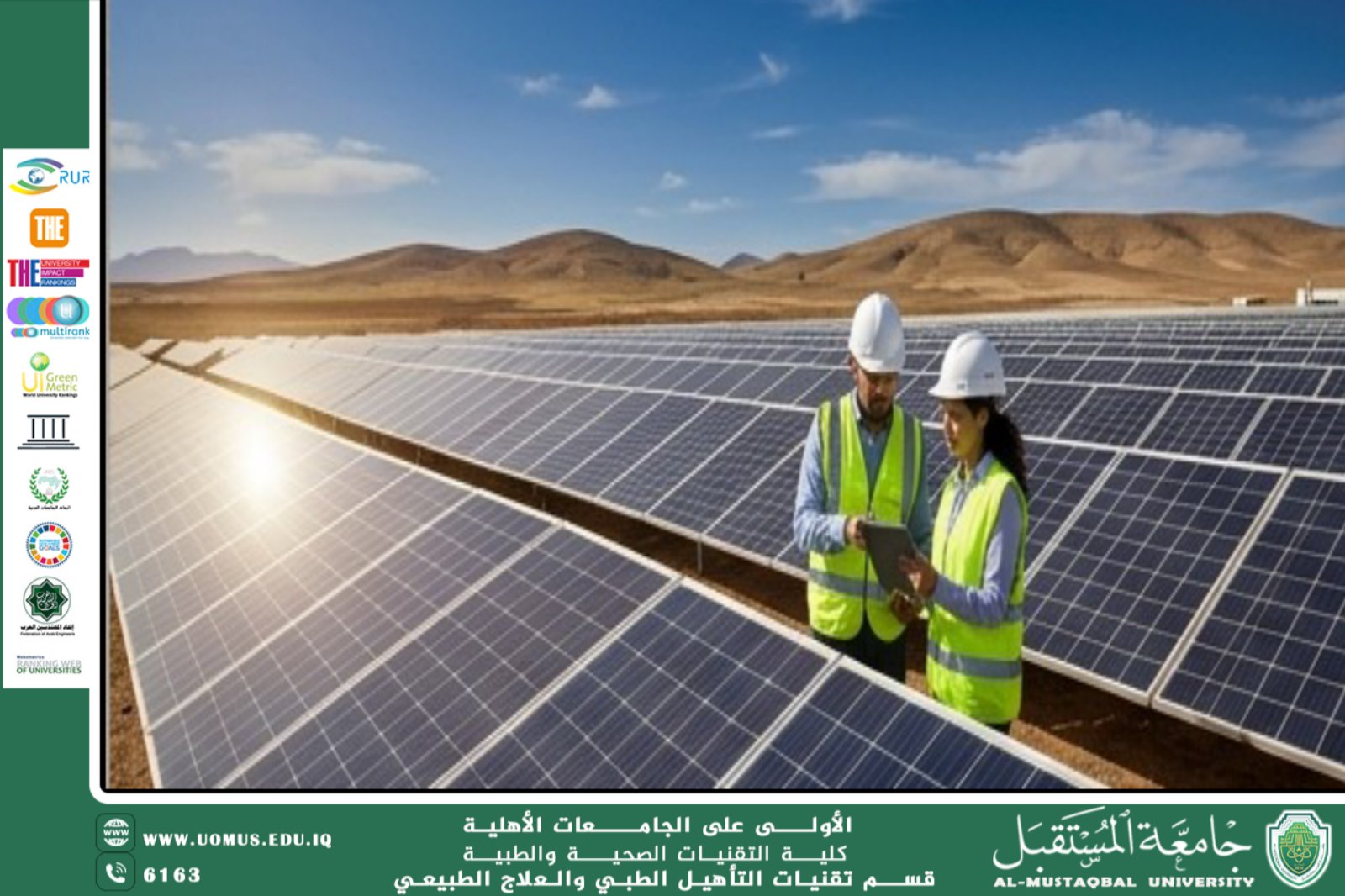
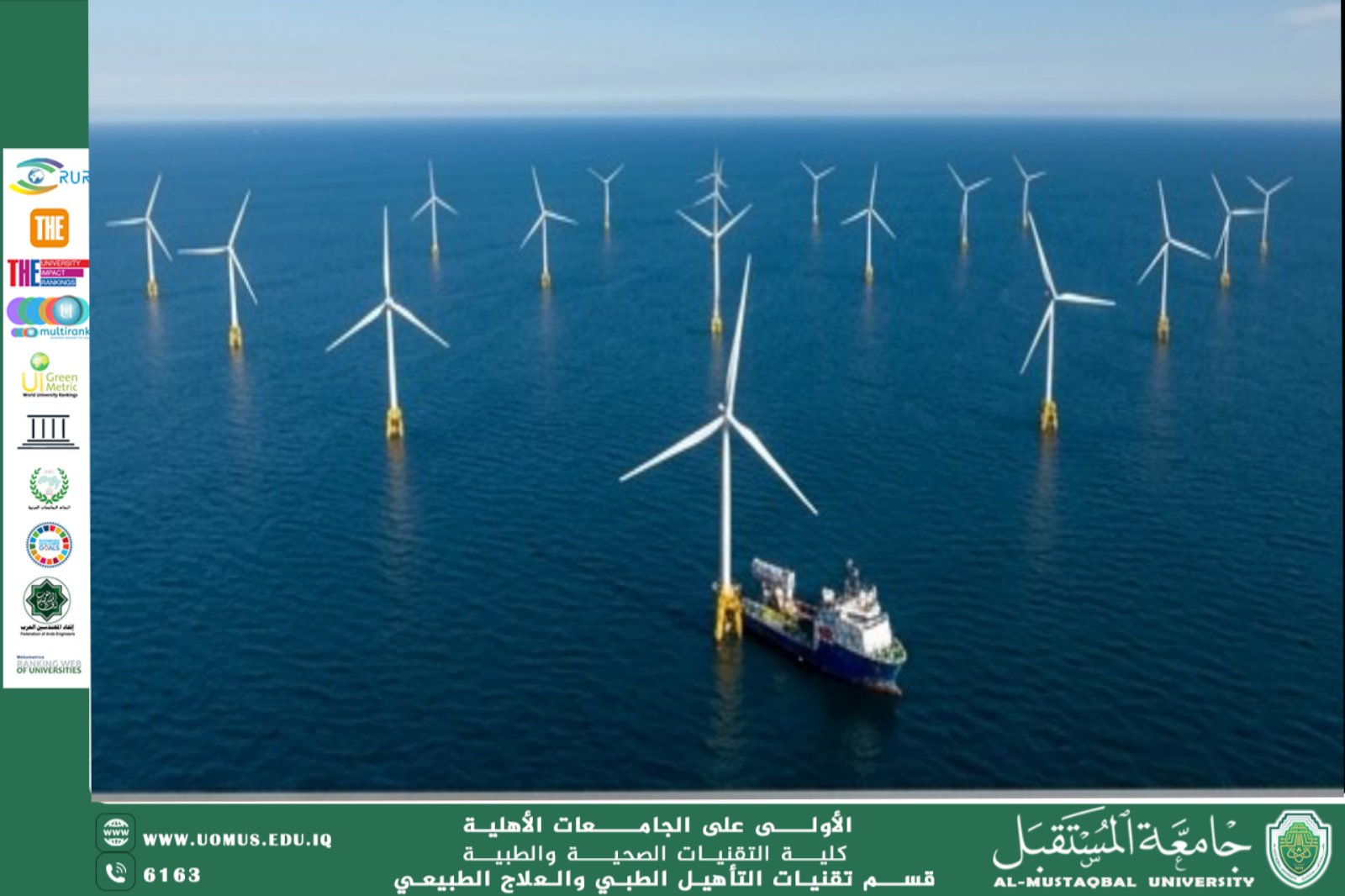
Recent studies indicate that reliance on renewable energy will see a significant rise in the coming decades, driven by technological advancements and decreasing production costs. For example, solar panels have become more efficient and affordable, making them an attractive option for both homes and factories. Meanwhile, wind energy represents a powerful and renewable source that can be widely exploited, especially in coastal and open areas.
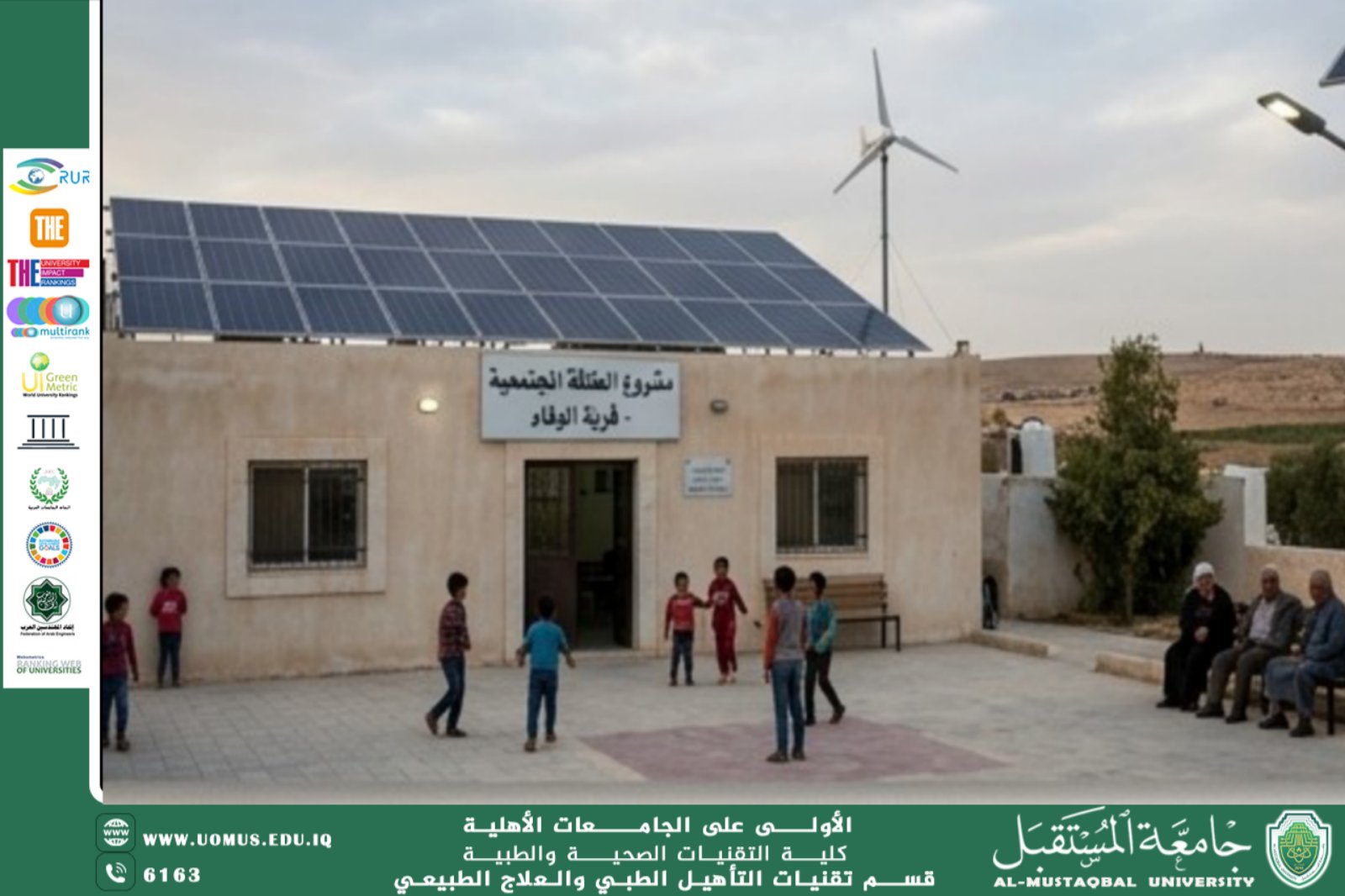
Experts point out that the shift to clean sources is not merely an environmental choice but an economic necessity. Relying on renewable energy reduces countries’ dependence on imported fossil fuels, creates new job opportunities in the clean technology sector, and stimulates innovation in energy and smart storage technologies.
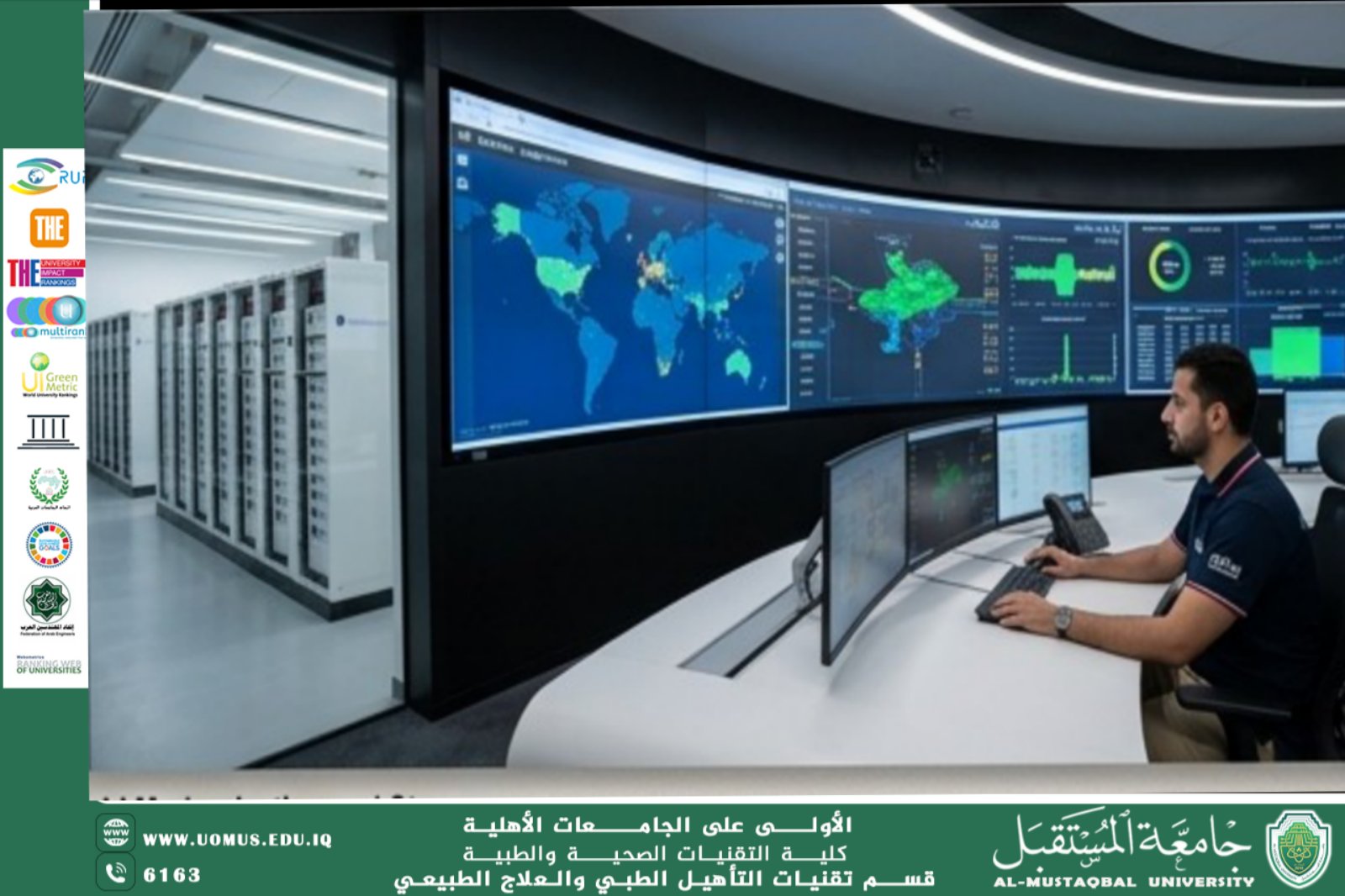
However, this transition faces several challenges, the most prominent being the need to develop smart electricity grids capable of handling the intermittent nature of energy sources, such as variable wind speeds or sunlight intensity. Additionally, expanding the reliance on clean energy requires substantial investments in infrastructure and technical training.
In conclusion, the future of relying on renewable energy is promising, but the success of this transition depends on international cooperation, supportive policies, and societal commitment to environmental awareness. Continuing to develop clean energy sources will not only preserve our planet but also provide a solid foundation for a sustainable economy and a healthier, more prosperous society
Al-Mustaqbal University, the first university in Iraq.