" By: Esrar Samandar "Rawlemon: Aesthetic and Energy Efficiency
Rawlemon technology is considered one of the most prominent contemporary innovations in sustainable design and renewable energy production, representing a unique intersection of science, art, and engineering. This technology was invented by German architect André Broessel, who aimed to rethink solar energy utilization through a non-traditional design approach based on simple yet effective physical principles.
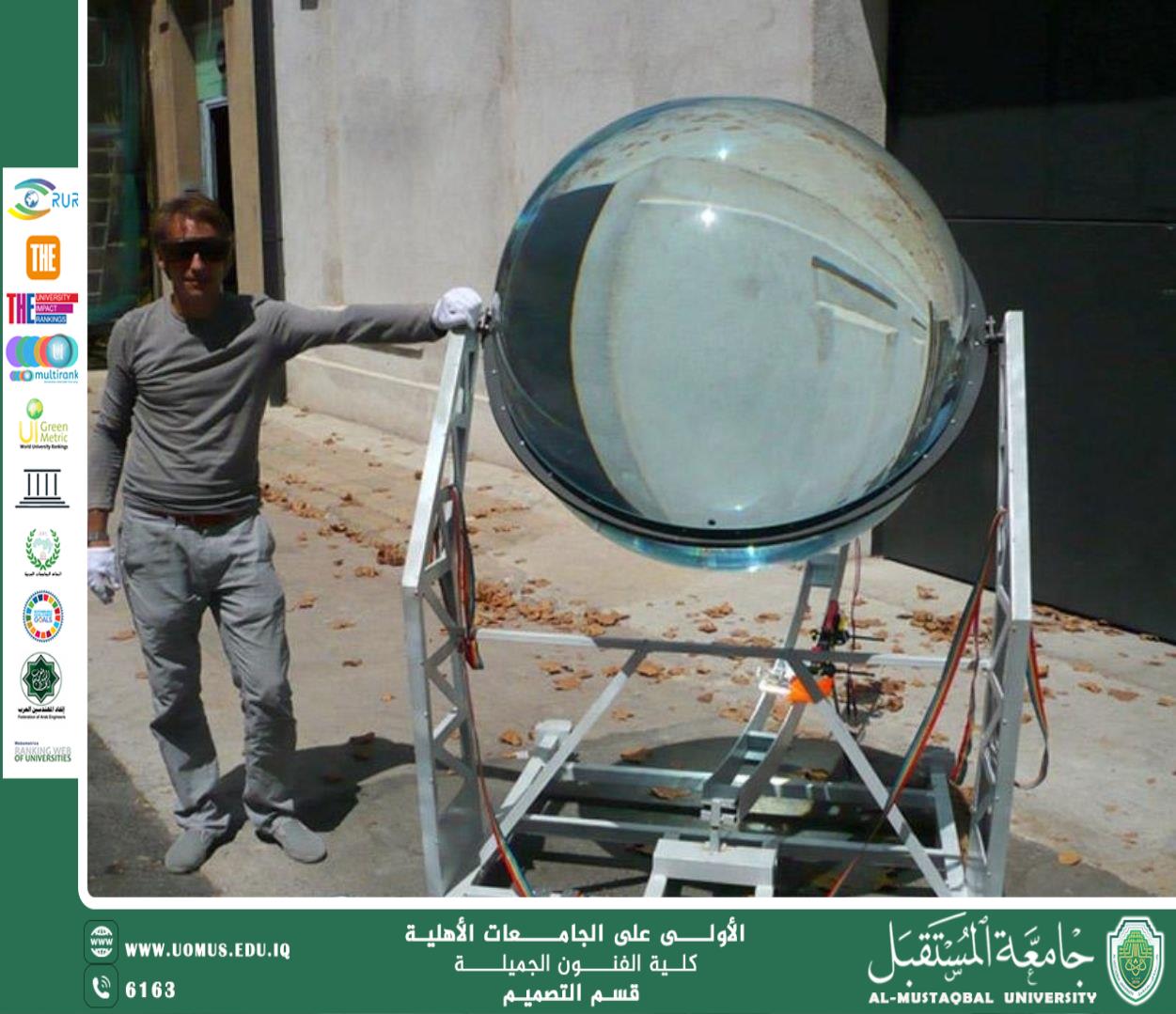
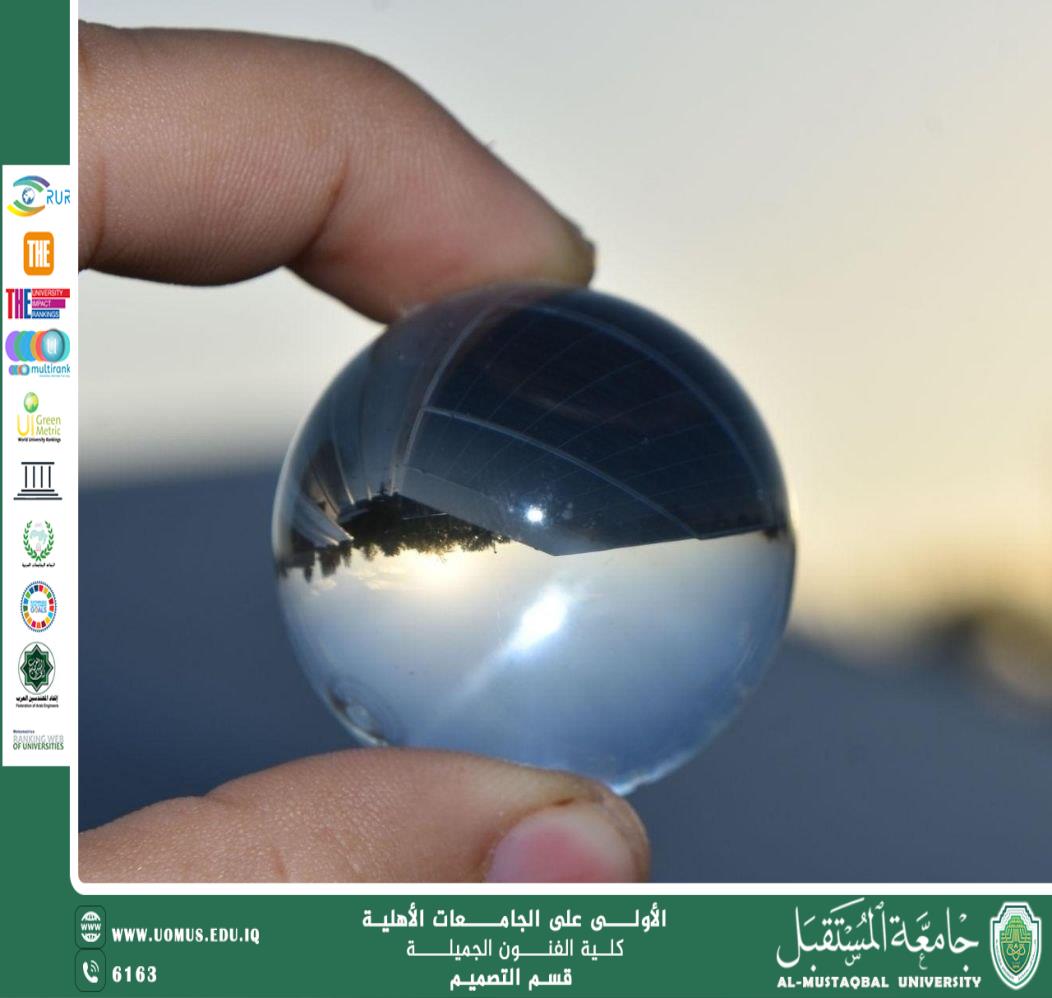
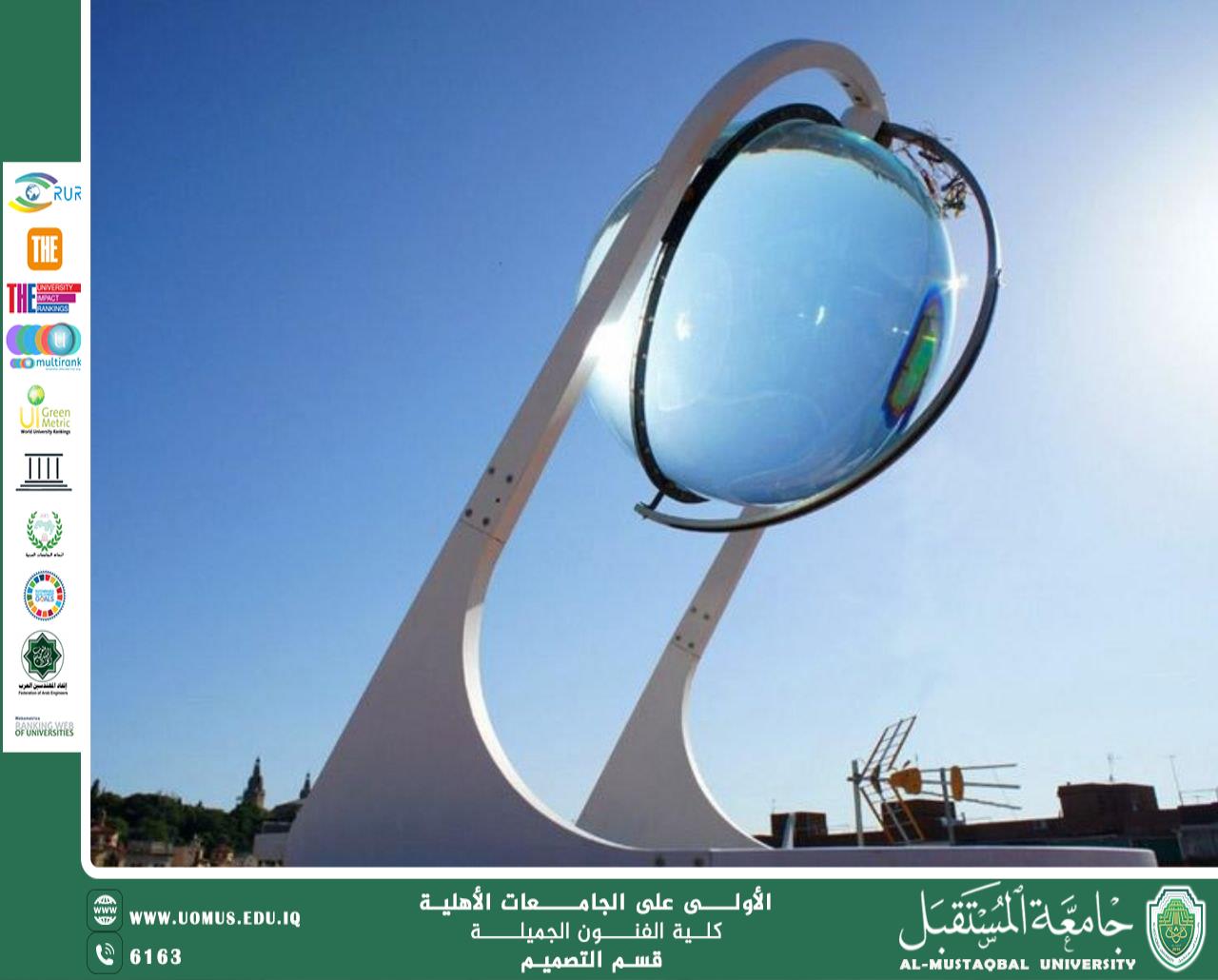
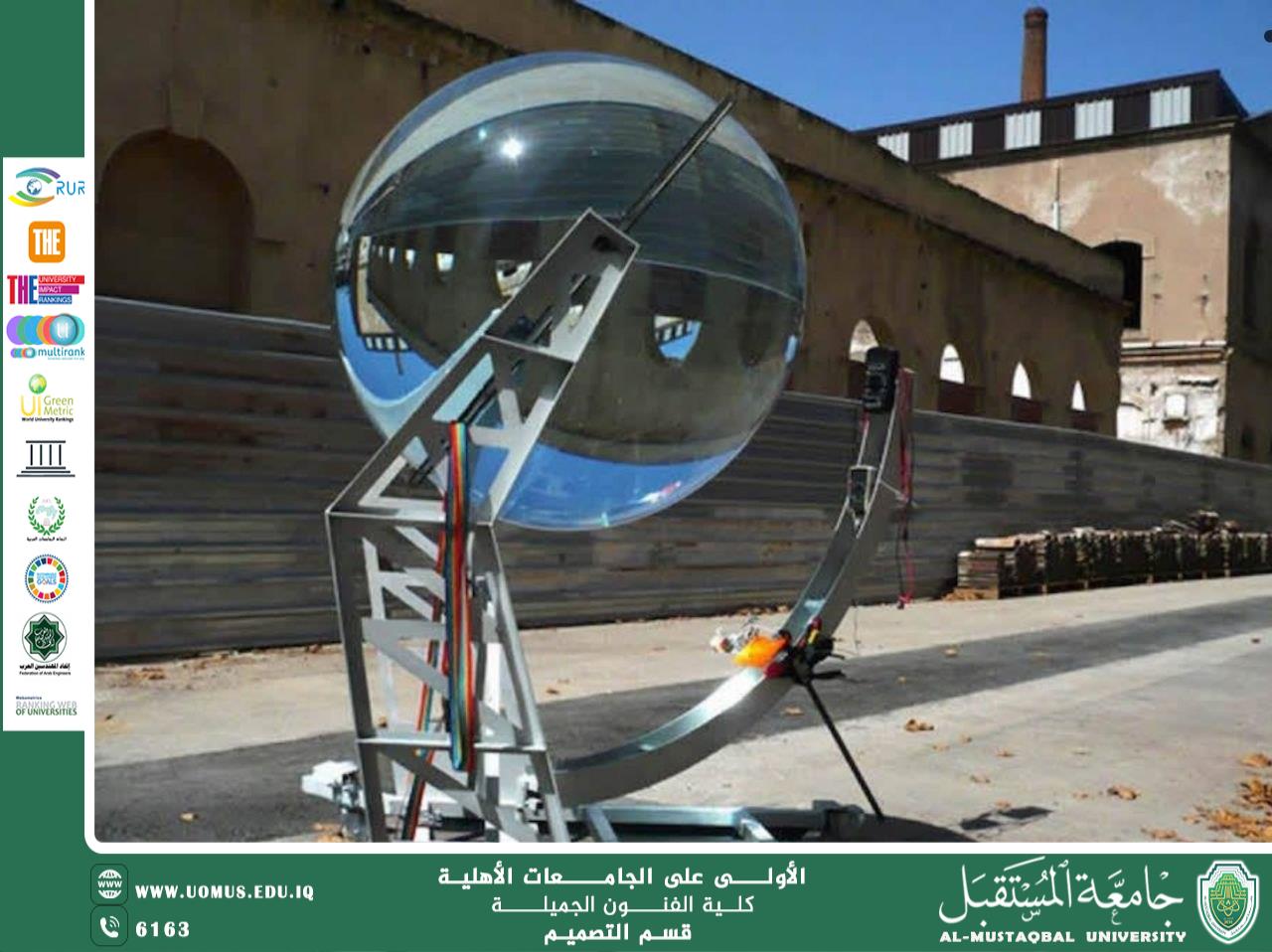
The Rawlemon concept relies on a water-filled glass sphere that acts as a massive spherical lens, focusing sunlight into a single high-intensity point. This concentration can reach thousands of times the intensity of natural solar radiation, allowing for higher efficiency in converting light into electricity. The focused rays are directed toward small yet high-performance solar cells, reducing the need for large surface areas compared to traditional solar panels.
From a design perspective, this technology demonstrates a deep understanding of sustainability principles, as its benefits extend beyond energy production to aesthetic and environmental aspects. The glass sphere gives buildings a contemporary and distinctive appearance, making it an integral part of the architectural composition rather than just a technical addition. It can also be integrated into facades or roofs, promoting the concept of “energy-producing architecture.”
Rawlemon is also notable for its ability to operate under various lighting conditions, including indirect or diffuse light, which enhances its efficiency in urban environments where light scattering may occur. Additionally, the use of water within the sphere reduces heat loss and improves optical refraction, enhancing the overall performance of the system.
In the context of sustainable design, this technology serves as an advanced model for reusing natural elements (such as light and water) in innovative technological solutions. It emphasizes that the future of energy depends not only on technical efficiency but also on the integration of function and beauty.
In conclusion, Rawlemon technology opens new horizons for designers and architects to reshape the relationship between humans and the environment, through solutions that combine creativity and efficiency, pushing toward more sustainable and innovative cities.