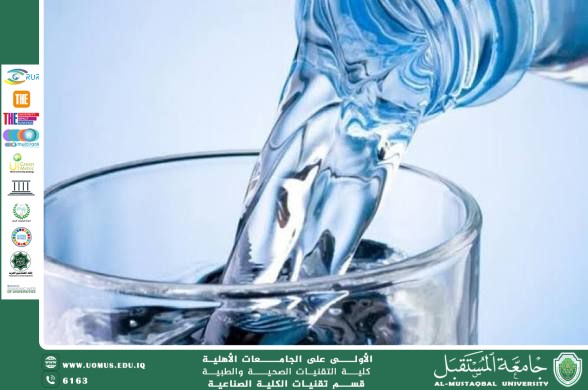


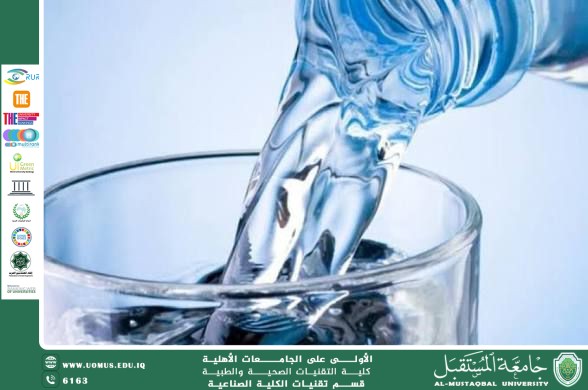
A Scientific Article: The Role of Drinking Water in Protecting Kidney Function During the Summer
Introduction
The kidneys are vital organs responsible for filtering blood and regulating the balance of fluids and electrolytes in the body. During the summer season, rising temperatures lead to increased fluid loss through sweating, which places additional stress on the kidneys to maintain internal balance. Therefore, increasing water intake becomes essential for supporting kidney function and preventing various health problems associated with dehydration.
First: Kidney Functions and Their Relationship with Water
The kidneys play a key role in eliminating waste and toxins from the body, and this process depends directly on the availability of fluids. Water facilitates glomerular filtration and improves blood flow to the kidneys, thereby enhancing their functional efficiency. It also helps maintain electrolyte balance, including sodium and potassium levels in the body.
Second: The Impact of Summer on Kidney Health
During summer, the body loses significant amounts of fluids due to sweating, especially in hot climates. If this loss is not adequately compensated, dehydration may occur, negatively affecting the kidneys in several ways:
Reduced glomerular filtration rate (GFR).
Increased concentration of toxins in the blood.
Higher risk of kidney stone formation due to concentrated salts.
Third: The Importance of Increasing Water Intake in Summer
Increasing water consumption during summer is a physiological necessity rather than merely a healthy habit. Water contributes to:
Improving kidney efficiency in eliminating waste.
Reducing the risk of kidney stone formation by diluting salts.
Maintaining normal blood volume and pressure.
Preventing renal stress caused by fluid deficiency.
Fourth: Health Recommendations for Water Intake
To maintain kidney health during summer, it is recommended to:
• Drink sufficient amounts of water daily (approximately 2–3 liters, depending on physical activity).
• Avoid waiting until feeling thirsty, as it is a late sign of dehydration.
• Increase the intake of water-rich fruits and vegetables.
• Reduce consumption of diuretic beverages such as caffeine.
Conclusion
Increasing water intake during summer is one of the most important preventive measures for maintaining kidney health and enhancing their functional efficiency. Water is not only essential for life but also serves as the first line of defense against dehydration and its complications on the urinary system. Therefore, adopting healthy hydration habits plays a crucial role in preventing kidney diseases and improving overall quality of life.
Prepared by: Ms. Tabarak Ahmed Turki Al-Azzawi
Al-Mustaqbal University The First University in Iraq