

The Importance of Physiotherapy in Improving Quality of Life and Preventing Disabilit
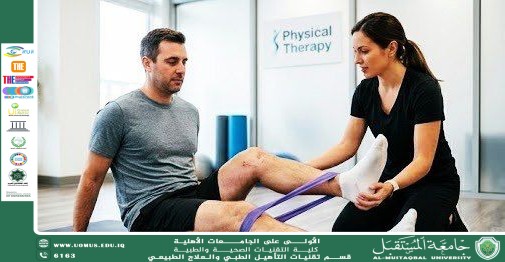
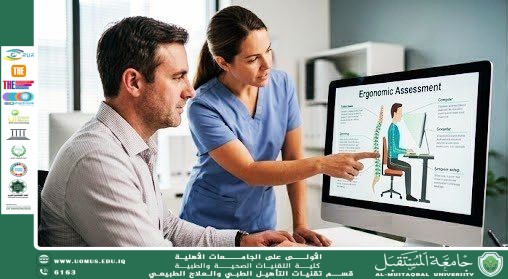
Physiotherapy is considered one of the most significant modern healthcare disciplines, playing a vital role in improving individuals’ quality of life. It is grounded in precise scientific principles aimed at preventing injuries, restoring physical function, and reducing pain without relying heavily on medications. In recent decades, this field has witnessed remarkable development; it is no longer limited to post-injury rehabilitation but has become an essential component in prevention and in enhancing functional performance across all age groups. Physiotherapy relies on a comprehensive assessment of the patient’s physical and functional condition, followed by the development of an integrated treatment plan. This plan typically includes therapeutic exercises, manual therapy, and the use of physical modalities such as electrotherapy and thermotherapy. These approaches contribute to improving the efficiency of the musculoskeletal and nervous systems, enabling patients to regain their ability to perform daily activities independently and effectively. The importance of physiotherapy is particularly evident in its ability to alleviate pain, improve range of motion, and enhance flexibility. It also plays a crucial role in post-operative rehabilitation, recovery from sports injuries, and the management of trauma-related conditions. Moreover, physiotherapy significantly contributes to disability prevention through early intervention and the correction of improper movement patterns, which positively impacts an individual’s overall health and independence. Beyond its therapeutic role, physiotherapy extends into the realm of community education. Physiotherapists actively promote health awareness by encouraging proper physical activity, educating individuals on correct movement techniques, reducing dependence on medications, and supporting the prevention of chronic conditions such as back pain, obesity, and joint diseases. This preventive and educational dimension enhances public health outcomes and fosters a more health-conscious society. Despite its substantial importance, the field of physiotherapy faces several challenges. Among the most prominent are the lack of public awareness regarding its true role, the shortage of specialized professionals in certain regions, and limited institutional support. Addressing these challenges requires strengthening awareness programs, supporting continuous education and professional training, and integrating physiotherapy services into primary healthcare systems. In conclusion, physiotherapy represents a fundamental pillar of modern healthcare systems due to its effective role in prevention, treatment, and rehabilitation. Investment in this field not only improves individual health outcomes but also contributes significantly to enhancing the overall quality of life within society.
Al-Mustaqbal University, the first university in Iraq.