
A Scientific Article Titled Pathophysiology of Hyperpigmentation
Introduction
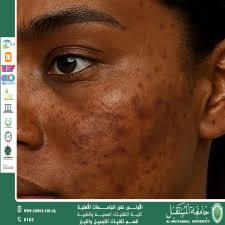
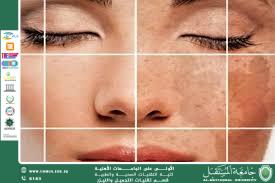
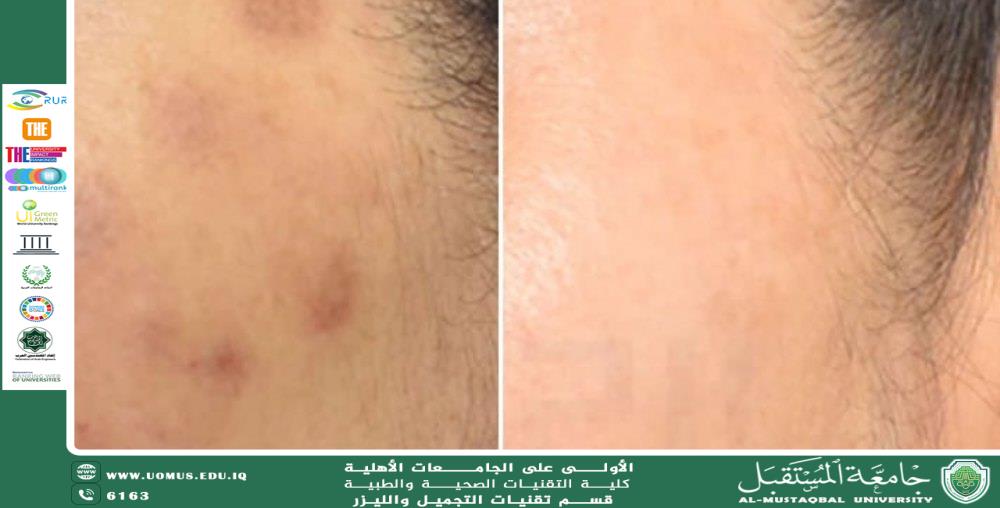
Hyperpigmentation is one of the most common conditions encountered in dermatological and aesthetic practice. It results from a disturbance in the production or distribution of melanin within the skin. This condition represents a clinical challenge due to its multiple causes, varying depths, and different responses to treatment.
Pathophysiology
Melanin is produced within melanocytes located in the basal layer of the epidermis through a series of enzymatic reactions involving the enzyme tyrosinase. Melanin is then transferred to keratinocytes, where it plays a key role in protecting the skin from ultraviolet radiation.
Any disruption in this process can lead to hyperpigmentation, which may occur through:
• Increased activity of melanocytes
• Increased number of melanocytes
• Increased transfer of melanin
• Deposition of melanin in the dermis
Triggering Factors
• Ultraviolet (UV) radiation
• Skin inflammation
• Hormonal factors
• Medications
• Genetic factors
Clinical Classification
• Epidermal pigmentation → responds well to treatment
• Dermal pigmentation → difficult to treat
• Mixed type
Clinical Application
Wood’s lamp is used to determine the depth of pigmentation, which helps in selecting the appropriate treatment, such as:
• Topical creams
• Chemical peels
• Laser therapy
Conclusion
Hyperpigmentation is a multifactorial condition, and understanding its pathophysiology is essential for selecting the appropriate treatment and avoiding complications.
Prepared by: Dr. Hussein Safaa Abdul Amir
Al-Mustaqbal University – The First University in Iraq