Artificial Rainmaking and Water Scarcity in Iraq
Artificial rainmaking is a climate technology that mimics direct drought by dispersing chemicals such as silver iodide or salt from aircraft or across the desert to stimulate water vapor condensation. This technology is used in many countries worldwide for promotional purposes, combating drought and desertification, and mitigating heat.
The rainmaking process is carried out in several ways, including mitigating drought by dispersing chemicals (silver iodide, carbon dioxide chloride, dried carbon dioxide, or dry ice) over arid areas. Another method involves creating a droplet that allows these chemicals to collect and condense water vapor, leading to a rapid flow of these constituents. This creates powerful cloud-forming agents that carry the precipitation, resulting in rainfall or snowfall.
There are several methods for this technology, including:
1. Aerial Method: Using aircraft or landing platforms to spray the materials from storage. This is the most common and effective method.
2. Ground-Based Method: Using ground-based generators to vaporize and disperse the materials into the atmosphere. This technology offers a range of benefits, including increased drinking and irrigation water, augmenting water resources in arid and semi-arid regions, effectively combating desertification, expanding green spaces, and improving environmental control. It also helps mitigate the effects of global warming and boosts energy production by increasing water levels in hydroelectric dams. Furthermore, it reduces pollution and purifies the air.
However, this technology has several drawbacks, most notably its inability to control rainfall and the risk of unpredictable heavy downpours that can lead to flash floods. It can also be completely free of toxic chemicals used in rainmaking. Additionally, the technology requires advanced materials and is not universally effective. Finally, its effectiveness is limited in the absence of clouds, as rain does not occur spontaneously.
The leading countries in this field are the United States and Russia, which were pioneers in this area, in addition to China. Regionally, the United Arab Emirates and Morocco are among the most prominent countries that have expanded their use of this technology and achieved significant positive results, clearly reflected in the water, agricultural, environmental, and climatic sectors.
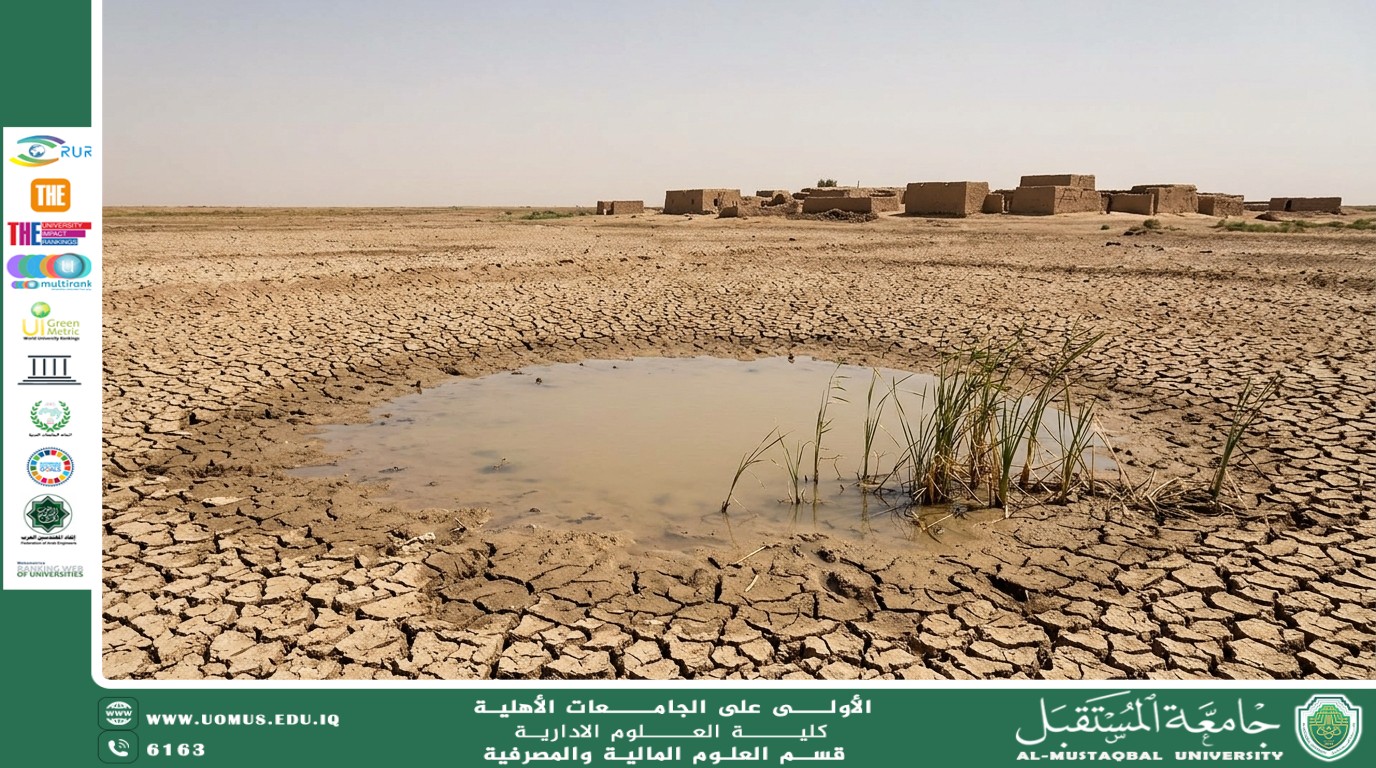
Iraq is considered a regional leader in this field. This technology was employed to increase rainfall on agricultural lands during the growing season in areas dependent on rain-fed irrigation, specifically in the governorates of Kirkuk, Mosul, and parts of Salah al-Din Governorate in the 1990s, using ammonium nitrate. However, its use was limited due to the abundance of water from rainfall and rivers. It ceased entirely after the 2003 invasion of Iraq, and all previous experiments were abandoned, with the equipment used being lost due to the circumstances at the time. Today, since 2022, Iraqi governments have been trying to assess the feasibility of the technology, with tentative and insufficient communication with German and Australian companies specializing in cloud seeding. Planning for engineering and technical cooperation in this field has begun, but the project has not yet entered the field application phase, despite Iraq's financial and material capabilities that qualify it to reactivate the use of this technology. Furthermore, Iraq urgently needs to create new water sources due to the drought it has experienced in recent years. This places a responsibility on the relevant authorities to accomplish this as soon as possible to provide water security, which is linked to the country's food security and is a fundamental pillar of national security in general. This is especially important given that Iraq possesses vast agricultural lands that require more water to yield the bounty that its people deserve and are in dire need of, particularly in light of the significant loss of water from the Tigris and Euphrates rivers by upstream countries. This loss is necessary to meet the needs of the growing population and to seek assistance from regional countries that have achieved a high level of success in using artificial cloud seeding, such as the UAE.