
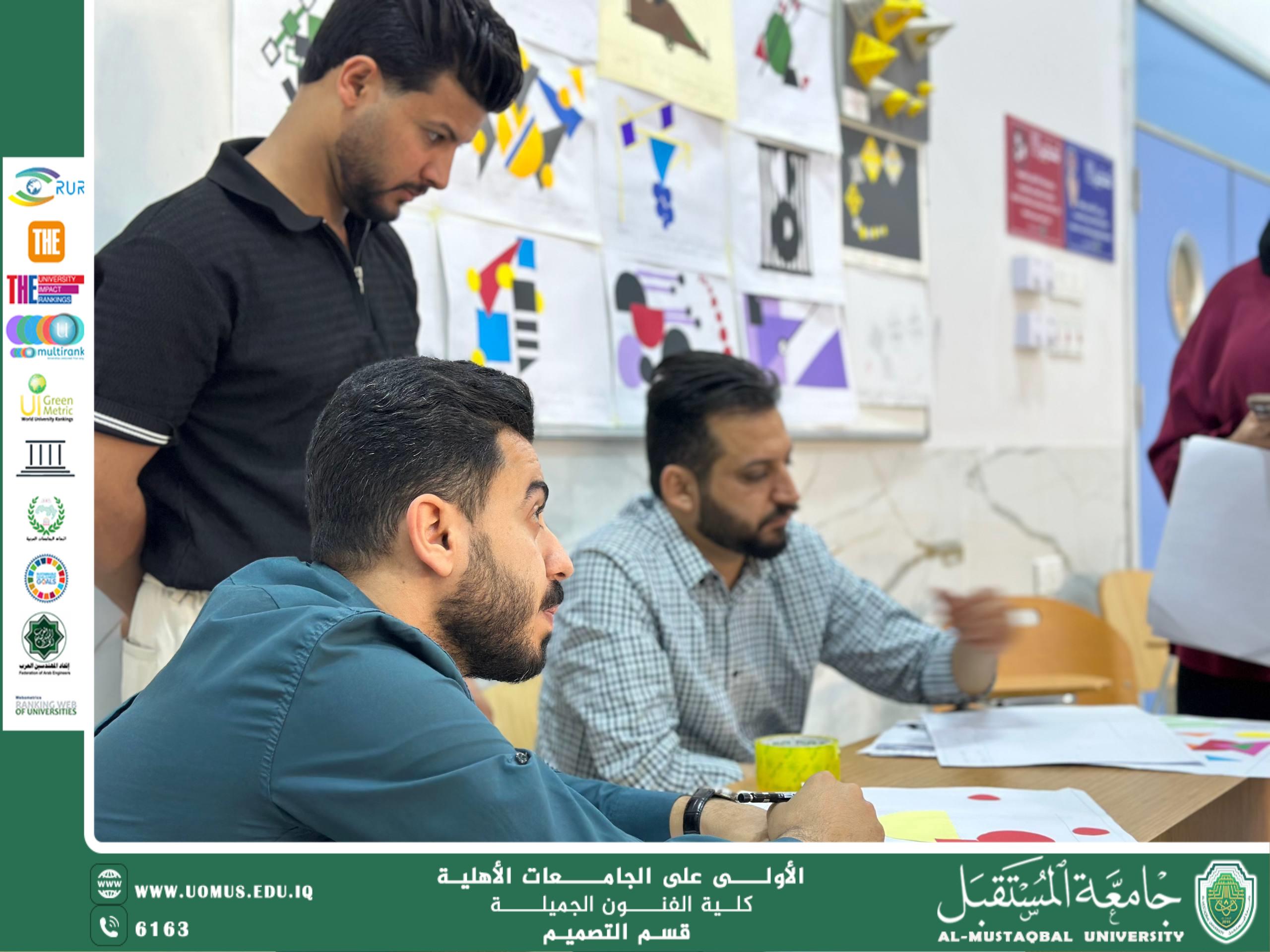
Reviving Architectural Heritage in Contemporary Interior Design
In an era of globalization—where cities increasingly resemble one another—there is a growing need to restore cultural identity through interior design. The concept of contemporary authenticity emerges as a design approach that seeks to reinterpret the philosophical and aesthetic values of heritage in a modern context, rather than merely replicating the past.
For instance, instead of using traditional wooden mashrabiyas, designers can adopt modern techniques such as laser-cut metal panels featuring Islamic geometric patterns. These elements maintain privacy while allowing natural light to filter through in a contemporary way.
The use of local materials also plays a crucial role in reinforcing a sense of place. Incorporating materials such as treated clay or regionally sourced stone helps connect the interior space to its geographical and cultural context.
This approach further embraces the concept of storytelling in design, where furniture, textures, and decorative elements become narrative tools that reflect the history and identity of a community, adding depth and meaning to the space.
One of the main challenges lies in balancing modern functionality—including HVAC systems and smart technologies—with traditional aesthetics, which are often intricate and detail-oriented.
Reviving architectural heritage also contributes to cultural sustainability, by preserving traditional crafts and integrating them into contemporary projects, ensuring their continuity.
In conclusion, a designer with a deep understanding of cultural roots is better equipped to create globally relevant designs that carry a unique and authentic identity—one that cannot be replicated.