
The Role of Textiles and Materials in Enhancing Acoustic and Thermal Insulation
Textiles are often perceived as a decorative complement in interior design; however, they actually function as the “second skin” of a building, actively regulating its internal acoustic and thermal environment.
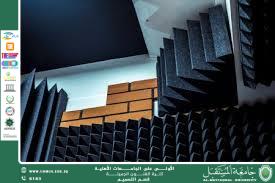
Acoustically, the article explains that porous materials such as wool and felt act as effective sound absorbers, reducing echo in open spaces and ensuring higher levels of acoustic privacy—an essential requirement in the design of offices, halls, and restaurants.
Thermally, heavy curtains and padded fabrics serve as additional insulating layers for windows. They help reduce heat loss during winter and limit heat gain in summer, thereby decreasing heating and cooling loads by up to 20%.
The article also highlights the rise of smart textiles, which are capable of advanced functions such as odor absorption, color change in response to temperature variations, and nano-treated fabrics that resist dust and bacteria—making them particularly suitable for healthcare environments.
Furthermore, it addresses the tactile dimension of materials, where the contrast between soft and rough textures enriches the sensory experience of users and even influences thermal perception; for instance, carpeted rooms are often perceived as warmer than tiled ones, even at the same temperature.
From an academic perspective, material selection is based on precise scientific parameters such as the sound absorption coefficient and other physical properties, rather than purely aesthetic considerations like color or pattern. This positions textiles as highly functional engineering components within interior design.