"Carpal Tunnel Syndrome: Diagnosis, Treatment, and Prevention" By Dr. Zaid Saad Abdul Madi
Carpal tunnel syndrome (CTS) is one of the most commor peripheral nerve disorders worldwide, affecting millions across diverse age groups and professions. Characterized by compression of the median nerve as it passes through the wrist, CTS can significantly impair hand function, productivity, and quality of life if left unaddressed. Advances in diagnostic imaging, minimally invasive surgery, and ergonomic science have transformed its management, making early recognition and evidence-based intervention more critical than ever.
Anatomy & Pathophysiology
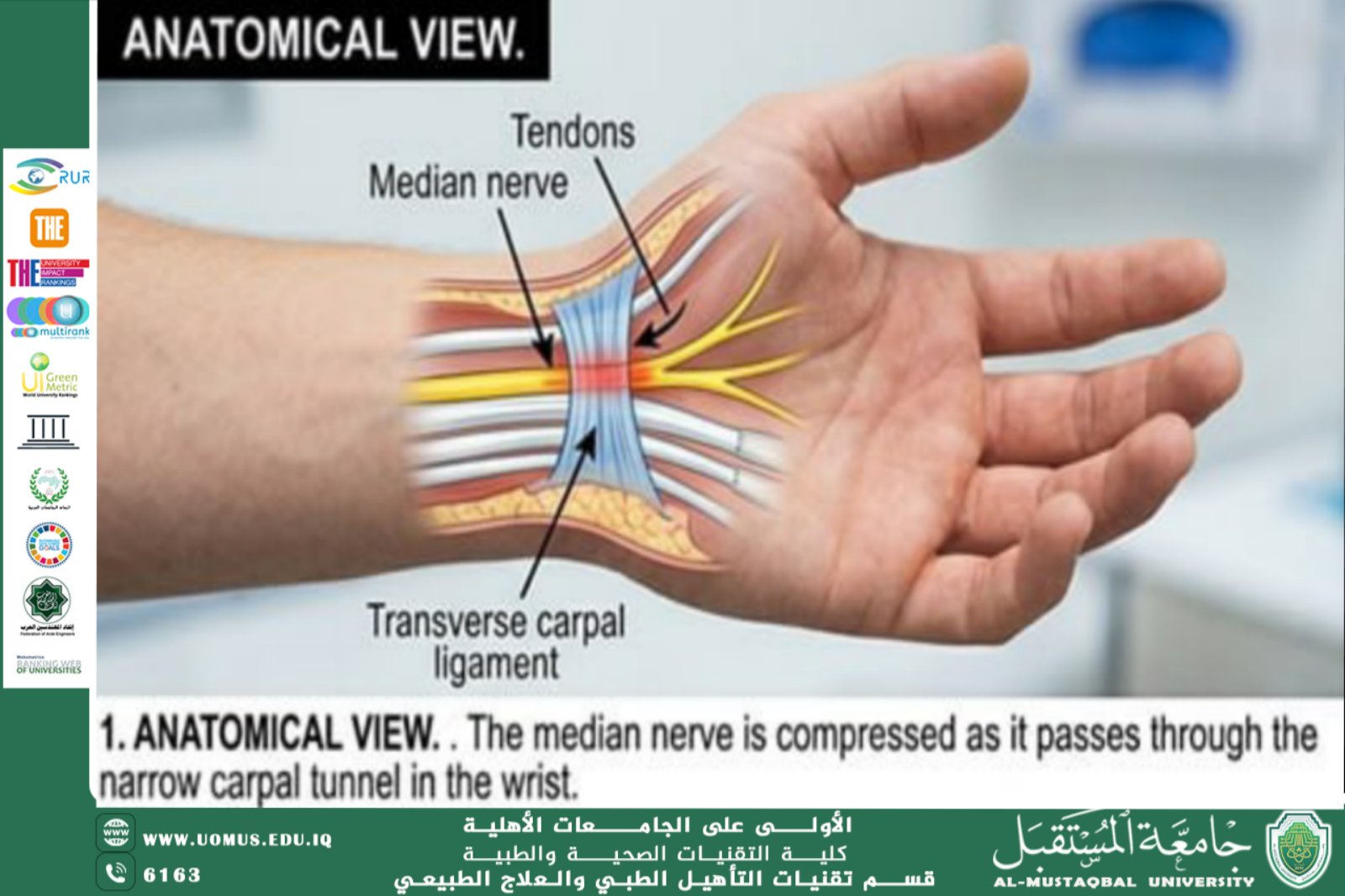
The carpal tunnel is a narrow, rigid passageway at the base of the palm, bounded by the carpal bones and the transverse carpal ligament. The median nerve, responsible for sensation in the thumb, index, middle, and radial half of the ring finger, along with motor innervation to the thenar muscles, traverses this tunnel alongside nine flexor tendons. Increased intracarpal pressure—triggered by tendon swelling, anatomical variations, systemic inflammation, or repetitive stress—compresses the median nerve, leading to microvascular ischemia, demyelination, and, in advanced stages, axonal degeneration.
Symptoms & Red Flags
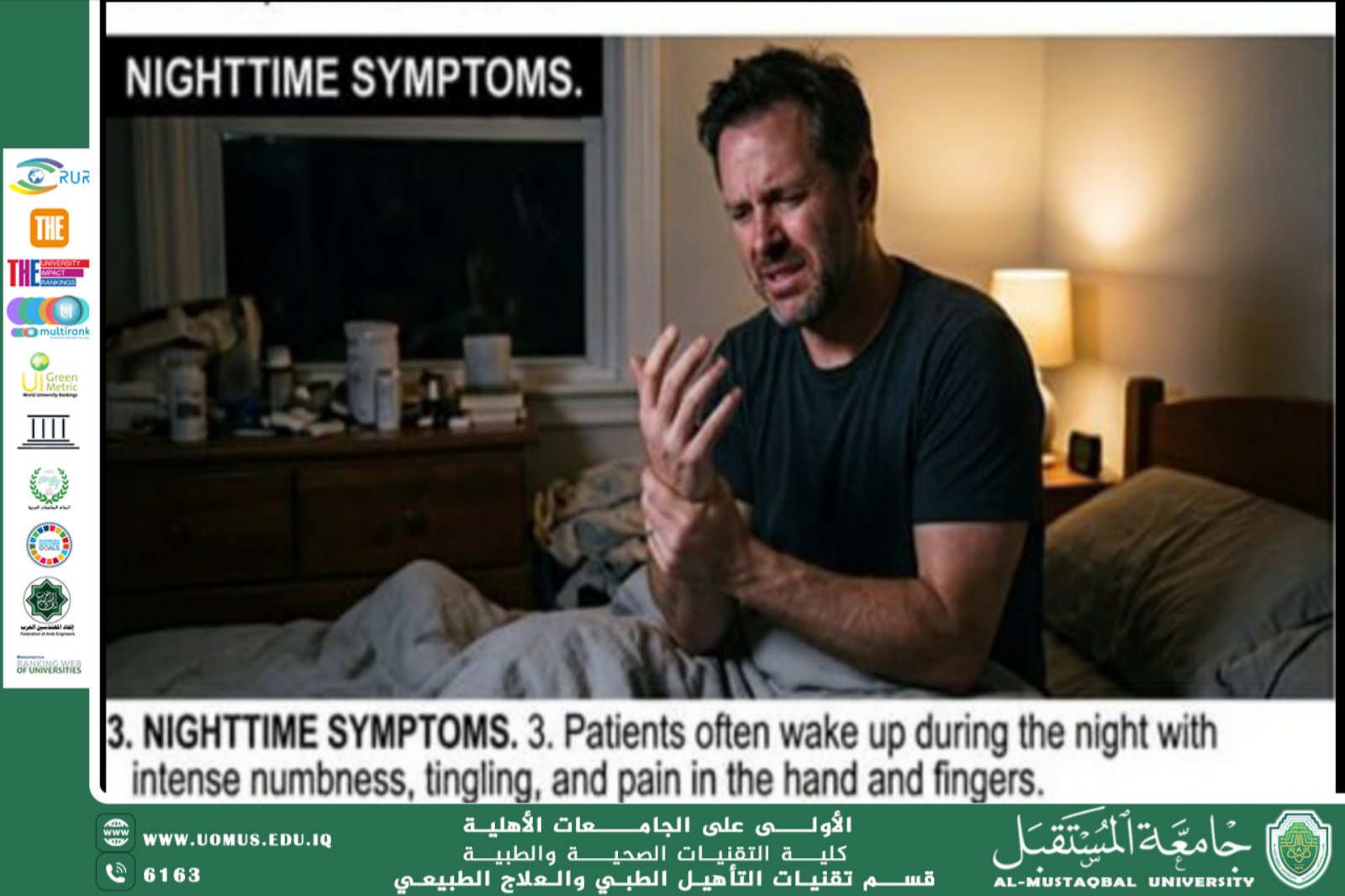
Early manifestations typically include intermittent tingling, numbness, or a "pins-and-needles" sensation in the median nerve distribution. Symptoms frequently worsen at night, upon waking, or during sustained gripping activities. As the condition progresses, patients may report hand clumsiness, weakened grip strength, frequent dropping of objects, and fatigue during fine motor tasks. Persistent numbness, loss of tactile discrimination, or visible thenar muscle atrophy are clinical red flags that warrant prompt evaluation to prevent irreversible nerve damage.
Diagnosis
Diagnosis begins with a detailed clinical history and focused physical examination. Provocative maneuvers such as Phalen’s test and Tinel’s sign provide initial screening value. Nerve conduction studies (NCS) and electromyography (EMG) remain the gold standard for confirming median neuropathy, localizing the site of compression, and grading severity. High-resolution musculoskeletal ultrasound has become a valuable non-invasive adjunct, enabling real-time assessment of nerve cross-sectional area, ligament thickness, and dynamic compression. MRI is reserved for atypical presentations or suspected space-occupying lesions.
Treatment Strategies
Management is stratified by symptom severity and functional impact:
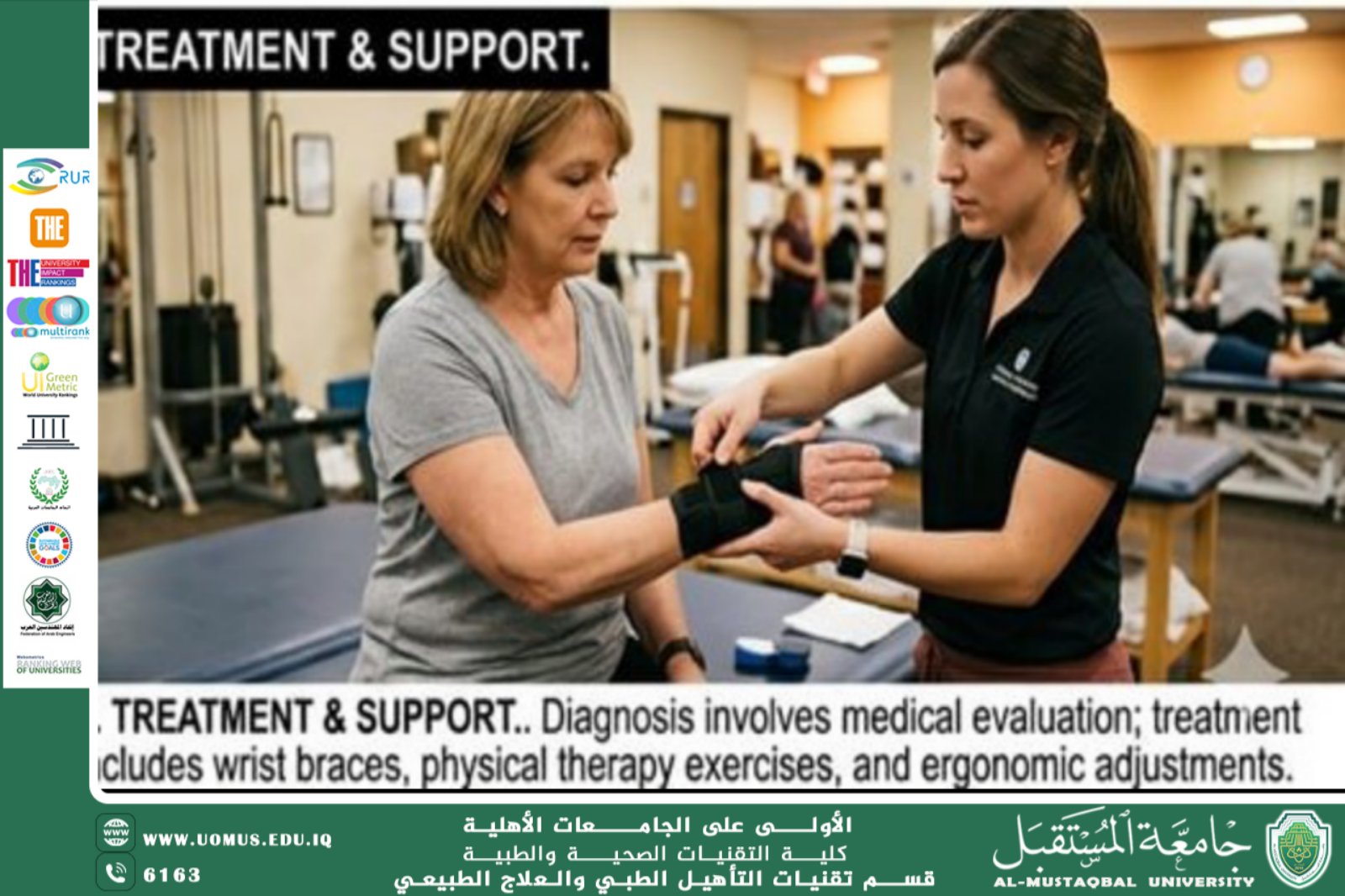
• Conservative Care (Mild–Moderate): Nocturnal wrist splinting in a neutral position, activity modification, ergonomic adjustments, and short-term NSAIDs. Ultrasound-guided corticosteroid injections offer targeted anti-inflammatory relief and can delay or avoid surgery in many cases.
• Rehabilitation: Hand therapy focusing on nerve gliding exercises, tendon mobility, and strengthening of intrinsic hand muscles improves symptom control and functional recovery.
• Surgical Intervention (Severe/Refractory): Carpal tunnel release (open or endoscopic) remains the definitive treatment for advanced or unresponsive cases. Modern techniques emphasize precision ligament division, minimal tissue trauma, and accelerated rehabilitation, with success rates exceeding 90% in appropriately selected patients.
Prevention & Ergonomic Best Practices
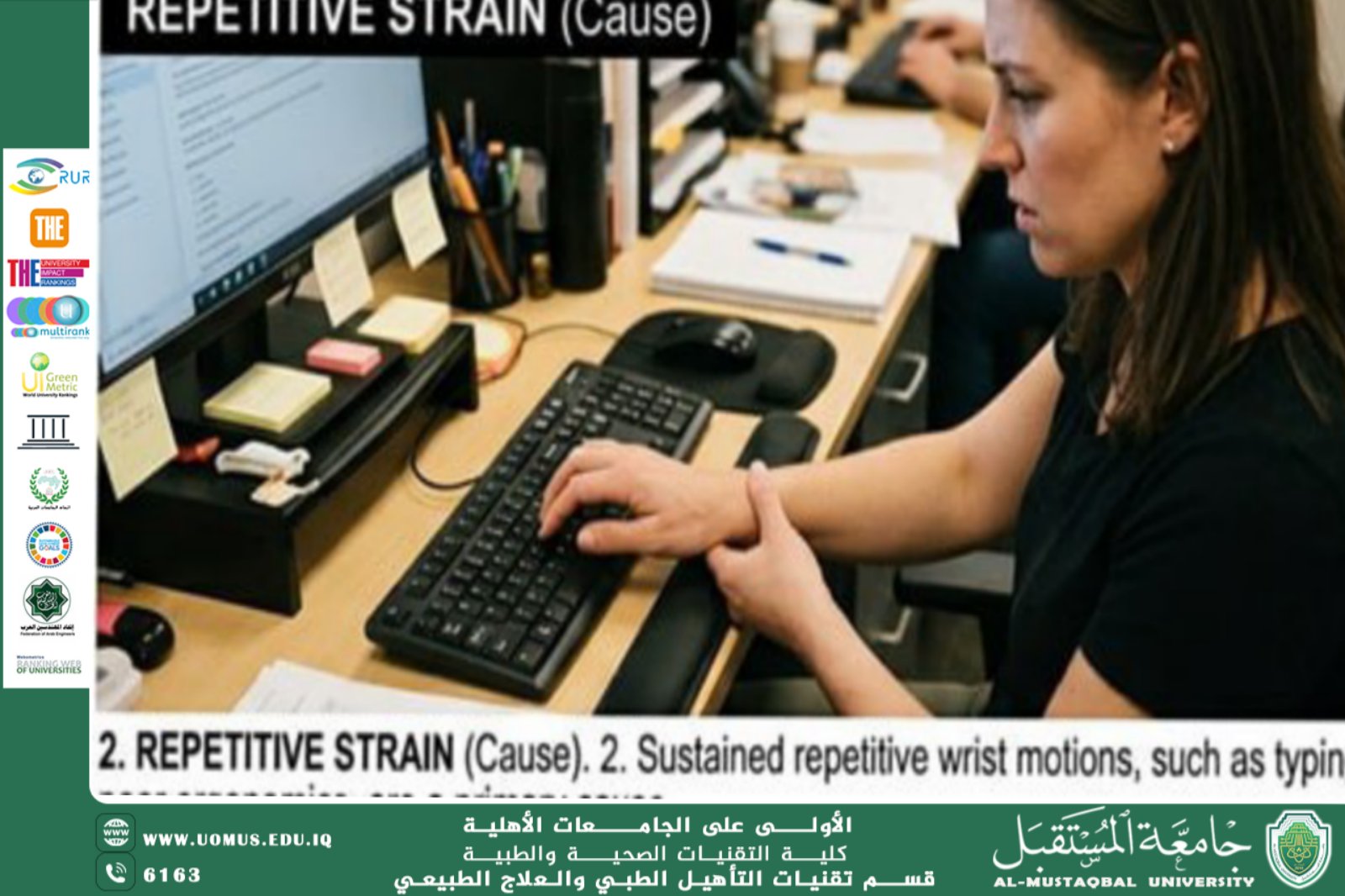
While genetic and systemic risk factors cannot be fully eliminated, occupational and lifestyle modifications significantly reduce incidence. Key strategies include maintaining neutral wrist alignment during repetitive tasks, utilizing ergonomic peripherals, incorporating micro-breaks with stretching routines, and managing comorbidities such as diabetes, hypothyroidism, or rheumatoid arthritis. Early symptom recognition combined with prompt ergonomic intervention can halt disease progression before structural nerve damage occurs.
Carpal tunnel syndrome is a highly treatable condition when identified early and managed through a multidisciplinary, patient-centered approach. Integrating accurate diagnostic modalities, stepwise conservative therapy, and timely surgical decompression ensures optimal functional outcomes. As clinical guidelines continue to refine diagnostic thresholds and surgical techniques, proactive ergonomics and patient education remain the foundation of long-term hand health and occupational sustainability.
________________________________________
Medical Disclaimer: This article is intended for educational purposes only and does not constitute medical advice, diagnosis, or treatment. Always consult a licensed healthcare professional for personalized evaluation and management.
Al-Mustaqbal University, the first university in Iraq.