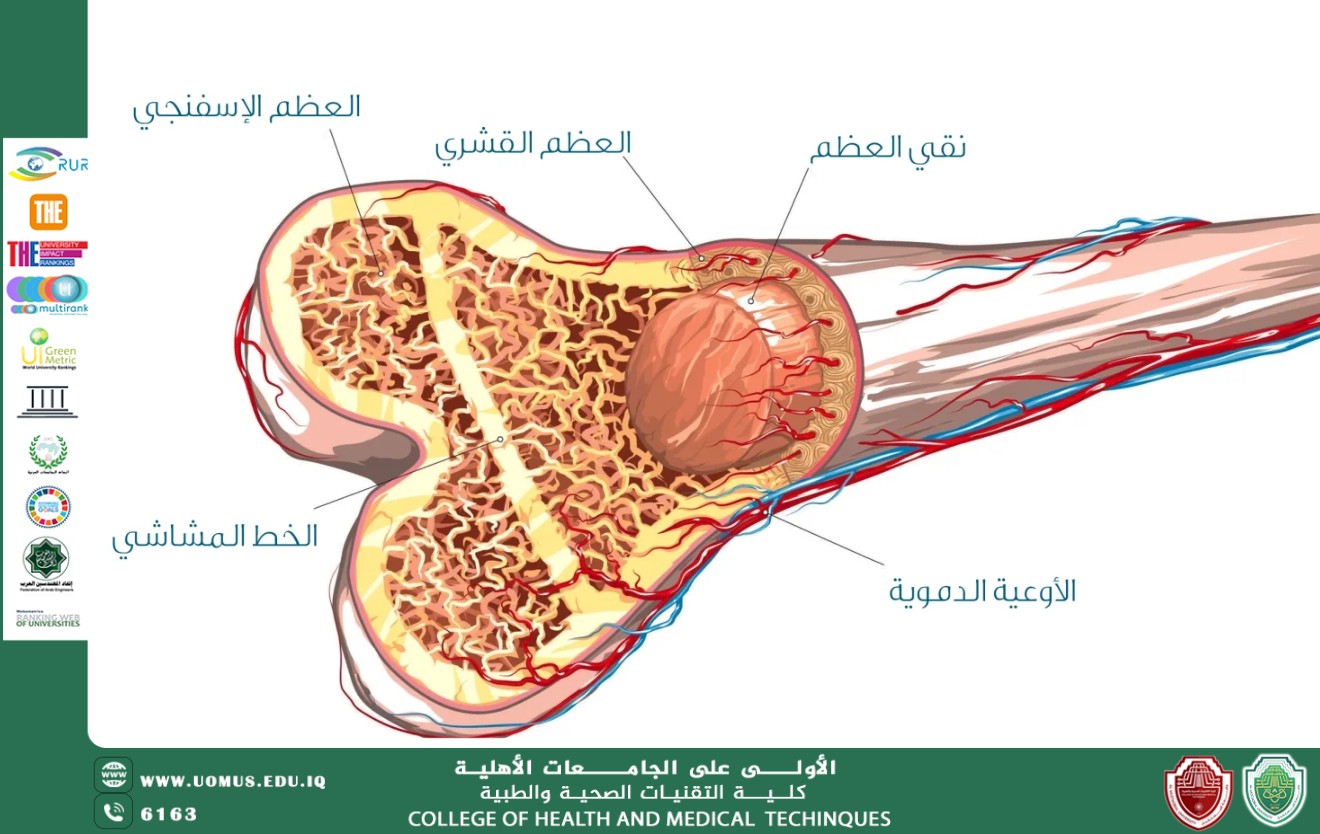


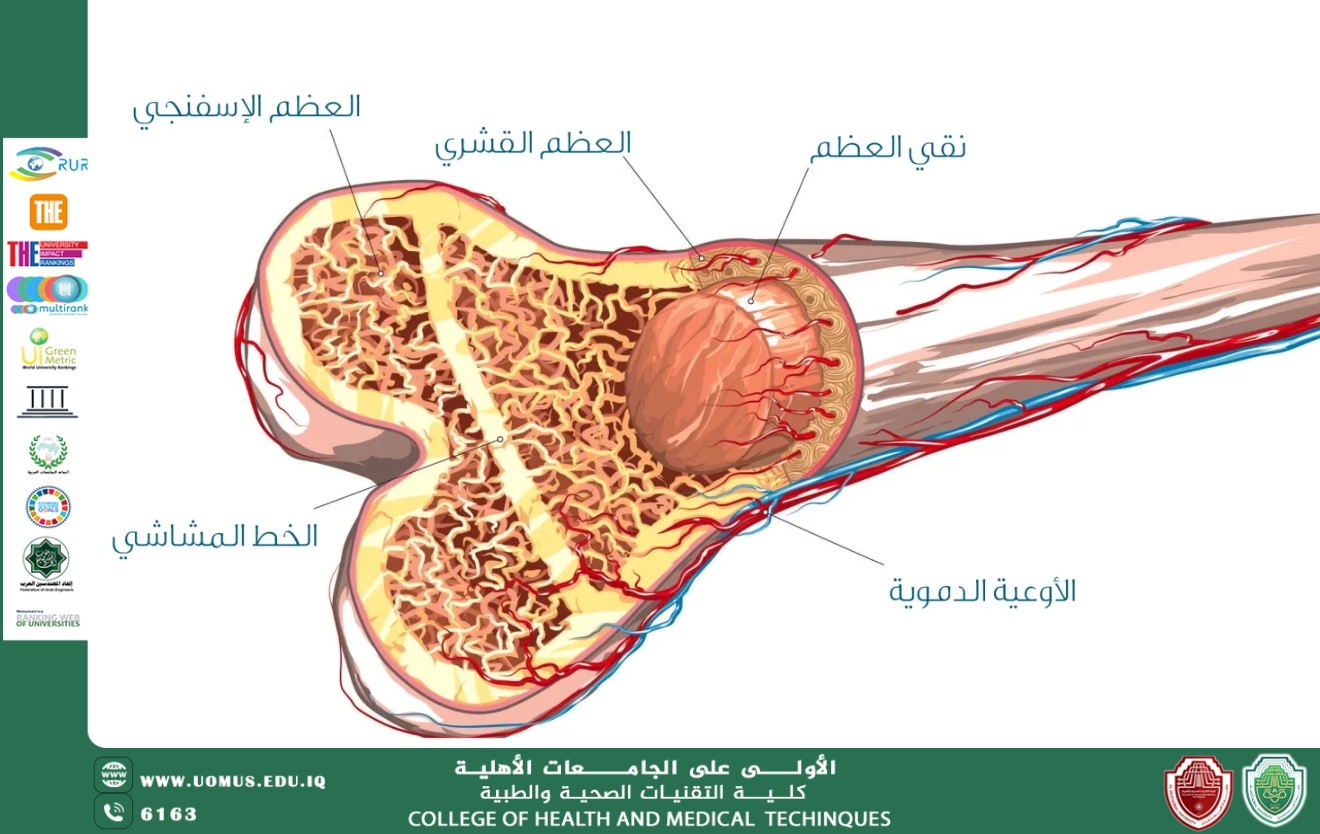
An article titled Secondary Bone Marrow Involvement
Dr. Athmar Mohammed Redha
Introduction
Bone marrow plays a critical role in hematopoiesis and immune regulation. Secondary involvement of the bone marrow occurs when malignant cells from a primary site metastasize or spread to the marrow microenvironment. This phenomenon is most commonly seen in hematological malignancies such as lymphomas and leukemias, as well as in solid tumors like breast cancer, prostate cancer, and neuroblastoma.
Pathophysiology
Secondary bone marrow infiltration occurs through several mechanisms:
• Hematogenous spread: Tumor cells disseminate via the bloodstream and lodge in marrow sinusoids.
• Microenvironment interaction: Tumor cells interact with stromal cells, cytokines, and growth factors, facilitating survival and proliferation.
• Immune evasion: Malignant cells evade immune surveillance within the marrow niche.
The result is disruption of normal hematopoiesis, leading to cytopenias.
Etiology and Common Malignancies
Hematological Malignancies
• Non-Hodgkin lymphoma (NHL)
• Hodgkin lymphoma
• Leukemias
Solid Tumors
• Breast carcinoma
• Prostate carcinoma
• Lung carcinoma
• Neuroblastoma (common in children)
Clinical Features
Patients with secondary bone marrow involvement may present with:
• Anemia: Fatigue, pallor
• Leukopenia: Recurrent infections
• Thrombocytopenia: Bleeding, petechiae
• Bone pain (occasionally)
• Constitutional symptoms: fever, weight loss, night sweats
Diagnostic Evaluation
Bone Marrow Aspiration and Biopsy
• Gold standard for diagnosis
• Allows morphological assessment and cellularity evaluation
Immunohistochemistry (IHC)
• Identifies tumor origin (e.g., CD20 for B-cell lymphoma, cytokeratin for carcinoma)
Flow Cytometry
• Useful in hematological malignancies
Molecular Studies
• Detect genetic mutations and clonality
Imaging
• PET-CT and MRI help detect systemic involvement
Histopathological Patterns
Bone marrow infiltration may appear as:
• Diffuse pattern
• Focal/nodular pattern
• Interstitial pattern
• Paratrabecular pattern (common in lymphoma)
Prognostic Significance
• Indicates advanced disease stage (Stage IV in many cancers)
• Associated with poorer prognosis
• Influences therapeutic decisions such as need for systemic chemotherapy
Management
Treatment depends on the underlying malignancy:
• Chemotherapy (primary modality)
• Targeted therapy (e.g., monoclonal antibodies)
• Radiotherapy (in selected cases)
• Bone marrow transplant (in certain hematologic cancers)
Supportive care includes:
• Blood transfusions
• Growth factors (e.g., G-CSF)
• Infection management
Conclusion
Secondary bone marrow involvement is a critical indicator of disease progression in both hematologic and solid malignancies. Early detection through bone marrow biopsy and advanced diagnostic techniques is essential for appropriate staging and management. Advances in molecular diagnostics and targeted therapies continue to improve patient outcomes despite the traditionally poor prognosis associated with marrow involvement
References (Vancouver Style)
1-Shi YF, Li XH, Song YQ. Involvement of bone marrow in lymphoma: pathological investigation. Int J Clin Exp Pathol. 2015.
2-Sudalaimuthu M, Basu D. Bone marrow infiltration in Hodgkin lymphoma. Turk Patoloji Derg. 2017.
3-Martin-Moro F, et al. Evaluation strategies of bone marrow infiltration in lymphoma. Diagnostics. 2024.
4-Suhail M, et al. Bone marrow infiltration in non-Hodgkin lymphoma. J Pak Med Assoc. 2023.
5-Hassan J, Hassan K. Pattern of bone marrow infiltration in NHL. J Rawalpindi Med Coll. 2008.
6-Iqbal H, et al. Pathologic spectrum of bone marrow involvement in aggressive lymphomas. Am J Clin Pathol. 2021.