Can the Brain Trick the Eye? (Optical Illusions)
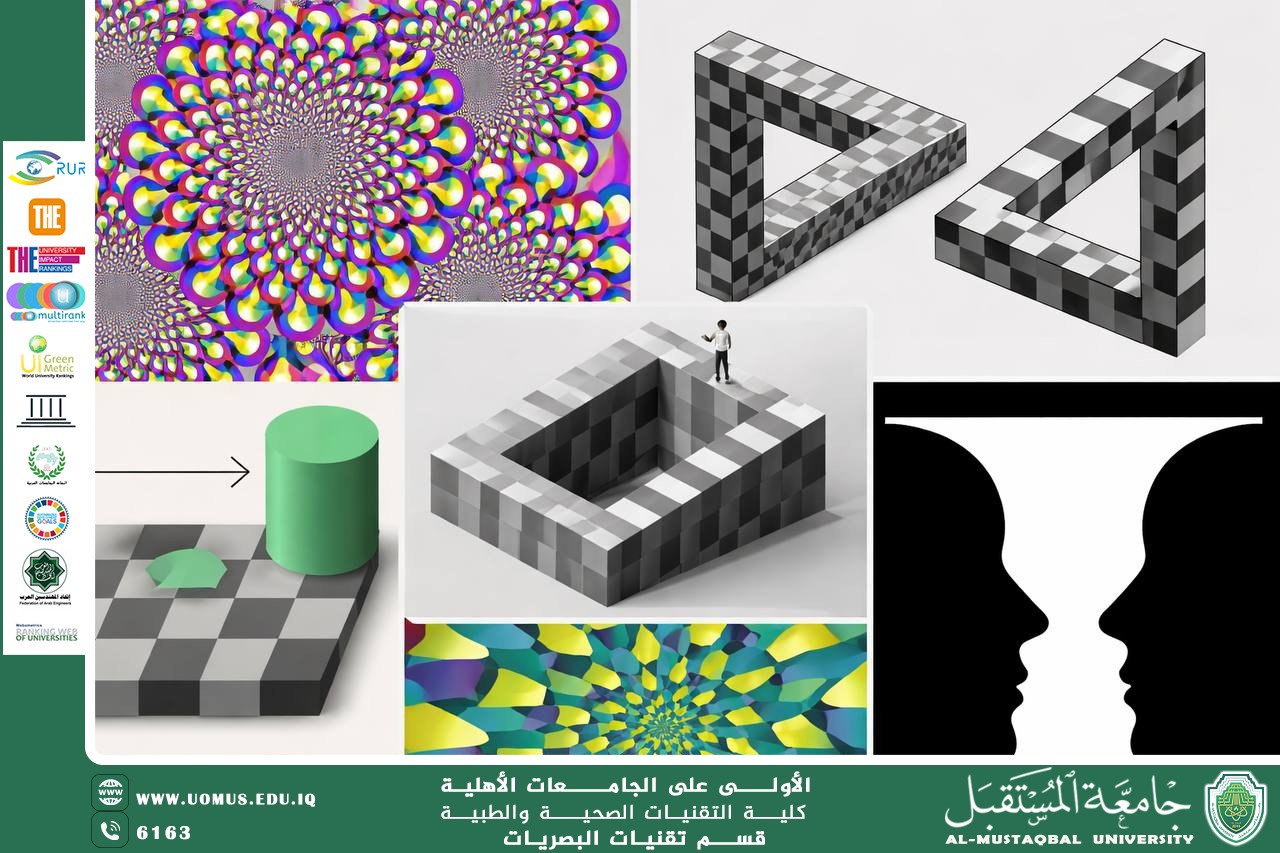
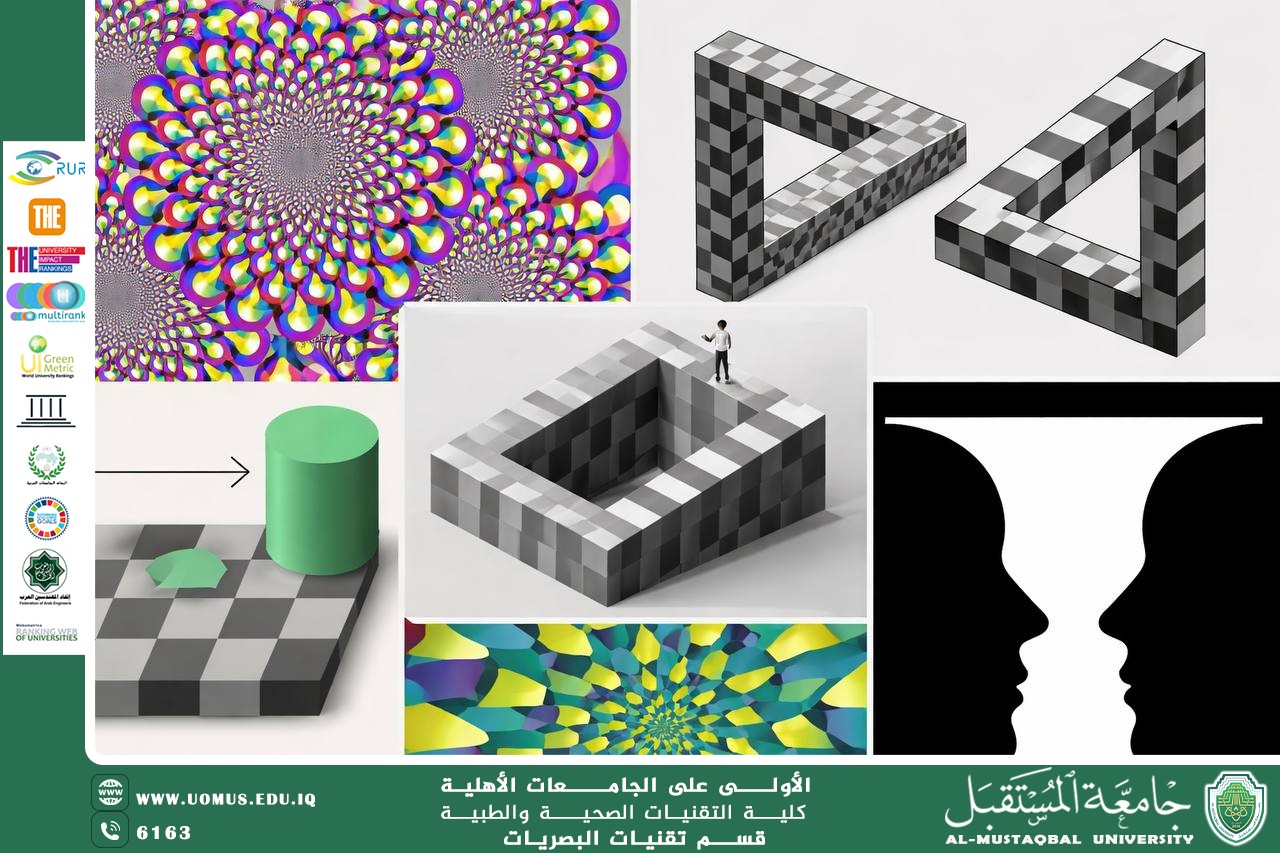
Optical illusions are visual phenomena that cause us to perceive images differently from reality. In fact, the eyes themselves do not deceive us; rather, it is the brain that interprets visual information in ways that can sometimes be misleading.
When the eyes observe a scene, they send visual signals to the brain through the optic nerve. The brain then processes these signals based on past experiences, expectations, and surrounding context. This is where the “trick” happens, as the brain fills in gaps or misinterprets the image.
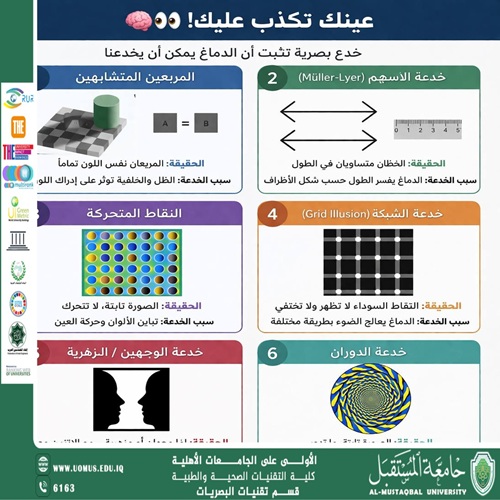
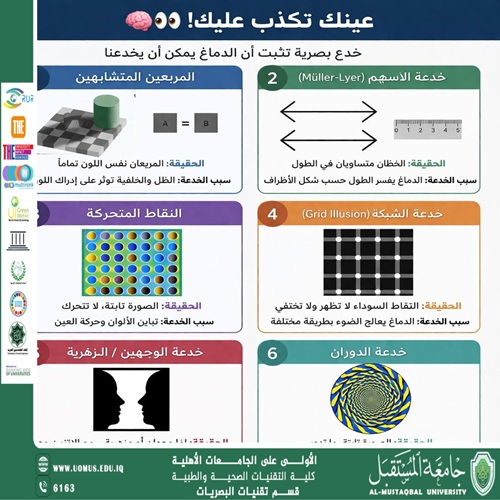
There are several types of optical illusions, including:
• Geometric illusions: where lines appear longer or shorter than they actually are.
• Color illusions: where colors seem different depending on the background.
• Motion illusions: where still images appear to be moving.
These illusions demonstrate that vision is not just a mechanical process but a complex cognitive function involving the brain. Optical illusions are widely used in art, psychology, and advertising to explore perception and attract attention.
In conclusion, the brain can indeed “trick” the eye, but this phenomenon highlights the remarkable complexity of human visual perception.
Optical illusions are visual phenomena that cause us to perceive images differently from reality. In fact, the eyes themselves do not deceive us; rather, it is the brain that interprets visual information in ways that can sometimes be misleading.
When the eyes observe a scene, they send visual signals to the brain through the optic nerve. The brain then processes these signals based on past experiences, expectations, and surrounding context. This is where the “trick” happens, as the brain fills in gaps or misinterprets the image.
There are several types of optical illusions, including:
• Geometric illusions: where lines appear longer or shorter than they actually are.
• Color illusions: where colors seem different depending on the background.
• Motion illusions: where still images appear to be moving.
These illusions demonstrate that vision is not just a mechanical process but a complex cognitive function involving the brain. Optical illusions are widely used in art, psychology, and advertising to explore perception and attract attention.
In conclusion, the brain can indeed “trick” the eye, but this phenomenon highlights the remarkable complexity of human visual perception.
Optical illusions are visual phenomena that cause us to perceive images differently from reality. In fact, the eyes themselves do not deceive us; rather, it is the brain that interprets visual information in ways that can sometimes be misleading.
When the eyes observe a scene, they send visual signals to the brain through the optic nerve. The brain then processes these signals based on past experiences, expectations, and surrounding context. This is where the “trick” happens, as the brain fills in gaps or misinterprets the image.
There are several types of optical illusions, including:
• Geometric illusions: where lines appear longer or shorter than they actually are.
• Color illusions: where colors seem different depending on the background.
• Motion illusions: where still images appear to be moving.
These illusions demonstrate that vision is not just a mechanical process but a complex cognitive function involving the brain. Optical illusions are widely used in art, psychology, and advertising to explore perception and attract attention.
In conclusion, the brain can indeed “trick” the eye, but this phenomenon highlights the remarkable complexity of human visual perception.
Optical illusions are visual phenomena that cause us to perceive images differently from reality. In fact, the eyes themselves do not deceive us; rather, it is the brain that interprets visual information in ways that can sometimes be misleading.
When the eyes observe a scene, they send visual signals to the brain through the optic nerve. The brain then processes these signals based on past experiences, expectations, and surrounding context. This is where the “trick” happens, as the brain fills in gaps or misinterprets the image.
There are several types of optical illusions, including:
• Geometric illusions: where lines appear longer or shorter than they actually are.
• Color illusions: where colors seem different depending on the background.
• Motion illusions: where still images appear to be moving.
These illusions demonstrate that vision is not just a mechanical process but a complex cognitive function involving the brain. Optical illusions are widely used in art, psychology, and advertising to explore perception and attract attention.
In conclusion, the brain can indeed “trick” the eye, but this phenomenon highlights the remarkable complexity of human visual perception.
For Mrs. Reham Safaa Najem
University of Al-Mustaqbal – The First and Leading Private University