Scientific Article Title: “The Hidden Guardian of the Gut: Akkermansia Bacteria”
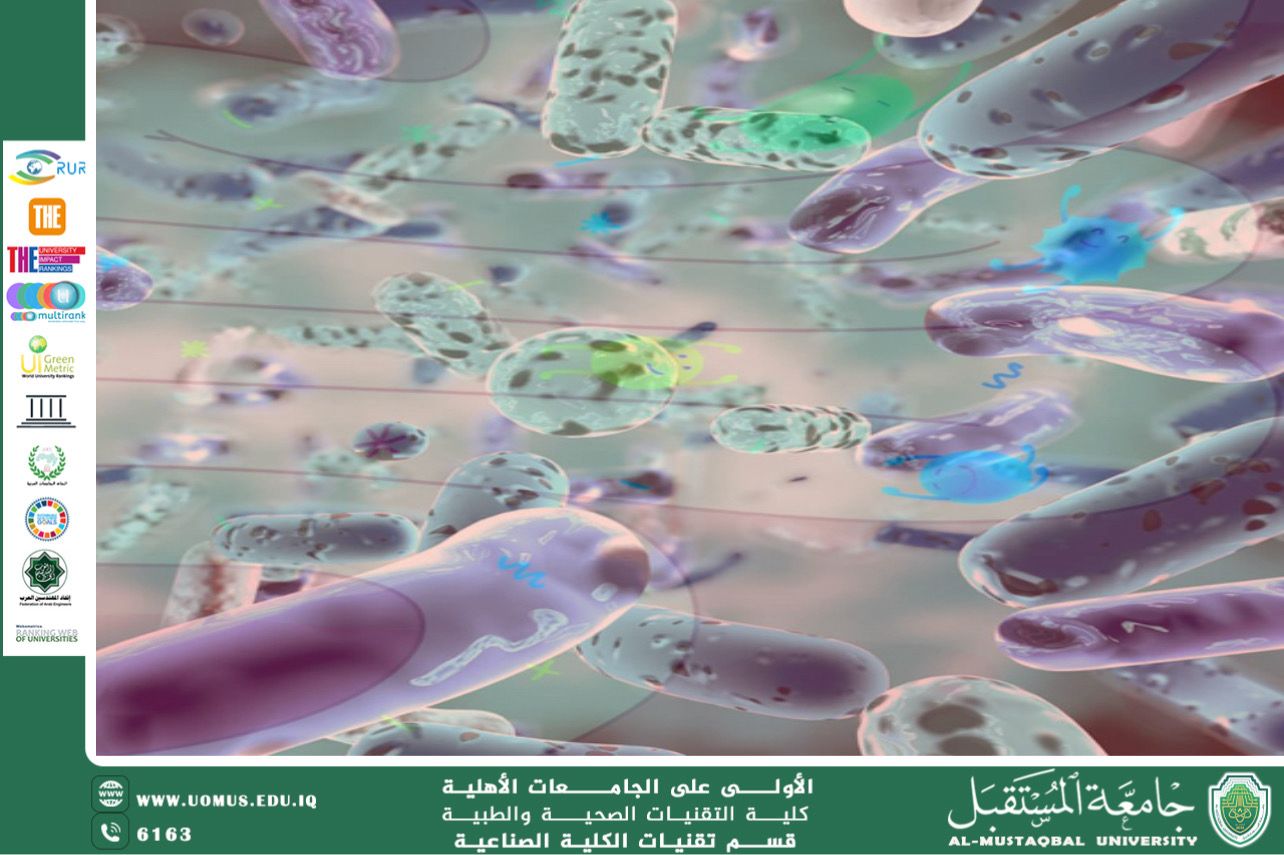
Akkermansia muciniphila, a bacterium belonging to the genus Akkermansia, is a beneficial microbe (“next-generation probiotic”) first discovered in 2004 in the Netherlands. It functions like a guardian of the intestinal barrier, as it feeds on the mucin layer lining the gut, thereby stimulating the body to produce a renewed and stronger mucus layer. This process enhances gut health, supports the immune system, and helps prevent inflammation.
Anti-cancer mechanisms: How does the bacterium perform its role?
Emerging research suggests that higher levels of Akkermansia muciniphila are associated with a reduced risk of colorectal cancer through several complex mechanisms:
• Immune modulation: It plays a key role in regulating the immune system by activating cytotoxic T lymphocytes (CD8+ T cells) to directly attack cancer cells, while reducing immunosuppressive cells. This shifts the tumor microenvironment to a more immunogenic and attack-prone state.
• Enhancement of immunotherapy: It is currently considered a promising biomarker for predicting immunotherapy response. A phase I clinical trial (involving 20 patients) demonstrated that combining it with immune checkpoint inhibitors yielded positive outcomes, showing a 100% safety profile with no treatment-related mortality. Its presence is also believed to improve the efficacy of immunotherapy in lung cancer, while its metabolite, pentadecanoic acid, may enhance chemotherapy effectiveness in gastric cancer.
• Direct effects on tumors: Preclinical studies have demonstrated its direct anti-tumor potential across multiple cancer types. These include colorectal cancer (supported by meta-analysis in animal models), breast cancer (with enhanced efficacy when combined with other bacteria in animal studies), liver cancer (where it contributed to prevention in animal models), and pancreatic cancer (currently under investigation in combination with immunotherapy).
Caution and recommendations: Towards a healthier gut
Despite these promising findings, it is important to note that the role of Akkermansia muciniphila may be context-dependent; in certain conditions, its presence could be associated with tumor progression, highlighting the need for further research. Currently, no definitive clinical guidelines exist. However, its natural growth may be supported through a diet rich in polyphenols (found in pomegranates, berries, and grapes) and dietary fiber, which act as prebiotics that promote its proliferation.
Prepared by:
Head of Department, Professor Dr. Younis Abdulridha Al-Khafaji
Al-Mustaqbal University The First University in Iraq