


Scientific Article about Bipolar Affective Disorder (Bipolar Disorder)
Bipolar affective disorder, formerly known as “manic depression,” is considered one of the most complex and fascinating psychiatric disorders in the field of mental health. This condition is not limited to ordinary mood swings; rather, it is a medical disorder that affects energy levels, activity, and the ability to carry out daily tasks.
The following is a comprehensive scientific overview of this disorder, its causes, symptoms, and methods of management.
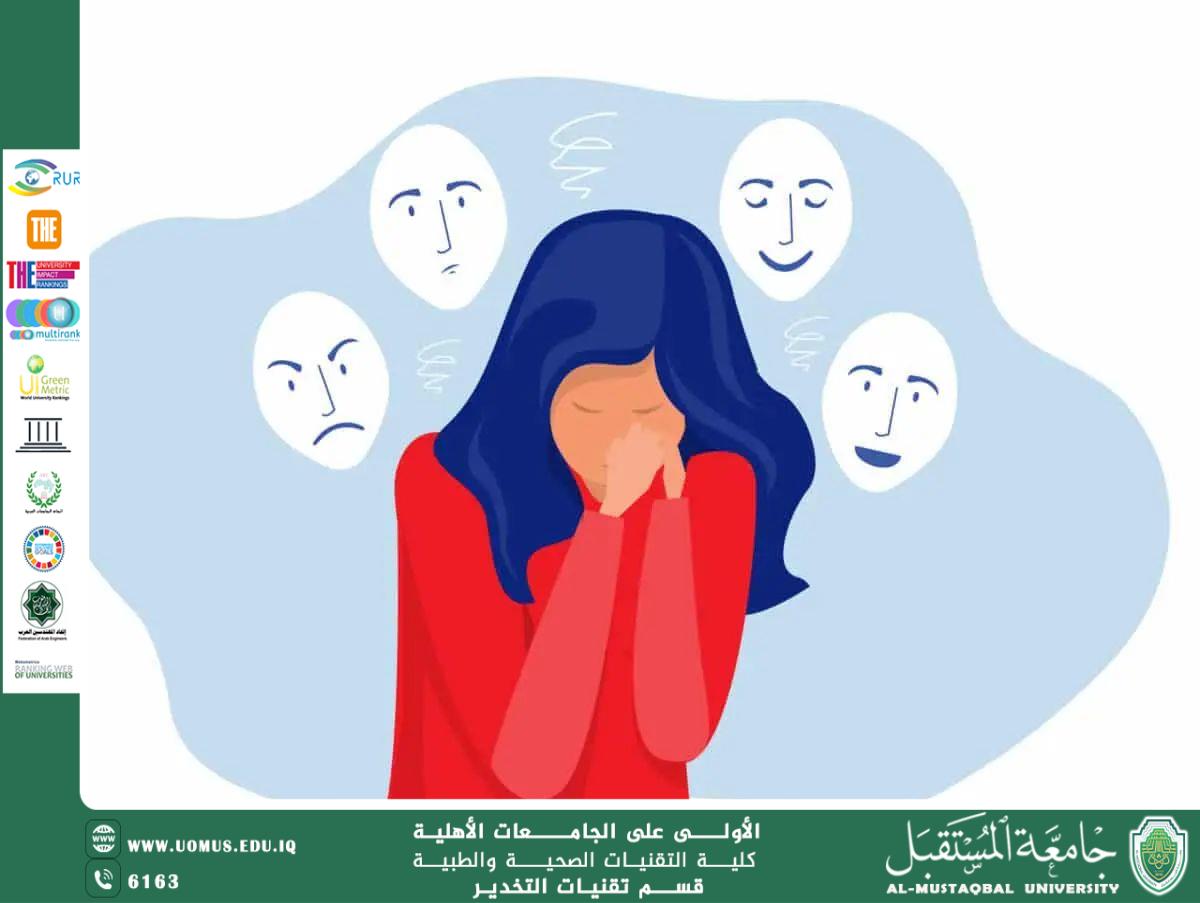
This disorder is characterized by alternating episodes of mania and depression. Patients experience periods of excessive euphoria and unusually high energy, which are followed or preceded by periods of deep sadness and despair. These mood changes may occur suddenly or gradually and vary in intensity from one person to another.
There is no single cause of the disorder; rather, it results from a combination of interacting factors:
Biological factors: Research has shown physical changes in the brains of affected individuals, as well as imbalances in neurotransmitters such as dopamine and serotonin.
Genetic factors: Family history plays a significant role; having a first-degree relative with the disorder significantly increases the likelihood of developing it.
Environmental factors: Severe psychological stress, emotional trauma, or substance abuse may act as triggers for the first episode in individuals who are genetically predisposed.
Clinical Phases of the Disorder
First: Manic Episode (Mania)
In this phase, the patient experiences excessive euphoria, and the following symptoms appear:
• Abnormally elevated self-esteem or a sense of grandiosity
• Decreased need for sleep (only two or three hours may be sufficient)
• Rapid thoughts and continuous, pressured speech (flight of ideas)
• Excessive involvement in pleasurable activities that may have serious consequences (such as reckless spending or impulsive decisions)
Second: Depressive Episode (Depression)
This represents the opposite side, where energy levels drop to their lowest:
• Persistent sadness, feelings of emptiness, and hopelessness
• Loss of interest in all activities that were previously enjoyable
• Changes in appetite and weight (increase or decrease)
• Difficulty concentrating, and sometimes thoughts of death or suicide
Diagnosis and Types
Doctors rely on the criteria outlined in the Diagnostic and Statistical Manual of Mental Disorders (DSM-5). The disorder is mainly divided into:
Type I Bipolar Disorder:
Includes at least one full manic episode, often followed by depressive episodes.
Type II Bipolar Disorder:
Characterized by severe depressive episodes and hypomania, which is less intense than full mania and usually does not require hospitalization.
Modern Treatment Approach
Although bipolar disorder is a chronic condition, it can be effectively managed through:
Pharmacological treatment:
The use of mood stabilizers such as lithium is considered the cornerstone of treatment, in addition to antipsychotics or antidepressants under careful medical supervision.
Psychotherapy:
Cognitive Behavioral Therapy (CBT) helps patients understand the triggers of episodes and develop strategies to cope with stress.
Lifestyle regulation:
Maintaining a regular sleep schedule, avoiding stimulants, and engaging in physical exercise significantly contribute to stabilizing mood.
Conclusion
Understanding bipolar disorder as a biological medical condition, away from social stigma, is the first step toward recovery. Thanks to modern medicine, most patients can live normal, productive, and stable lives.
Hussein Shadad
Al-Mustaqbal University
The First University in Iraq