Multiple Sclerosis | Multiple Sclerosis (MS)
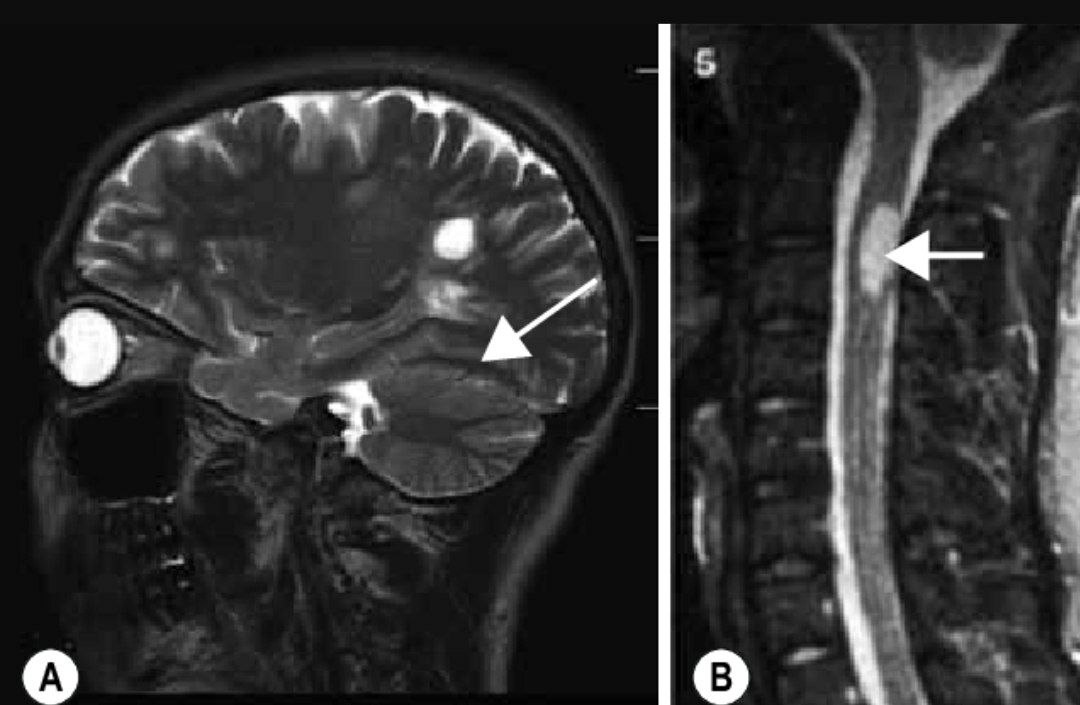
سراب مسلم حسن<br /><br /><br /><br /><br /><br /><br />Which is also known as multiple sclerosis or nerve sclerosis, is a chronic immune disorder that attacks the myelin layer, causing a defect in the central nervous system such as the brain, spinal cord, and optic nerves. It leads to a defect in many basic body functions, such as vision, balance, muscle control, and others.<br /> Symptoms of a multiple sclerosis attack usually begin to appear in youth, between the ages of 17-42 years, but they can also appear at different age stages such as childhood and old age, and women are more susceptible to multiple sclerosis than men.<br /> Symptoms of a multiple sclerosis attack range from minor symptoms that can be overcome with treatment, to severe symptoms that can cause the patient to become completely disabled. The periods in which the symptoms of the disease intensify are called relapse, while the periods in which the symptoms subside or disappear are called the period of remission. The period in which the symptoms of the disease subside can reach several months, or sometimes a year.<br /> It is a type of multiple sclerosis<br />Relapsing-remitting multiple sclerosis: This type is the most common type of multiple sclerosis, and is characterized by many relapses and many periods of remission for the disease.<br /> Secondary Progressive Multiple Sclerosis: This type is characterized by a deterioration of the patient’s health status in a constant pattern, and the patient may face relapses of the disease.<br /> Primary – Progressive Multiple Sclerosis: This type causes the patient’s health condition to deteriorate in a consistent pattern as well, but the patient may not have a noticeable relapse or remission of the disease, and this type of multiple sclerosis is rare.<br /> Benign Multiple Sclerosis: This type of multiple sclerosis is characterized by not having many relapses, and if a relapse occurs, the patient fully recovers after the relapse, and the sclerosis can be classified as benign, when the symptoms disappear for a period ranging between 10-15 years. .<br /> There is no definitive cure for multiple sclerosis, but the treatment methods mentioned later are steps taken to relieve symptoms, reduce relapses, and increase the period of remission of the disease. These methods may include the following:<br /> - Treatment with corticosteroids: to relieve nerve inflammation, such as using methylprednisolone or prednisone.<br /> -Using medications such as natalizumab or interferon to control the development of the disease, limit its progression, and reduce the occurrence of relapses.<br /> - Muscle contraction medications.<br /> - Antidepressant medications.<br /> -Eat a balanced and healthy diet, and there is a special diet for patients with multiple sclerosis.<br /> -Take enough rest.<br /> -natural therapy.<br /> -Exercise.<br />