Scientific Article by Assistant Lecturer Hawraa Ali Title: Modern Techniques in Analytical Chemistry and Their Impact on Medical Diagnosis
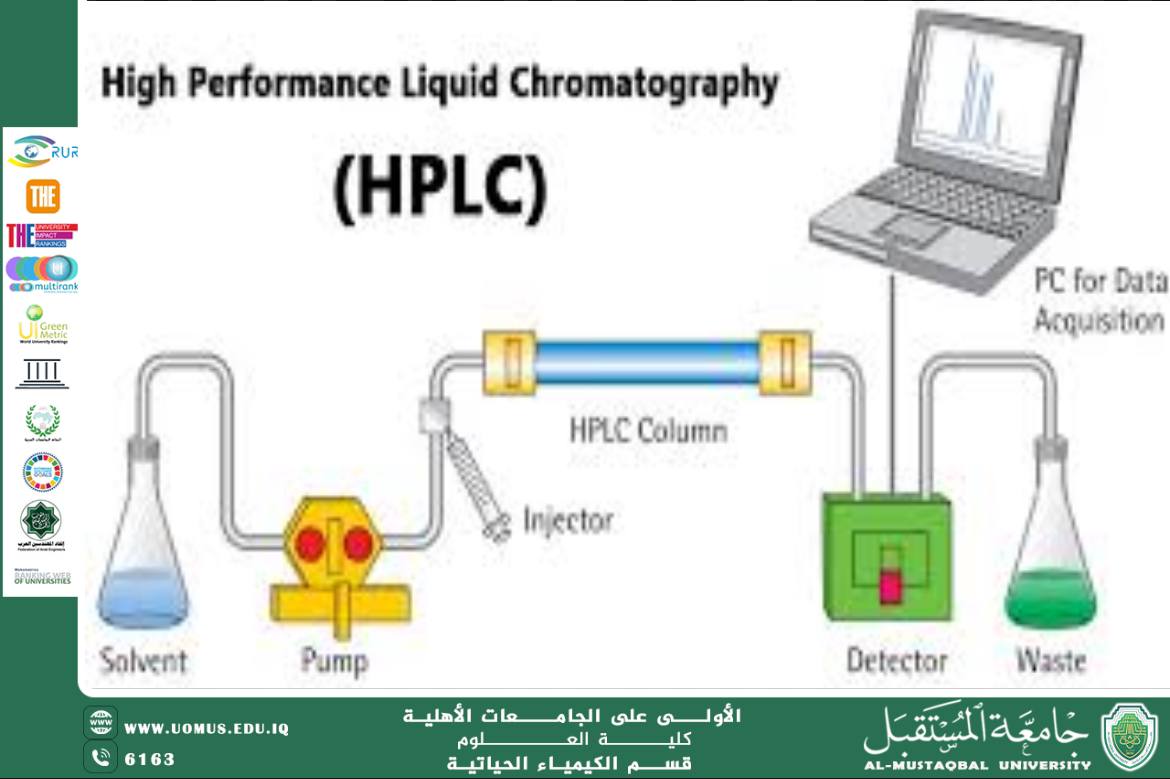
Introduction<br /><br />Analytical chemistry has witnessed significant advancements due to technological progress, leading to improved accuracy and speed in medical diagnosis. This field focuses on studying the chemical composition of substances and identifying their components, contributing to a deeper understanding of biological processes and the development of effective therapeutic strategies.<br /><br />Modern Techniques in Analytical Chemistry<br /><br />1. Spectroscopy<br /><br />Spectroscopy is used to study the interactions between matter and electromagnetic radiation, helping to determine the molecular and atomic composition of samples. Some of the key spectroscopic techniques used in medical diagnostics include:<br /><br />Ultraviolet-Visible Spectroscopy (UV-Vis Spectroscopy): Used to determine the concentration of compounds in biological samples, such as proteins and enzymes.<br /><br />Nuclear Magnetic Resonance Spectroscopy (NMR Spectroscopy): Used to study the molecular structure of organic compounds, aiding in understanding biochemical reactions.<br /><br /><br />2. Chromatography<br /><br />Chromatography is a technique used to separate and analyze the components of a mixture. It is essential in medical analyses for detecting and quantifying various compounds in biological samples.<br /><br />High-Performance Liquid Chromatography (HPLC): Used to analyze blood and urine components, such as drugs and hormones.<br /><br />Gas Chromatography (GC): Used to analyze volatile organic compounds, such as alcohols and solvents.<br /><br /><br />3. Electrochemical Techniques<br /><br />These techniques measure electrical changes resulting from chemical reactions and are widely used in developing biosensors for detecting biological molecules.<br /><br />Glucose Sensors: Used for monitoring blood sugar levels in diabetic patients.<br /><br />DNA Sensors: Used for detecting genetic mutations and hereditary diseases.<br /><br /><br />4. Mass Spectrometry<br /><br />Mass spectrometry is used to determine the molecular mass of compounds and analyze their structure. This technique is essential for identifying proteins, lipids, and carbohydrates in biological samples.<br /><br />Liquid Chromatography-Mass Spectrometry (LC-MS): Used for drug analysis and determining their concentrations in the blood.<br /><br /><br />Impact of Modern Techniques on Medical Diagnosis<br /><br />The integration of modern techniques in analytical chemistry has significantly improved the quality and accuracy of medical diagnosis by:<br /><br />Early Disease Detection: Advanced techniques enable the identification of biochemical changes at early stages of diseases, increasing the chances of successful treatment.<br /><br />Personalized Treatment: Accurate analysis of biological samples helps in understanding disease characteristics and selecting the most suitable treatment for each case.<br /><br />Monitoring Treatment Effectiveness: These techniques allow for tracking a patient's response to treatment and adjusting therapeutic plans based on results.<br /><br /><br />Conclusion<br /><br />Modern techniques in analytical chemistry have greatly contributed to the development of medical diagnostics, enhancing healthcare quality and increasing recovery rates. Ongoing research and development in this field aim to innovate more precise and effective technologies to address future medical challenges.<br /><br />Al-Mustaqbal University is The First University in Iraq<br /><br />