Use of Information Technology in Reducing Medical Errors(Dr. Maytham Nabeel Meqdad).
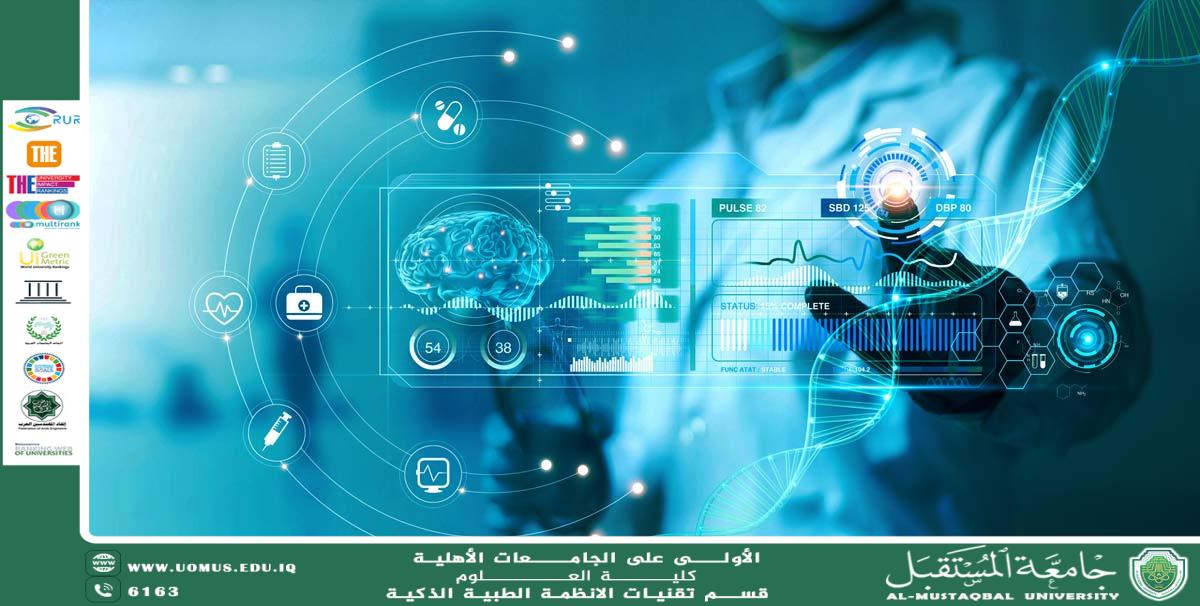
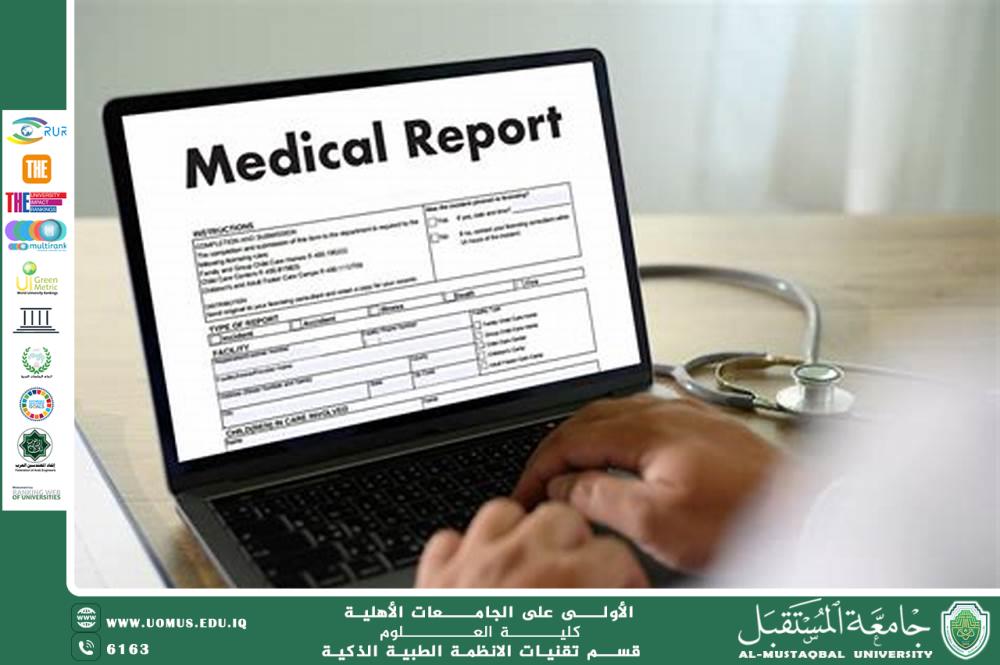
In the modern era, information technology has become a key element in improving healthcare quality and reducing medical errors that may affect patients' lives. Through digital transformation and the adoption of advanced systems, healthcare institutions have been able to enhance diagnostic accuracy and reduce the likelihood of medical errors.<br />One of the most important applications in this field is electronic medical records, which allow doctors to access patient data quickly and accurately, helping reduce errors caused by miscommunication or lost information. Electronic prescription systems also reduce dosage errors and dangerous drug interactions.<br />Moreover, hospitals use AI technologies to analyze big medical data to identify abnormal patterns, which aids in diagnosing medical conditions more accurately. Clinical decision support systems also offer recommendations to doctors based on the latest scientific evidence.<br />Despite these benefits, challenges still exist in applying information technology in healthcare, such as the need to secure data and protect it from cyberattacks, and continuous training for medical staff on using these technologies efficiently. However, the future holds promising developments in this area, which will enhance patient safety and reduce medical errors.<br /><br />Al-Mustaqbal University is the first University in Iraq.