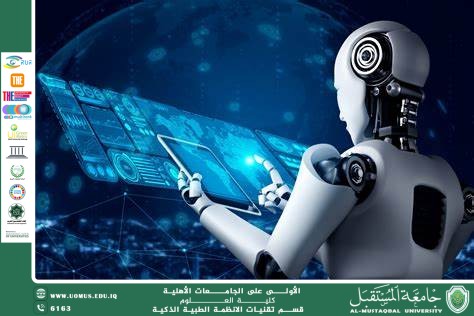

Artificial Intelligence in European Healthcare: Growth Drivers and Trends Through 2027(Huda Khudair Hani).
European healthcare is undergoing a profound transformation driven by artificial intelligence technologies, which have become a cornerstone of innovation in diagnosis, treatment, and management. Economic and technological indicators suggest that the European healthcare AI market will witness a compound annual growth rate exceeding 40% by 2027, reflecting the scale of investment and the increasing reliance on these digital solutions.<br />Several factors are driving this growth, most notably the rising proportion of elderly individuals in Europe, the increasing prevalence of chronic diseases, and growing pressure on public health systems. Governments aim to reduce costs without compromising care quality, and here, AI emerges as a vital solution offering tools for early diagnosis, medical imaging analysis, and clinical decision support based on accurate and up-to-date data.<br />Key trends expected through 2027 include the advancement of precision medicine through genomic analysis, the enhancement of remote healthcare services, and the use of machine learning in drug development and clinical trials. The sector is also witnessing growing interest in improving logistical operations within hospitals, which contributes to better resource management and reduced waiting times.<br />In parallel with technological growth, European institutions are aligning with regulatory and legislative efforts to ensure the ethical and safe use of AI. The European Commission is working to adopt a unified legal framework through the “AI Act,” aimed at ensuring transparency, accountability, and combating algorithmic bias.<br />Together, these dynamics position AI as a foundational pillar in the future of European healthcare—not merely as a set of tools, but as a strategic component for modernizing the entire healthcare system.<br /><br />Al-Mustaqbal University is the first University in Iraq.