Green Medicine: How Environmental Technology Is Transforming Traditional Healthcare.
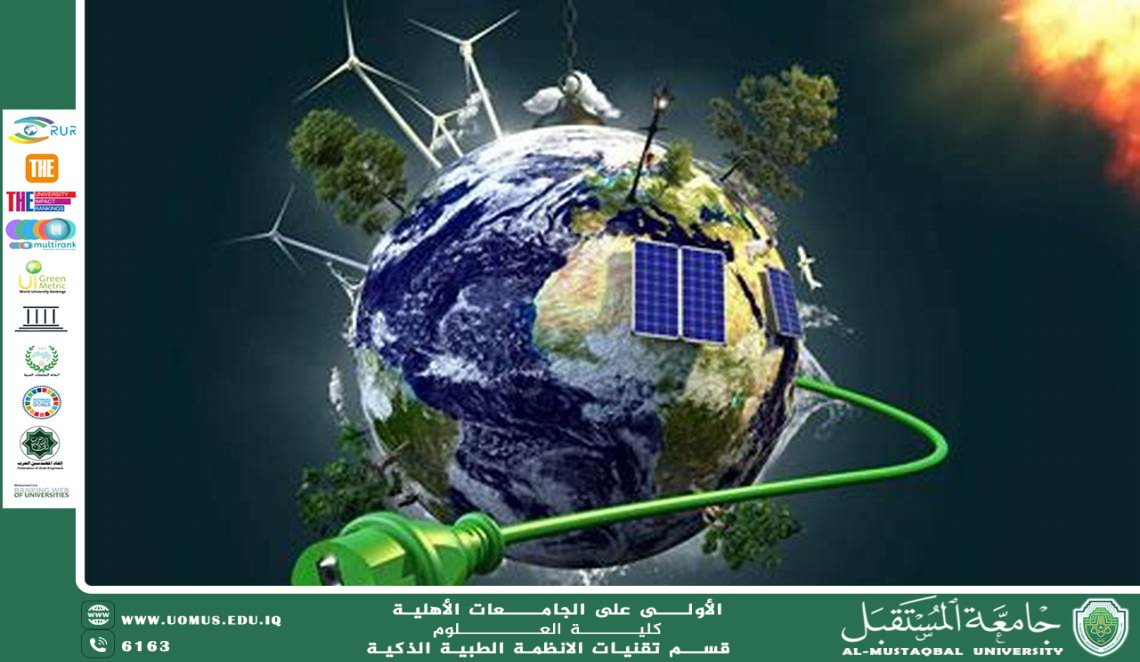
The concept of "green medicine" has emerged as a direct response to the growing environmental challenges facing the global healthcare sector. This approach goes beyond the use of natural herbs or organic medicines; it represents an integrated system that combines sustainable technologies with medical practices to reduce the environmental impact of healthcare delivery. For instance, solar energy is being used to power remote clinics, while medical tools are now manufactured from biodegradable materials or safely recycled alternatives.<br /><br />Today, healthcare institutions around the world are striving to reduce their carbon footprint by minimizing electricity and water consumption and managing medical waste through eco-friendly methods. Concepts such as "green healthcare buildings" have also gained momentum, incorporating thermal insulation, smart lighting, and natural ventilation systems to improve energy efficiency and enhance the work and care environment.<br /><br />This direction strongly aligns with Sustainable Development Goal 12 (Responsible Consumption and Production) and Goal 13 (Climate Action) by reducing carbon emissions and optimizing resource management. Green medicine is not just an environmental trend—it has become a strategic necessity to ensure a healthy and safe future for upcoming generations. It also promotes environmental justice by providing low-cost, sustainable healthcare services in underserved areas.<br /><br />Al-Mustaqbal University The First University in Iraq.<br />