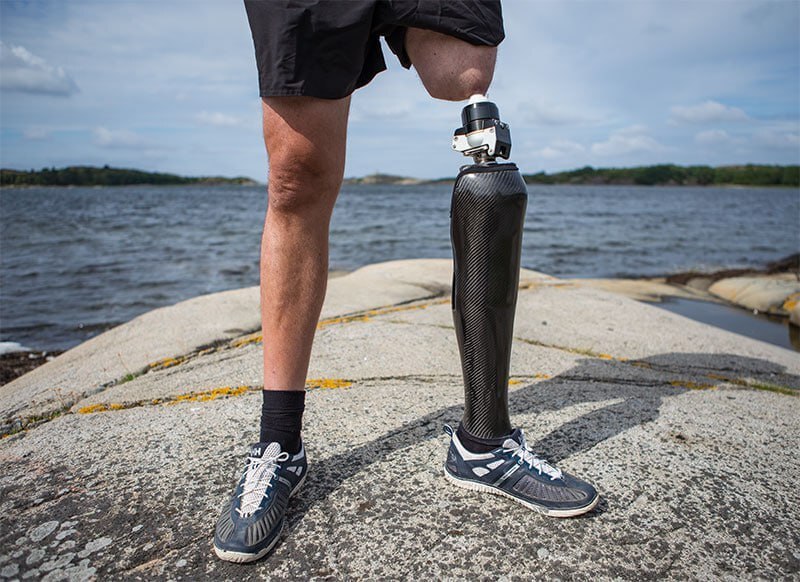
Osseointegrated Prosthetics A Transformative Leap in Limb Replacement
The field of osseointegrated prosthetics has seen remarkable progress in recent years, evolving from an experimental concept into a cutting-edge clinical solution that significantly improves the lives of amputees. This technique involves implanting a metal fixture directly into the residual bone, which connects to the external prosthesis—eliminating the need for traditional sockets and offering greater comfort and control.<br /><br />Recent advancements include the use of specialized alloys like Ti-13Nb-13Zr, known for their excellent mechanical strength, corrosion resistance, and biocompatibility. Nanocoatings such as hydroxyapatite (HAp) have further enhanced bone integration and reduced inflammation, as demonstrated in both animal studies and clinical trials. Additionally, new prosthetic foot designs and joint connectors have been developed to improve alignment and gait, supported by advanced simulation tools like ANSYS.<br /><br />Despite challenges such as infection risk and high costs, osseointegrated prosthetics represent the future of limb replacement—especially with the integration of AI and neural feedback technologies. These innovations not only restore mobility but also bring back a sense of embodiment, marking a profound shift in patient quality of life.