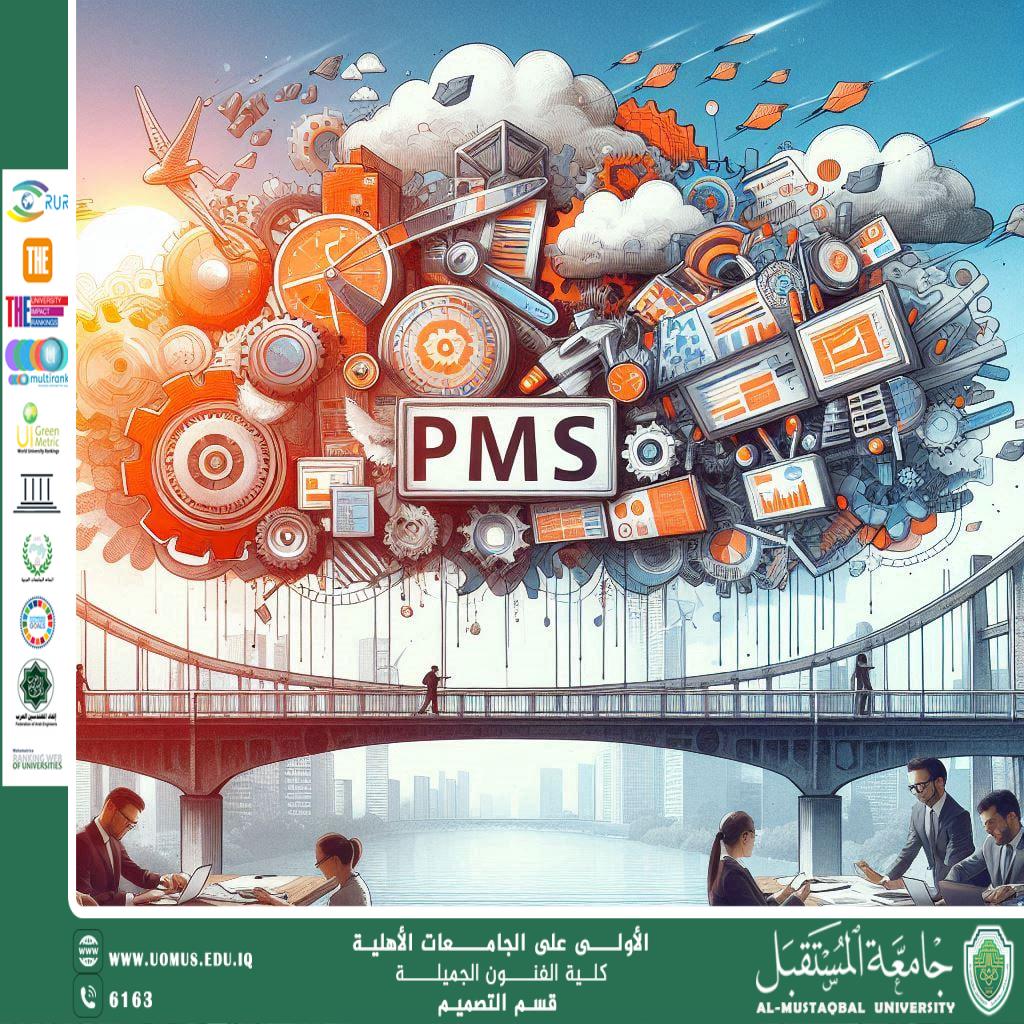
An Article " Project Management System in Modern Design PMS The Bridge Between Creativity and Organization" By Dr. Israar Abbas Samandar
Amid the rapidly evolving digital transformations shaping the design world, it has become essential to adopt organizational and technological tools that enhance the quality of creative work and regulate its implementation process. Among these tools, the Project Management System or PMS stands out as a central framework that supports the modern designer in the journey from concept to execution<br /><br />PMS is a technical platform used to plan, execute, monitor, and evaluate projects across various fields. It is not limited to industrial or engineering projects but has become a fundamental component in contemporary design processes, which require precise coordination between multiple teams, specific timelines, and diverse resources<br /><br />PMS in Design From Concept to Completion<br />In the past, designers relied on traditional tools and handwritten notes to organize ideas and track progress. Today, with the adoption of PMS platforms, designers can now create detailed timelines for design stages, assign tasks among team members whether designers, engineers, or technicians, document version changes, archive visual materials, drawings, and plans, and maintain real-time communication with clients or remote team members<br /><br />The Advantages of PMS in Supporting Creative Work<br />PMS provides several valuable advantages for designers, including<br />Organizing creative work without limiting it<br />Saving time by reducing redundancy and wasted effort<br />Ensuring quality through stage-by-stage reviews<br />Supporting decision-making through data and progress reports<br /><br />Integration of PMS with Modern Design Tools<br />A key strength of PMS systems lies in their seamless integration with major design platforms such as<br />Adobe Creative Suite<br />AutoCAD and Revit<br />Rhino and SketchUp<br />BIM Building Information Modeling tools<br /><br />This integration allows designers to move effortlessly between creativity and planning without disconnection or confusion<br /><br />Between Art and Management<br />Some may believe that art does not require management but in truth modern design blends technical imagination with real-world execution combining idea and craftsmanship. PMS serves as the bridge between these two worlds enabling today’s designer to create works defined by organized creativity and intentional beauty<br /><br />Using PMS in modern design is no longer a choice but a necessity. It allows designers to remain creative without descending into chaos and empowers them to engage with the digital age with a clearly defined artistic vision. In short it is the silent partner of every designer striving for excellence clarity and distinction<br /><br />Almustaqbal University, The First University in Iraq.