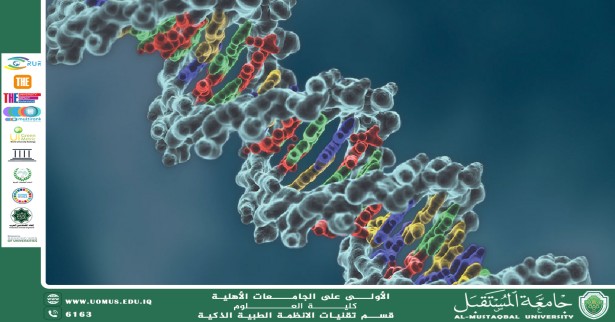

Using Gene Editing Technologies to Enhance Immune Cell Response Against Pathogens (Asst. Lecturer Najat Hamed Jassim)
Gene editing technologies are among the most groundbreaking innovations in medical biotechnology. They have significantly improved the ability of immune cells to combat a variety of pathogens. One key tool is CRISPR-Cas9, which enables precise modifications of specific genes in immune cells—such as T cells—enhancing their ability to detect and fight viruses, bacteria, and even cancer cells.<br /><br />In practical applications, immune cells are extracted from the patient’s body, genetically modified in the lab by adding or deleting genes that regulate immune response, then reinfused into the patient. These modified cells can recognize and destroy pathogens more effectively. A prominent example is CAR-T cells, genetically engineered T cells used in the treatment of certain types of leukemia.<br />These methods also help overcome resistance to traditional antiviral therapies and offer a more targeted and potentially safer alternative to chemical treatments. However, gene editing requires highly controlled lab environments and strict regulatory oversight to avoid unwanted mutations or immune overreactions.<br />Gene editing offers a promising future for personalized medicine and immunotherapy, paving the way for innovative solutions to chronic and treatment-resistant diseases.<br /><br />🎓 Al-Mustaqbal University – The First University in Iraq<br /><br />