
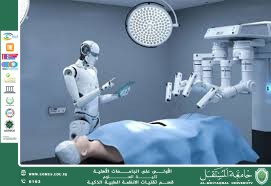
Generative Artificial Intelligence in Clinical Documentation — Reducing Physician Time Without Sacrificing Quality of Care (Dr. Maytham Nabil Maqdad)
Clinical documentation is considered one of the most time-consuming tasks for physicians. Studies indicate that doctors spend more than 40% of their time entering medical data rather than engaging directly with patients. With the advent of Generative Artificial Intelligence (AI), a revolutionary opportunity has emerged to redistribute this workload.<br />Generative systems are capable of listening to the dialogue between physician and patient and automatically converting it into comprehensive clinical notes, including medical history, differential diagnosis, and treatment plan. This process saves hours of manual writing and enables physicians to devote more time to clinical assessment and decision-making.<br />However, the main concern lies in ensuring the accuracy and reliability of these systems. Any documentation error may lead to incorrect treatment plans or the neglect of critical details. This highlights the importance of human oversight, where physicians remain responsible for reviewing the generated texts before final approval.<br />Another crucial aspect is privacy protection. Data must be stored in encrypted and secure environments, especially in light of the increasing cyberattacks on hospitals. For this reason, some medical institutions have started employing blockchain technologies to ensure record integrity and prevent tampering.<br />From an economic perspective, automated documentation is expected to reduce healthcare costs by lowering the need for medical scribes and alleviating the psychological and administrative burden on physicians. This positively impacts the quality of care, as physicians shift their focus from screen interaction to patient interaction.<br />Thus, Generative AI should not merely be regarded as a time-saving tool but as a qualitative factor in redefining medical practice—provided that it is integrated within regulatory and ethical frameworks ensuring both safety and quality.<br />Moreover, this digital transformation aligns with the third Sustainable Development Goal (Good Health and Well-being) by improving the quality and accessibility of healthcare services through enhancing physician efficiency and reducing their workload. It also contributes to innovation and infrastructure development (Goal 9) through the adoption of advanced technologies and promotes responsible consumption and <br /><br />Al-Mustaqbal University is the first one university in Iraq.<br /><br />