Scientific Article by M.M. estabraq Aref Mohammed titled "Adsorption Process in Water Treatment: Advanced Techniques and Practical Applications"
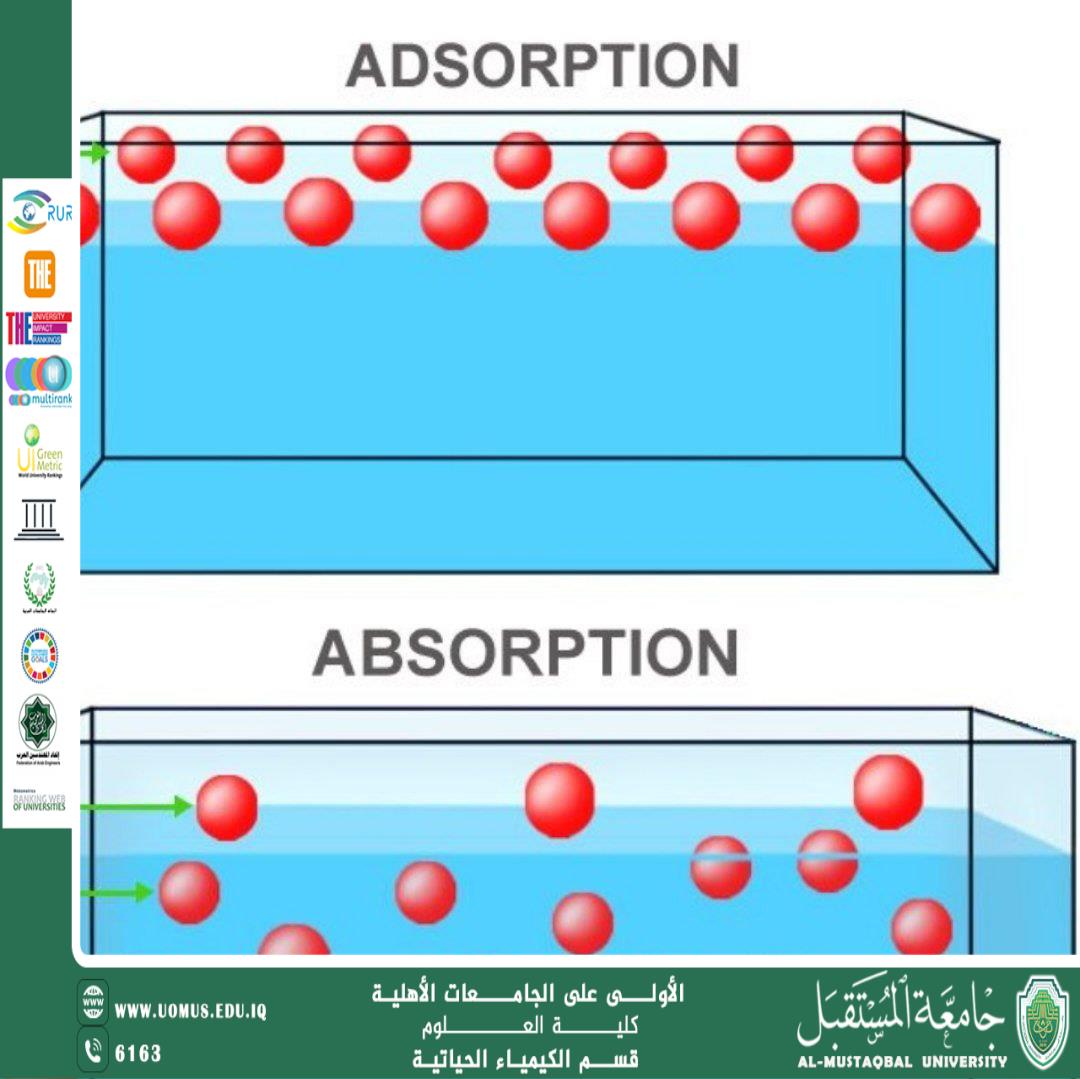
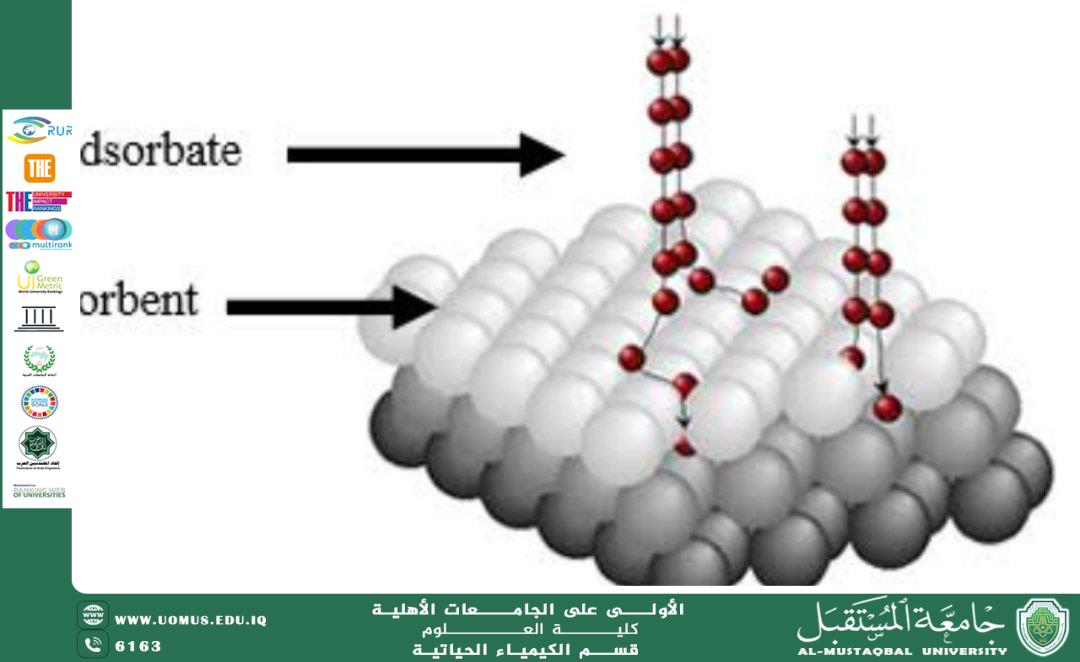
Adsorption technology represents an effective solution for water pollution problems. This paper investigates the latest adsorbent materials and adsorption techniques used in water treatment, with a focus on practical applications and economic feasibility.
1. Advanced Adsorbent Materials
A. Nanomaterials
· Metal oxide nanoparticles
· Carbon nanotubes
· Graphene and graphene oxides
B. Hybrid Materials
· Organic-inorganic compounds
· High porosity materials
· Functional materials
2. Adsorption System Design
A. Batch Systems
· Design of discontinuous reactors
· Kinetic and dynamic studies
· Optimization of operating conditions
B. Continuous Column Systems
· Adsorption column design
· Breakthrough curve modeling
· Optimization of operating conditions
3. Feasibility Studies
A. Economic Analysis
· Cost of adsorbent materials
· Operation and maintenance costs
· Life cycle analysis
B. Environmental Assessment
· Environmental impact assessment
· Carbon footprint analysis
· Sustainability evaluation
4. Practical Case Studies
A. Heavy Metal Removal
· Applications in mining industries
· Industrial wastewater treatment
· Results and challenges
B. Organic Pollutant Removal
· Sewage water treatment
· Pesticide and pharmaceutical removal
· Protection of water resources
5. Conclusion
Advanced adsorption technologies represent a sustainable and effective solution for water pollution problems. Through optimal design and innovative materials, high treatment efficiency can be achieved while maintaining economic feasibility.
Al-Mustaqbal University, The First University in Iraq.