"Artificial Intelligence and Its Relationship with Solar Cells"
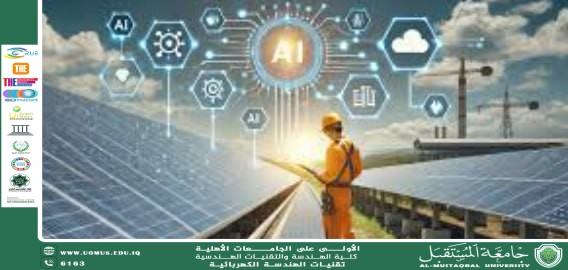
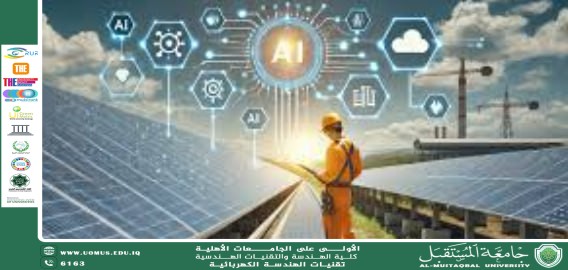
Artificial intelligence (AI) is considered one of the most important modern technologies that has brought significant transformation in the field of renewable energy, particularly in solar cell systems. AI algorithms, such as machine learning and artificial neural networks, enable the analysis of massive amounts of environmental and operational data to improve the performance and efficiency of solar energy systems. For example, these technologies are used to predict solar radiation with high accuracy based on weather data and to perform Maximum Power Point Tracking (MPPT) to ensure the production of the maximum possible energy under varying weather conditions. They also contribute to early fault detection and predictive maintenance, reducing operational costs and extending system lifespan.
With the integration of solar cells into smart cities, AI has become a central component in managing and distributing energy through smart grids to balance production and consumption. Although challenges exist, such as the need for accurate data and high processing costs, ongoing advancements in AI, the Internet of Things (IoT), and cloud computing enhance the future prospects for developing smarter and more sustainable solar systems. These developments contribute to the transition toward clean energy and a green economy.