Machine Learning for Phenotype–Genotype Matching in Rare Diseases
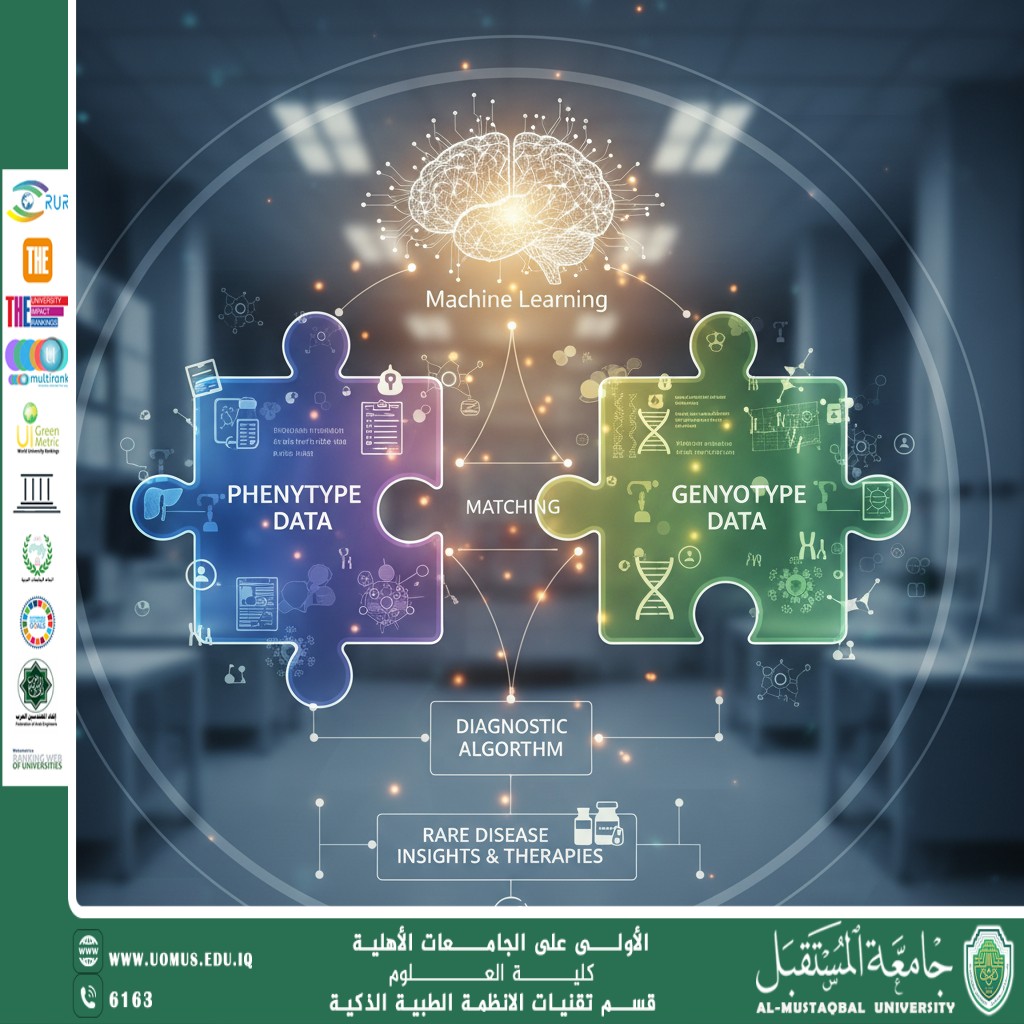
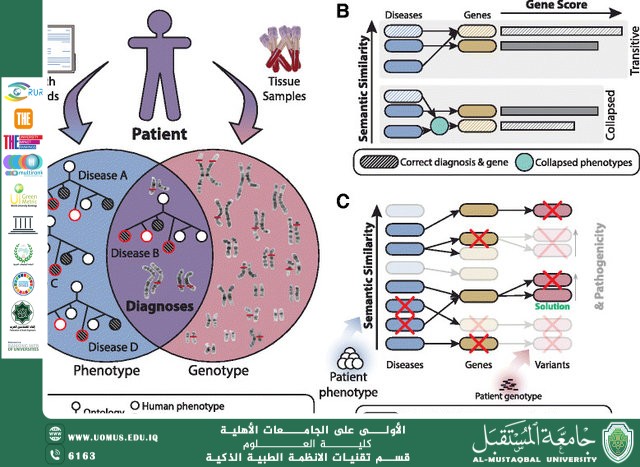
Historically, diagnosis of rare diseases relied heavily on clinicians' expertise. Nowadays, machine learning (ML) offers novel capabilities to match phenotypes with genotypes by analyzing large heterogeneous datasets: electronic health records, imaging reports, and genomic sequences. ML approaches leverage advanced classifiers and deep neural networks that extract subtle features from clinical images, medical texts, and sequence data. These models can shorten diagnostic timelines by automatically detecting atypical patterns unnoticed by humans, especially when multiple unusual symptoms coexist. However, key challenges include scarce training examples for rare conditions, class imbalance, and noise within genetic and diagnostic data. Solutions such as transfer learning, synthetic data generation, and regularization techniques improve robustness. Clinical validation and tight collaboration between data scientists and clinicians are critical to ensure model interpretability and clinical relevance. Finally, data quality and standardization remain fundamental — model outputs are only as reliable as the datasets used.