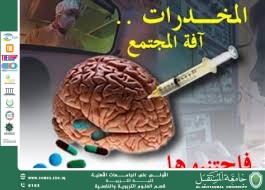
Drugs: The scourge of our time and a burden on societies
Prepared by: Prof. Dr. Thanaa Bahaa El-Din Abdullah
Drugs represent one of the most serious challenges facing human societies in the modern era. They are not merely substances that impair the mind and weaken the body; rather, they are a scourge that destroys the individual, the family, and society alike, draining economic and security resources and undermining the stability of nations.
First: The Concept and Types of Drugs:
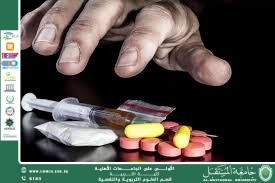
Drugs are any natural or synthetic substance that affects the central nervous system, leading to changes in perception, mood, and behavior, and causing addiction, which is physical and psychological dependence. Their forms vary and include:
- Natural drugs: such as hashish, opium, and cocaine.
- Synthetic (manufactured) drugs: such as heroin, morphine, and amphetamines.
- Psychoactive substances: such as some medications and sedatives that are taken without medical supervision.
Second: Causes and Contributing Factors to Drug Use:
There are many reasons that drive individuals to fall prey to drugs, the most prominent of which are:
1. Ignorance: of the dangers of drugs and their devastating effects.
2. Bad companions: Those who glamorize drug use in the eyes of young people as a means of pleasure and liberation.
3. Spiritual and intellectual emptiness: And the absence of religious and moral guidance.
4. Family problems: Such as divorce, ongoing disputes, and family disintegration.
5. Unemployment and idleness: Creating a fertile ground for frustration and the search for a false escape.
6. The unsafe online world: And the content it offers that promotes drugs and facilitates their acquisition.
Third: The devastating effects of drugs:
Drugs destroy the lives of the user and those around them, and their effects manifest on several levels:
- On mental and physical health: They cause serious illnesses such as depression, psychosis, liver cirrhosis, cancer, and weakened immunity, and may lead to death from overdose.
- On the economic level: Addiction depletes an individual's savings, leads to decreased productivity and increased unemployment rates, and places a heavy burden on the state for treatment, rehabilitation, and combating trafficking.
On a social level: It leads to family disintegration, the spread of crimes such as theft and murder to finance drug use, the erosion of moral values, and the loss of young people's futures.
On a national security level: Drug trafficking is considered one of the most important sources of funding for gangs and terrorism, threatening the security and stability of nations.
Fourth: Ways to Confront and Prevent:
To confront this scourge, a comprehensive strategy must be adopted, involving all institutions of society:
1. The role of the family: through proper upbringing, monitoring children, creating an atmosphere of trust and dialogue, and strengthening religious and moral values.
2. The role of educational institutions: by integrating awareness programs into curricula, developing life skills among students, and identifying early cases and referring them for treatment.
3. The role of the media: by spreading awareness of the dangers of drugs in effective ways, highlighting success stories of recovery, and exposing the tricks of dealers.
4. The role of the state: by increasing penalties for traffickers and dealers, intensifying security campaigns at borders, providing well-equipped and accredited treatment centers, and supporting social and vocational rehabilitation programs for recovering addicts. 5. The Individual's Role: Choosing good friends, utilizing free time in beneficial activities, avoiding suspicious places, and seeking refuge in God and psychological support when facing problems.
Conclusion: Drugs are a fire that burns those who approach them. They are not an escape from a problem, nor a path to pleasure. They are a dark road leading to destruction. Preventing their use is not the responsibility of one entity alone, but rather a collective responsibility requiring the concerted efforts of everyone: family, school, media, and the state, to build a conscious and strong generation, capable of saying "no" to all those with ulterior motives, and committed to building themselves and their nation. Life is a trust, and preserving it from self-destruction is an obligation and a duty for every human being.
(Al-Mustaqbal University is the leading university in Iraq)