Traffic Accident Damages: Civil Liability and Compensation under Iraqi Law(M.M. Fatima Abbas Barhi)
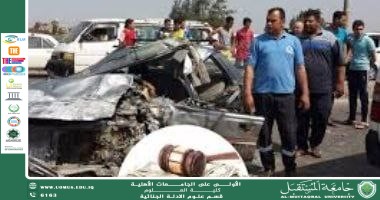
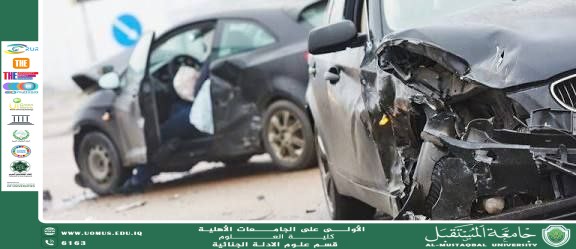
Traffic accidents constitute one of the most significant challenges threatening public safety in Iraqi society, as they result In substantial human and material losses. This reality necessitates strict adherence by drivers to traffic regulations and the application of principles of civil liability and compensation in the event of damage. Iraqi law addresses these accidents through multiple provisions that ensure the protection of victims' rights and the accountability of those responsible.
Civil liability in traffic accidents is reflected In the driver’s or vehicle owner’s obligation to compensate for any damage caused to others due to fault or negligence. The Iraqi Civil Code, in Article 326, states:
"Every act that harms another person and causes damage obliges the perpetrator to compensate for such damage unless a legitimate reason absolves him of responsibility."
Based on this provision, traffic accidents resulting from failure to comply with traffic rules or negligence fall within the scope of civil liability, making the driver responsible for compensating the victim for both material and bodily damages.
Compensation under Iraqi law is generally divided into compensation for bodily injuries and compensation for material damages. Bodily injuries include physical harm, temporary or permanent disability, and even death, while material damages cover vehicle damage and financial losses resulting from interruption of work or medical treatment. According to Article 327 of the Iraqi Civil Code:
"The injured party is entitled to claim compensation that covers all losses resulting from the damage, including medical expenses and loss of income."
Consequently, insurance companies and vehicle owners implement these legal provisions to ensure proper compensation for victims. Iraqi law also addresses shared negligence, where each party may bear a proportion of the damage according to their contribution to the accident.
The Iraqi Traffic Law No. 67 of 1976 reinforces this framework. Article 49 states:
"Anyone who causes a traffic accident due to negligence or reckless driving shall be punished by imprisonment and/or a fine and is obliged to compensate the injured party."
Additionally, Article 50 of the same law stipulates:
"The driver who caused the accident is obliged to notify the traffic authorities immediately and provide all necessary information to facilitate compensation procedures and protect the rights of the Injured parties."
Thus, Iraqi law maintains a balance between criminal penalties and civil liability by linking adherence to traffic regulations with the obligation to compensate for damages. It also encourages transparency and immediate reporting of accidents to safeguard civil rights.
In conclusion, traffic accidents in Iraq are not merely criminal matters but primarily civil ones. Civil liability and compensation impose clear obligations on drivers and vehicle owners, ensuring the protection of victims' rights, reinforcing compliance with traffic laws, and reducing negligence and hazards on public roads. Compliance with the law remains the most crucial guarantee for minimizing the damages resulting from accidents and protecting society from severe human and material losses.
Al-Mustaqbal University – the first university in Iraq.
SDG4