A scientific article by Lecturer Zahraa Jawad Kazem titled “The Importance of Vegetation Cover in Protecting Soil from Erosion.”
The Importance of Vegetation Cover in Protecting Soil from Erosion
Vegetation cover is one of the most essential components for maintaining soil stability and protecting it from erosion. It serves as the first defensive barrier against natural forces that cause soil degradation and reduce agricultural productivity. Its importance becomes even more significant in arid and semi-arid regions, where soil is fragile and highly vulnerable to both wind and water erosion.
1. The Role of Vegetation in Soil Stabilization
Plant roots play a vital role in stabilizing the soil by binding its particles together, thereby reducing their susceptibility to detachment. The effectiveness of soil stabilization varies depending on plant type; trees and shrubs with deep roots provide greater protection than shallow-rooted plants.
Furthermore, vegetation contributes to the formation of an organic layer produced from decomposed leaves and plant residues. This layer enhances soil structure, enriches it with organic matter, and increases its resistance to erosion.
2. Reducing Water Erosion
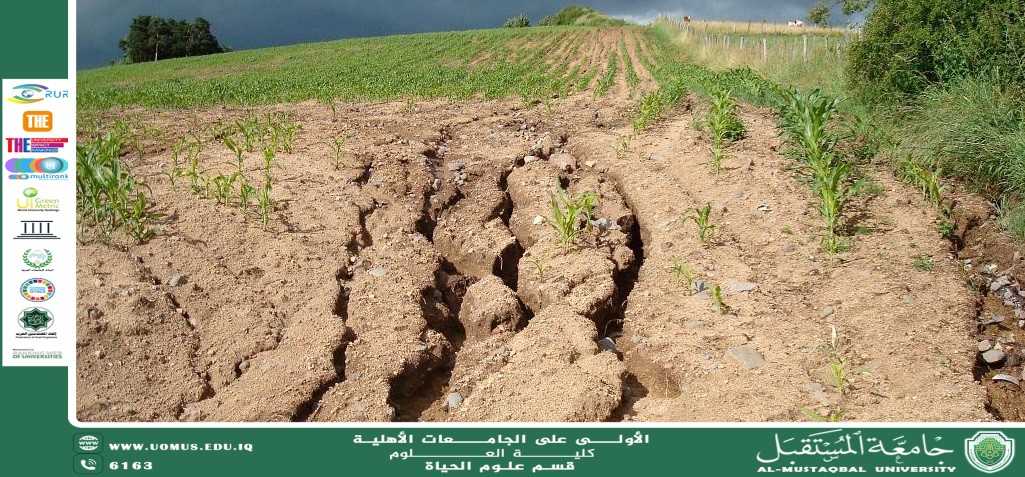
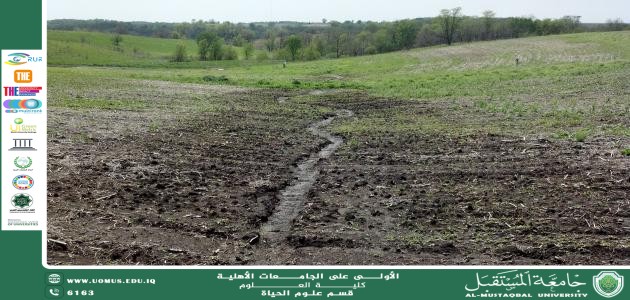
When rain falls directly on bare land, the force of raindrops breaks apart the topsoil and transports it downslope. However, vegetation intercepts rainfall, reducing the kinetic energy of raindrops and minimizing surface runoff.
Vegetation also enhances water infiltration into the soil rather than allowing it to wash away, helping conserve soil moisture and recharge groundwater.
3. Reducing Wind Erosion
In regions exposed to strong winds, vegetation slows down wind speed at the soil surface. Plants act as natural barriers that prevent the wind from carrying away fine soil particles. The denser and more evenly distributed the plant cover is, the more effective it is in mitigating wind erosion.
Low-growing plants and grasses provide direct protection to the soil surface by reducing wind turbulence.
4. Enhancing Soil Fertility
Vegetation not only protects the soil but also improves its long-term fertility. Decomposed plant materials add essential organic matter, which enriches the soil with nutrients. Roots also aerate the soil, increase its porosity, and improve its water-holding capacity.
These improvements make the soil more productive and more resilient to erosion.
5. Combating Desertification and Supporting Biodiversity
Vegetation cover plays a central role in combating desertification, a major threat to agricultural lands. Desertification often occurs when vegetation is lost due to overgrazing, drought, or unsustainable land use.
Healthy vegetation also supports biodiversity by providing habitats for microorganisms, insects, and wildlife, contributing to ecological balance.
6. Human Efforts to Protect Vegetation
Protecting vegetation cover requires several measures, including:
Preventing overgrazing
Applying conservation agriculture techniques
Reforestation and planting drought-resistant species
Sustainable water management
Enforcing laws to protect forests and natural rangelands
Al-Mustaqbal University is the first university in Iraq.