A Scientific Article by Instructor M.M. Duha Salah Sahib Entitled: “The Role of Organic Farming in Enhancing Environmental Sustainability and Achieving Comprehensive Development”
The Role of Organic Farming in Enhancing Environmental Sustainability and Achieving Comprehensive Development
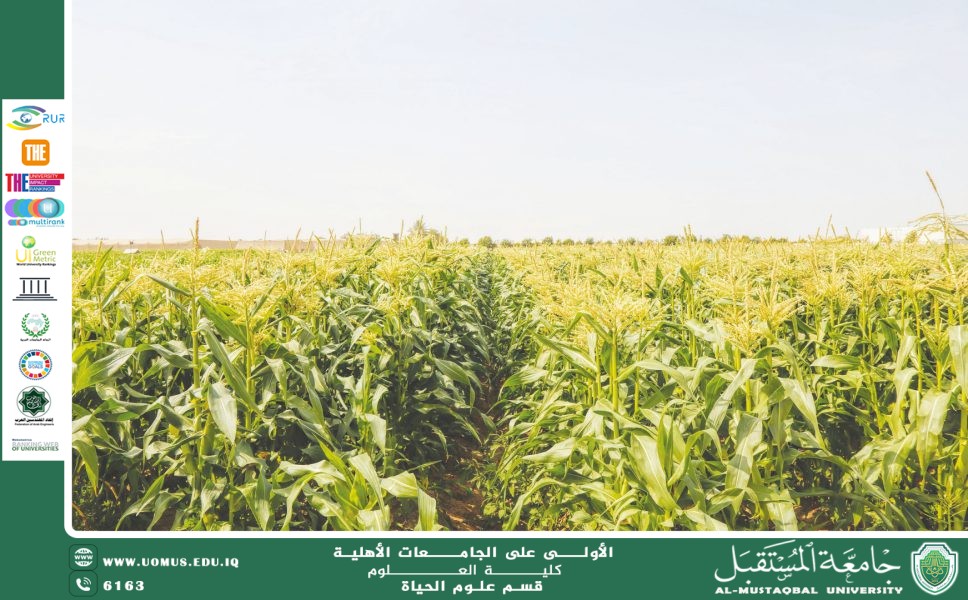
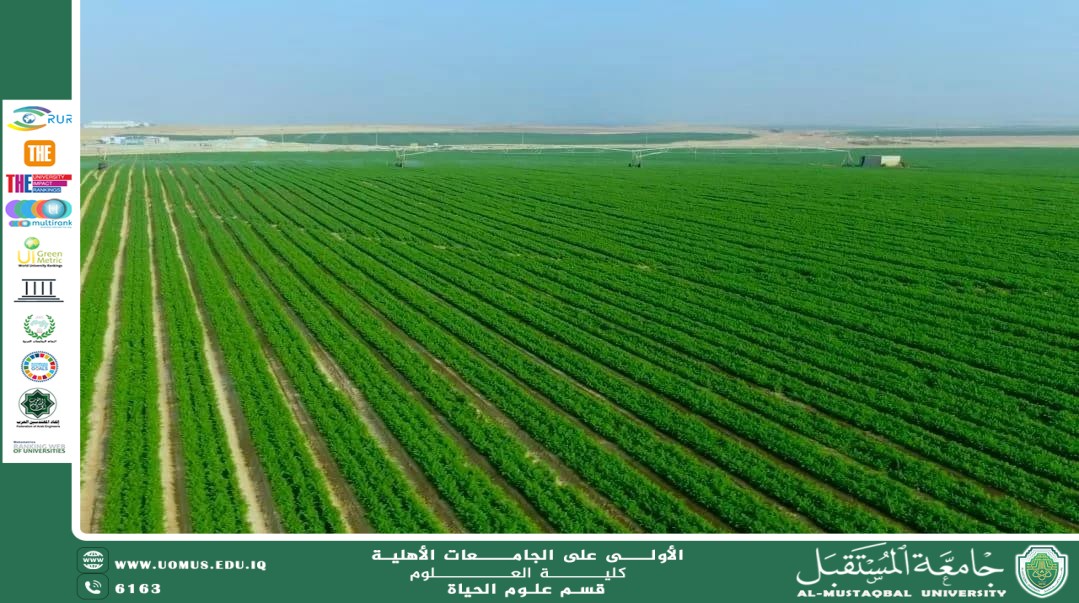
Organic farming is one of the most important modern agricultural approaches aimed at producing healthy and safe food while preserving the environment and its natural resources. Increasing global interest in organic practices stems from their ability to reduce pollution, improve soil fertility, and promote biodiversity, making them essential for achieving sustainable development.
1. What Is Organic Farming?
Organic farming is a production system that relies on natural and biological processes instead of chemical fertilizers and pesticides. It focuses on soil, water, and crop management in a way that maintains ecological balance.
2. How Organic Farming Supports Sustainability
Maintaining Soil Fertility
Organic practices increase organic matter and improve soil structure through natural fertilizers and crop rotations.
Reducing Environmental Pollution
Avoiding chemical inputs helps reduce contamination of water, air, and soil.
Enhancing Biodiversity
Organic systems encourage the presence of beneficial organisms such as insects, microbes, and birds.
Producing Safe and Nutritious Food
Organic products offer higher nutritional value and are free of harmful pesticide residues.
Supporting Local Economies
Organic farming creates new investment opportunities and increases demand for healthy foods.
3. The Link Between Organic Farming and Sustainable Development
This relationship appears in the ability of organic farming to meet the needs of the present while preserving resources for future generations. It:
Protects natural resources
Reduces climate change impacts
Improves quality of life in rural communities
Supports long-term food security
Conclusion
Organic farming is not just a dietary preference but a comprehensive developmental strategy that helps protect the environment, enhance human health, and build a sustainable and resilient agricultural economy.
-Mustaqbal University is the first university in Iraq