A scientific article by Assistant Professor Dr. Dalia Shaker Obeida, entitled: Catalepsy and its Relationship to Misdiagnosis of Death
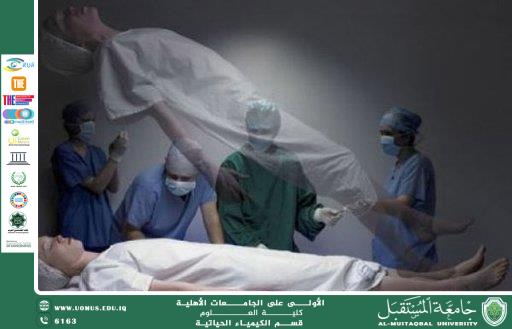
Catalepsy can sometimes lead to the mistaken suspicion of death, particularly in the absence of modern medical tools. This is due to a set of features that make the patient appear lifeless.
1. Absence of Movement:
The individual with catalepsy appears in a state of complete rigidity,without any voluntary movement or response to their surroundings.
2. Severe Decrease in Respiration:
Breathing becomes extremely slow and may be so shallow that it is difficult to detect with the naked eye,making the patient appear as if they are not breathing.
3. Weakened Responsiveness:
The person loses the ability to react to external stimuli,not responding to touch or sound, which may be mistakenly interpreted as a complete loss of consciousness or death.
4. Reason for the Prevalence of Errors in the Past:
Before the development of medical equipment,diagnosing death relied solely on observing breathing and pulse; indicators that may disappear or become severely weakened during a cataleptic episode.
5. How Modern Medicine Prevents These Errors:
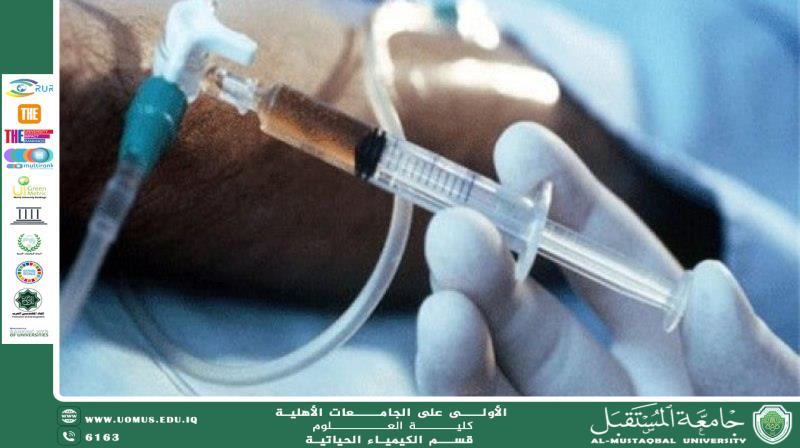
Diagnosis now relies on precise devices such as the electrocardiogram(ECG), electroencephalogram (EEG), and pupil examination, making the distinction between catalepsy and true death safe and accurate.
Conclusion:
Catalepsy may resemble the state of death in terms of rigidity,absence of movement, and slow breathing, which sometimes led to misdiagnoses in the past. Today, however, this has become very rare due to medical advancements.
Al-Mustaqbal University is the top-ranked private university in Iraq.