Modern Molecular Techniques for Identifying Insect Species Used in Forensic Evidence (M.M. Howayda Nazzal Hussein)
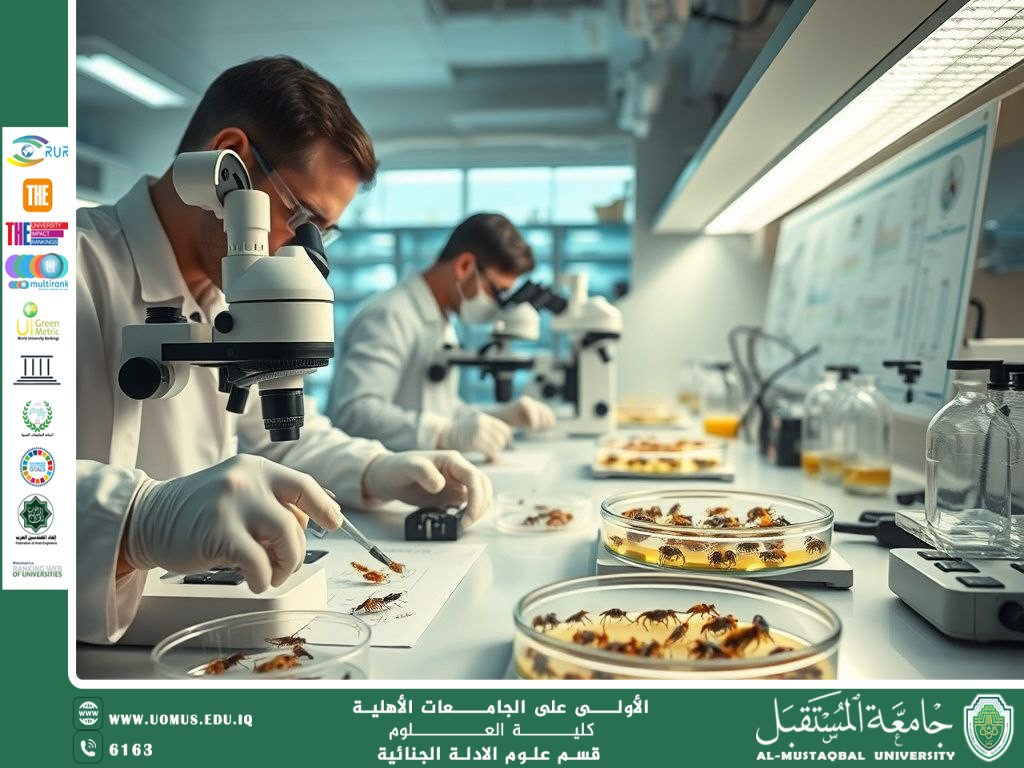
Forensic entomology is a modern scientific discipline that plays a significant role in criminal investigations by studying insects associated with human remains or crime scenes. Accurate identification of insect species is essential, as different species exhibit varying developmental rates and behaviors. With advances in biological sciences, modern molecular techniques have become powerful and reliable tools for identifying insect species used in forensic investigations.
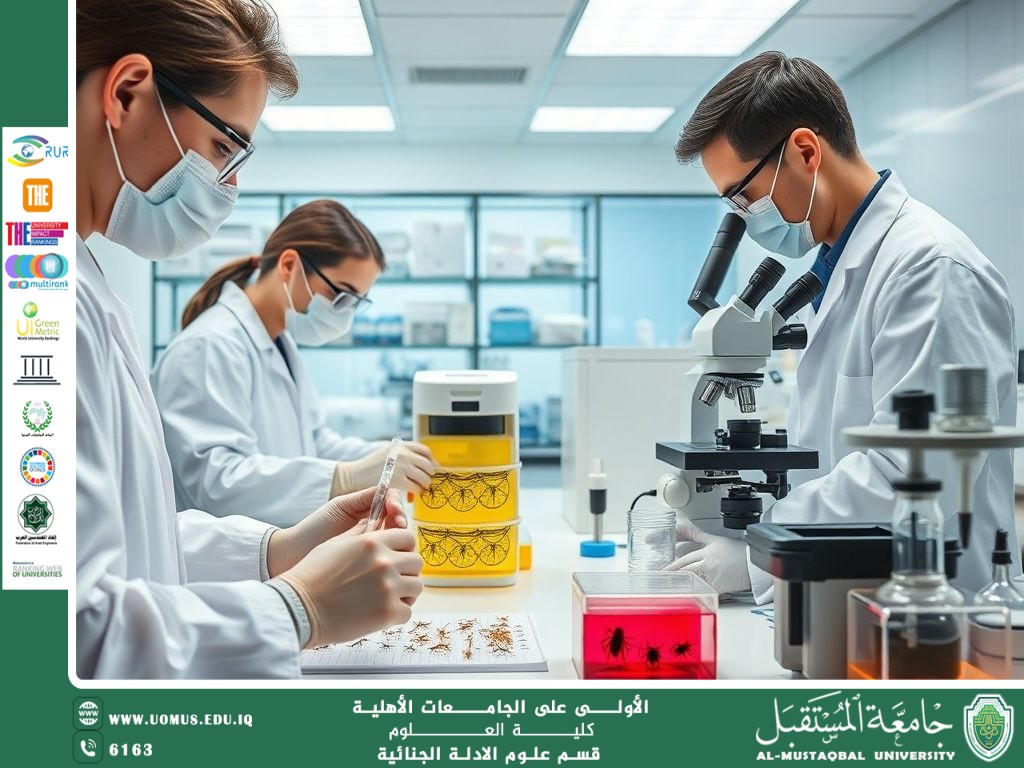
Molecular techniques are based on the analysis of genetic material (DNA), particularly in cases where morphological identification is difficult, such as larval stages or damaged specimens. One of the most commonly used methods is Polymerase Chain Reaction (PCR), which amplifies specific DNA regions, making them easier to analyze.
Mitochondrial DNA analysis, especially the Cytochrome c oxidase I (COI) gene, is widely used as a genetic barcode for insect species identification. This approach allows forensic experts to accurately distinguish between closely related species that may appear similar morphologically.
In addition, DNA sequencing techniques and international genetic databases are used to compare results and confirm species identity. These molecular methods have significantly reduced identification errors and increased the reliability of forensic entomological evidence in criminal cases.
In conclusion, modern molecular techniques represent a major advancement in forensic entomology by providing precise and reliable methods for insect species identification. Their application enhances the accuracy of postmortem interval estimation and strengthens forensic investigations with solid scientific evidence.
Al-Mustaqbal University – the first university in Iraq.
SDG4