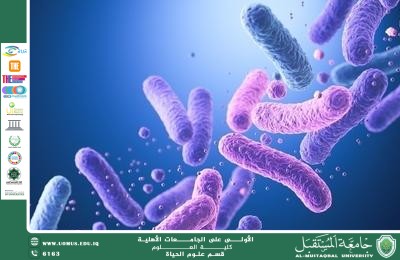

A scientific article by Lecturer M.M. Duha Salah Saheb entitled "Bacteria.. Their benefits, harms and impact on the environment and human health"
Bacteria are among the smallest living organisms but have a significant impact on both the environment and human life. They play a dual role, being either beneficial or harmful depending on their type and the environment they inhabit.
Benefits:
In Food Production: Bacteria are used in producing fermented foods such as yogurt, cheese, pickles, and kimchi, enhancing flavor and nutritional value.
In Medicine and Industry: Bacteria are exploited to produce antibiotics, vitamins, and industrial enzymes used in various medical and industrial applications.
In the Environment: Bacteria play a crucial role in decomposing organic matter and natural recycling in soil and water, helping maintain ecosystem balance, improve soil fertility, and support plant growth.
In Agriculture: Certain bacteria fix nitrogen in the soil, increasing crop productivity without the need for harmful chemical fertilizers.
Harms:
Infectious Diseases: Some bacteria cause serious diseases in humans and animals, such as gastrointestinal infections, pneumonia, food poisoning, and fever.
Environmental Pollution: Harmful bacteria can contaminate water and soil, spreading diseases and reducing environmental quality.
Antibiotic Resistance: Overuse and misuse of antibiotics have led to the emergence of resistant bacterial strains, posing a global health challenge.
Prevention and Control:
Maintain personal hygiene and sterilize food utensils and water.
Monitor food and water sources to ensure they are free from harmful bacteria.
Utilize beneficial bacteria in agriculture and industry to promote environmental and health sustainability