Predictive Medicine: How Intelligent Systems Help Prevent Diseases Before They Occur.
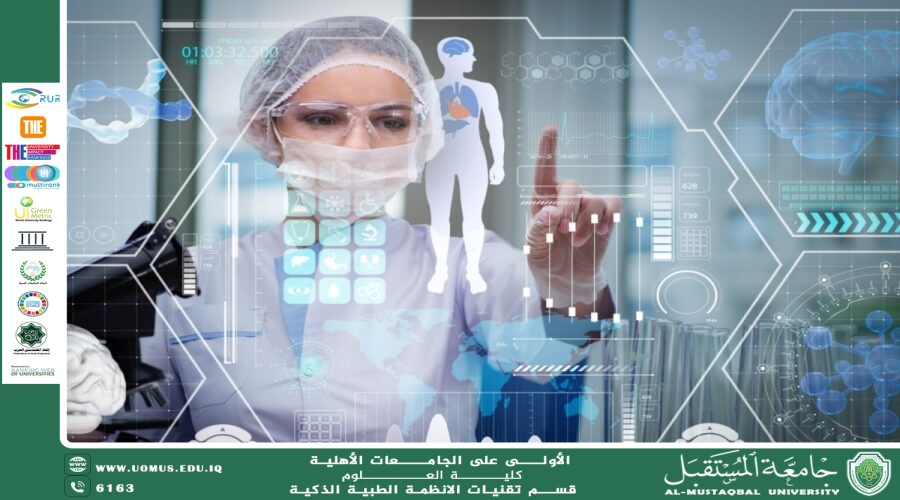
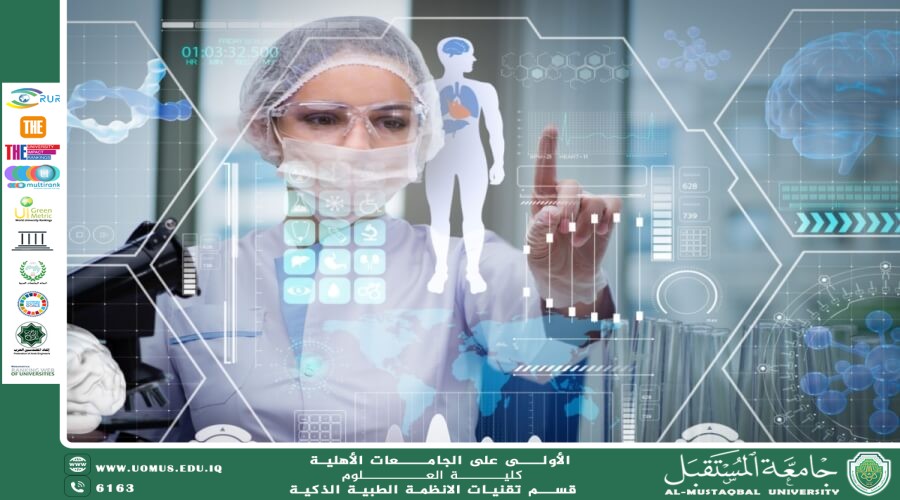
The healthcare sector today is witnessing a qualitative transformation driven by the rapid development of digital technologies and intelligent systems. Medicine is no longer limited to diagnosing diseases after they appear or treating them in advanced stages; instead, it is increasingly moving toward the concept of predictive medicine, which aims to anticipate diseases before they occur and take preventive measures. This approach represents one of the most prominent achievements of artificial intelligence and big data analytics in the medical field, offering vast potential to improve quality of life and reduce health and economic burdens.
Predictive medicine relies on collecting and analyzing large volumes of health data, such as electronic medical records, genetic information, lifestyle factors, and vital data gathered through smart devices and health applications. Intelligent systems use machine learning algorithms to analyze these data, uncovering hidden patterns and complex relationships that may not be easily detected by humans, thereby enabling the prediction of an individual’s likelihood of developing certain diseases in the future.
These systems contribute significantly to the early detection of many chronic and serious diseases, including heart disease, diabetes, and cancer, by analyzing subtle indicators that may not initially seem concerning. For example, intelligent systems can predict the risk of cardiovascular diseases by examining slight changes in blood pressure, heart rate, or physical activity levels, allowing for early intervention before the condition worsens.
Predictive medicine also plays a crucial role in personalizing healthcare, as intelligent systems help physicians develop preventive and therapeutic plans tailored to each individual based on their health and genetic characteristics. This approach reduces reliance on generalized treatment methods and enhances the effectiveness of prevention by providing accurate recommendations related to nutrition, physical activity, and a healthy lifestyle that best suits each person.
Another important aspect of predictive medicine is its role in supporting medical decision-making. Intelligent systems provide advanced analytical tools that assist physicians in making faster and more accurate decisions. Instead of relying solely on personal experience, doctors can benefit from data-driven analyses and scientifically supported predictions, which reduce the likelihood of error and improve the quality of healthcare services.
Despite the significant benefits of predictive medicine, several challenges must be addressed, most notably data protection and privacy issues, ensuring the accuracy of algorithms, and the need to train medical personnel capable of working with these advanced technologies. However, continuous progress in cybersecurity and artificial intelligence ethics is helping to overcome many of these challenges.
In conclusion, predictive medicine represents a qualitative shift in the concept of healthcare, moving medical systems from a reactive to a proactive approach in combating diseases. With the continued evolution of intelligent systems, preventing diseases before they occur is expected to become a tangible reality, contributing to the development of healthier and more sustainable societies and strengthening the role of intelligent technology in serving humanity.
Al-Mustaqbal University is the First University in Iraq.