

Criminal Evidence and Its Role in Criminal Proof under Iraqi Legislation(M.M. Fatima Abbas Barhi)
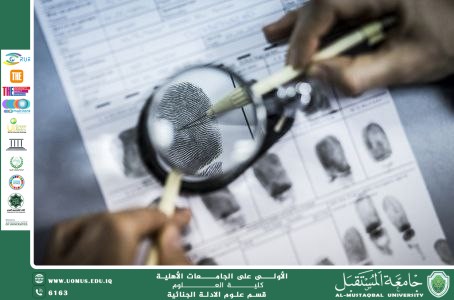
Criminal evidence is considered one of the fundamental means of proof in criminal proceedings, due to Its essential role in uncovering the truth and identifying the perpetrator, thereby contributing to the achievement of criminal justice. The Iraqi legislator has addressed criminal evidence by regulating investigative and evidentiary procedures, while subjecting it to legal safeguards that ensure its legitimacy and protect the rights of all parties involved in the case.
The Iraqi criminal evidentiary system is based on the principle of the court’s conviction formed from the evidence presented, as stipulated in Article (213/First) of the Iraqi Code of Criminal Procedure No. (23) of 1971. This article provides that the court adjudicates a criminal case based on the conviction formed from the submitted evidence. From this provision, It is inferred that criminal evidence, like other forms of evidence, Is subject to the court’s discretion and is not binding per se, but rather evaluated according to the circumstances of each case.
The Iraqi Code of Criminal Procedure also regulates the procedures of investigation, during which criminal evidence is collected. The investigating judge is granted broad powers to conduct the investigation and take necessary measures to uncover the crime, as set forth in Articles (52 and following), whichh provide the legal basis for handling material and technical evidence related to the crime.
Furthermore, the legislator permits the use of technical expertise whenever a case requires specialized knowledge beyond the judge’s competence. Article (70) of the Code allows the court or Investigative authorities to seek the assistance of experts. This provision forms the legal basis for relying on forensic reports issued by competent authorities, including medical and laboratory examinations, which strengthen the court’s conviction and assist It in establishing the truth.
Additionally, Iraqi legislation emphasizes the legality of criminal evidence, stipulating that evidence obtained unlawfully or in violation of human rights cannot be relied upon. This principle aligns with the provisions of the Constitution of the Republic of Iraq of 2005, particularly Article (19/Fifth), whichh establishes the presumption of innocence, and Article (19/Third), whichh guarantees the right to a fair trial. These constitutional guarantees impose legal limits on the powers of law enforcement and investigative authorities when collecting evidence.
In conclusion, criminal evidence occupies a central role in criminal proof under Iraqi legislation. Its legal value, however, depends on adherence to legally prescribed procedures and the court’s discretionary authority in assessing the evidence, thereby balancing society’s interest in combating crime with the protection of individual rights and freedoms.
Al-Mustaqbal University – the first university in Iraq.
SDG4