Artificial Intelligence and Its Role in Advancing Biomedical Engineering Abstract
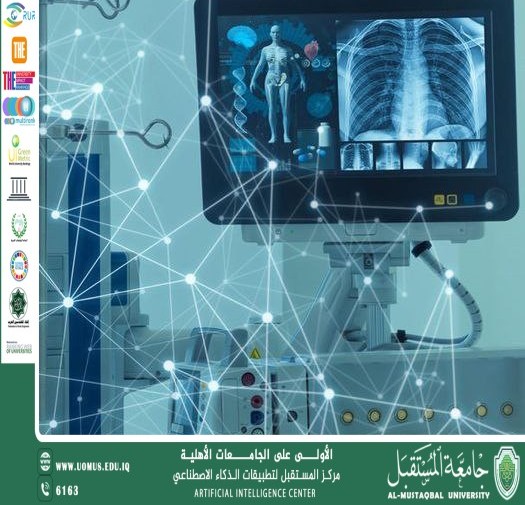
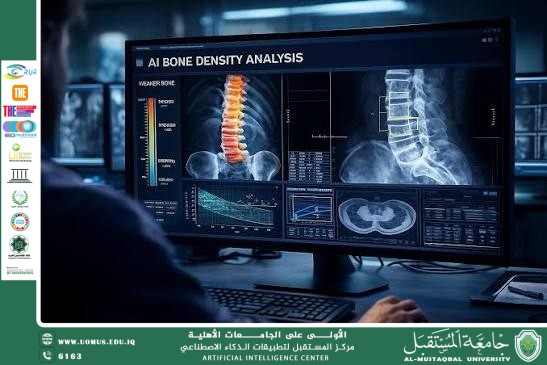
Artificial Intelligence and Its Role in Advancing Biomedical Engineering Abstract The rapid advancement of artificial intelligence (AI) technologies has led to a fundamental transformation in many scientific fields, foremost among them biomedical engineering. This paper aims to highlight the role of artificial intelligence in the development of modern medical systems, improving diagnostic accuracy, and supporting medical decision-making, in addition to discussing the most prominent ethical and technical challenges associated with applying these technologies in the healthcare sector. 1. Introduction Biomedical engineering is a multidisciplinary field that combines engineering and medical sciences, aiming to develop technological solutions that serve healthcare. With the significant increase in the volume and complexity of medical data, it has become difficult to handle such data using traditional methods. Consequently, artificial intelligence has emerged as an effective tool capable of analyzing large-scale medical data and extracting precise patterns that contribute to improving healthcare services. 2. Concept of Artificial Intelligence in Biomedical Engineering Artificial intelligence is a branch of computer science concerned with designing systems capable of simulating human intelligence, such as learning, reasoning, and problem-solving. In biomedical engineering, AI is used to analyze biomedical signals, process medical images, and predict disease conditions, thereby providing advanced technical support for physicians and biomedical engineers. 3. Applications of Artificial Intelligence in Biomedical Engineering 3.1 Medical Image Analysis Artificial intelligence is widely used in the analysis of medical images such as X-rays, magnetic resonance imaging (MRI), and computed tomography (CT). Intelligent algorithms assist in the early detection of tumors and diseases and improve diagnostic accuracy compared to traditional methods. 3.2 Intelligent Medical Devices Artificial intelligence has contributed to the development of smart medical devices capable of continuously monitoring a patient’s vital signs, such as heart rate and blood pressure, and sending instant alerts in the event of any abnormality, thereby enhancing the speed of medical response. 3.3 Prosthetics and Medical Robotics Among the most notable AI applications is the development of intelligent prosthetic limbs that interact with the patient’s neural signals, in addition to surgical robots that assist in performing precise operations, reducing surgical errors, and improving surgical outcomes. 4. Benefits of Artificial Intelligence in the Medical Field Artificial intelligence contributes to improving the efficiency of the healthcare system through: Enhancing the accuracy and speed of medical diagnosis Reducing human errors Supporting medical decision-making Improving the quality of healthcare services Reducing operational costs in the long term 5. Ethical and Technical Challenges Despite its significant benefits, artificial intelligence in biomedical engineering faces several challenges, most notably: Protecting the privacy of medical data Ensuring the accuracy and reliability of intelligent systems Ethical issues related to reliance on automated systems The need for regulations governing the use of artificial intelligence in the healthcare sector 6. Conclusion This paper demonstrates that artificial intelligence has become an essential element in the advancement of biomedical engineering and has significantly contributed to improving diagnosis, treatment, and the design of modern medical devices. However, maximizing the benefits of these technologies requires a balance between technological progress and ethical and human considerations, to ensure safe and effective use that serves human health. Author: Engineer Ahmed Saleem Munghr
Images Attachments