An article "The Integration of Traditional Drawing and Digital Technologies in Contemporary Art Production" By Muhammad Yaarub
28/12/2025 Share :
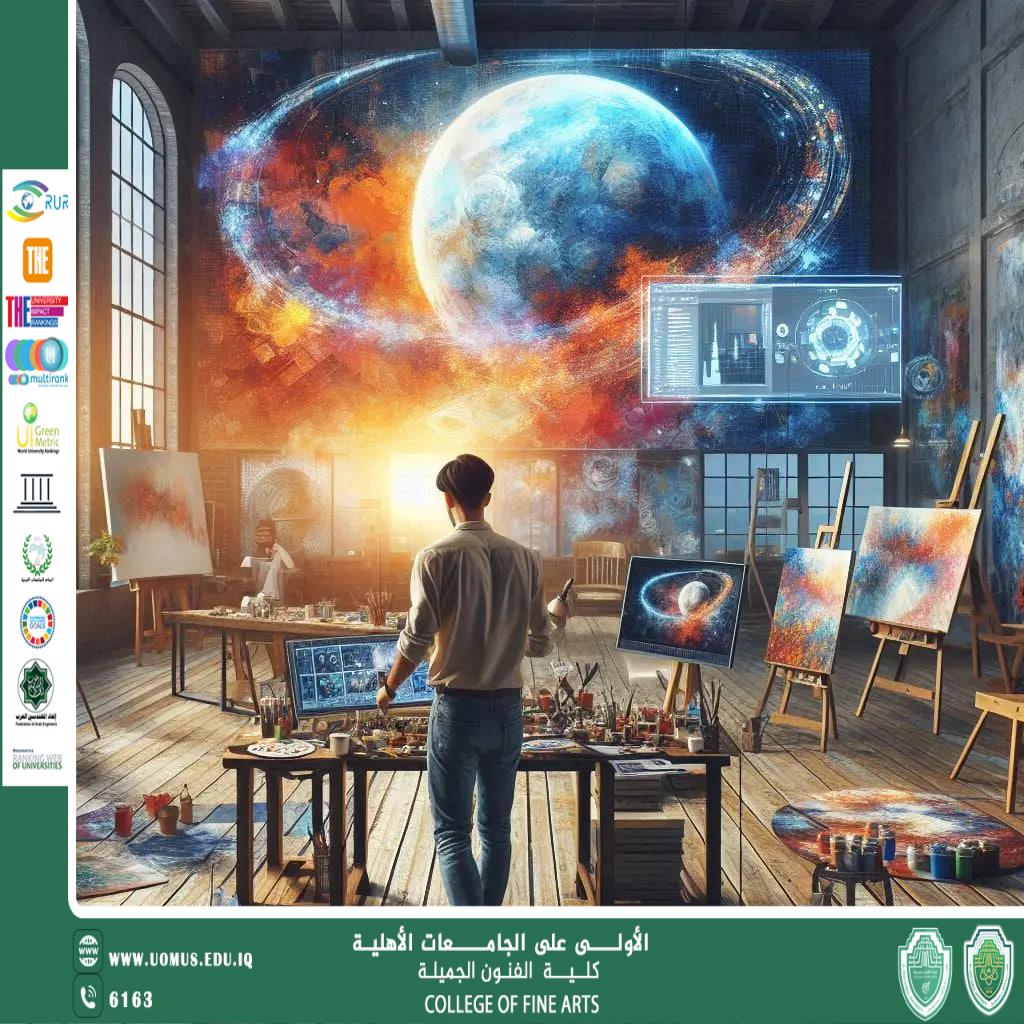
Contemporary art has witnessed significant transformation due to rapid technological advancements, leading to new forms of artistic production based on the integration of traditional drawing and modern digital technologies. This integration is no longer viewed as a conflict between authenticity and modernity, but rather as a creative space that combines manual sensitivity, technical skill, and contemporary artistic vision.
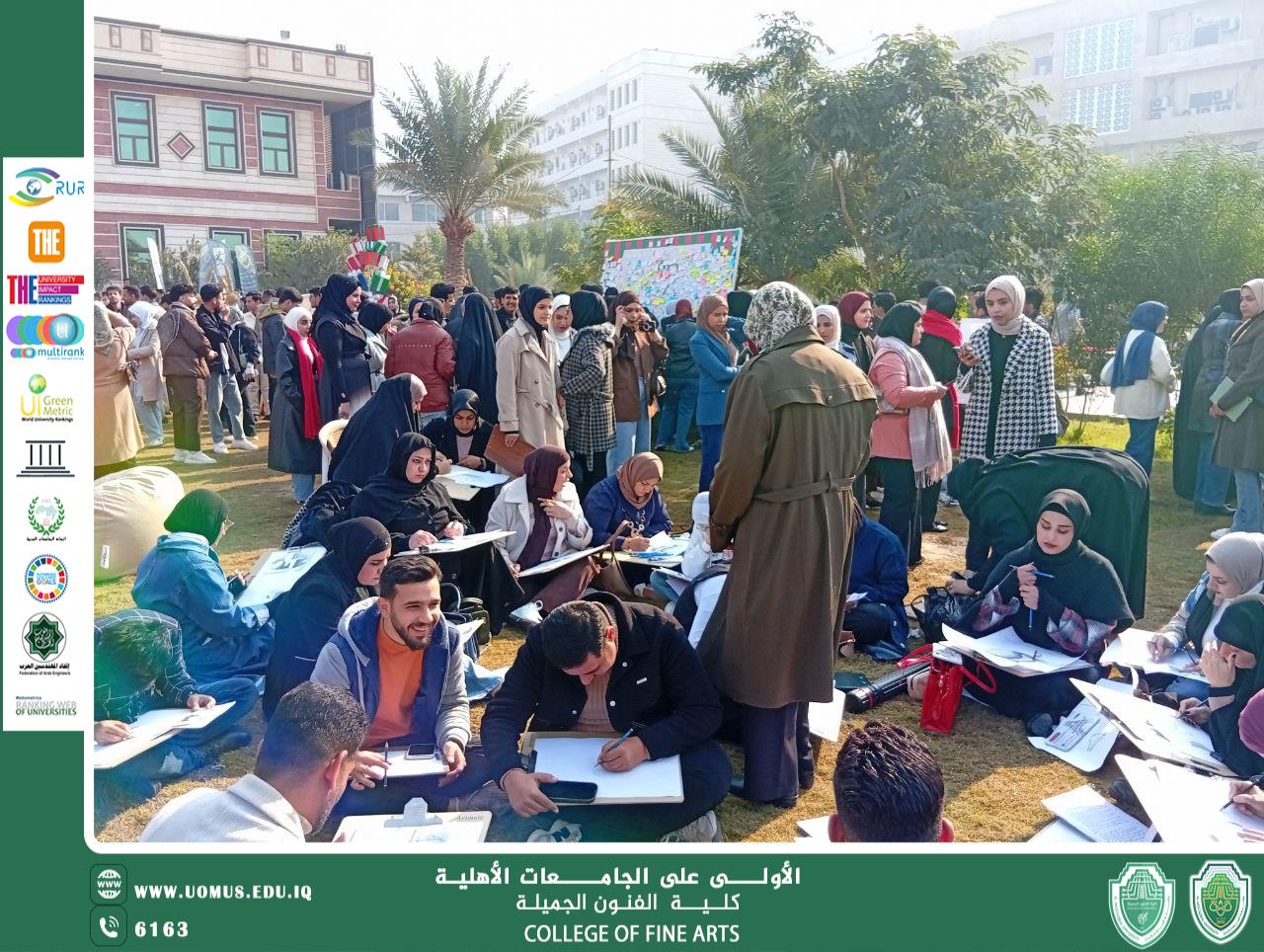
Traditional drawing represents the fundamental foundation of artistic formation, as it establishes essential concepts such as line, composition, proportion, light, and shadow, while developing visual perception and accurate observation. These skills form an indispensable visual and cognitive base, even in the age of advanced digital tools. Artists with strong traditional drawing backgrounds are better equipped to employ digital technologies with artistic awareness and critical insight.
On the other hand, digital technologies have provided artists with vast opportunities for experimentation and development through digital drawing and design software. These tools offer flexible control over colors, layers, and visual effects, along with the ability to continuously modify artworks without losing the original structure. This has contributed to accelerating artistic production, expanding expressive possibilities, and opening new channels for exhibition, publication, and audience engagement.
The essence of integrating traditional drawing with digital technologies lies in utilizing each medium in service of the artistic concept. Many artists begin their creative process with hand-drawn sketches and foundational compositions, then move to digital processing to add depth, color, or visual effects. The result is artwork that merges the warmth of human touch with the precision of modern technology.
In academic contexts, this integration plays a vital role in developing art curricula by combining traditional practical training with digital education. Such an approach enhances students’ skills, prepares them for the contemporary art market, fosters innovation, and promotes sustainable learning while preserving artistic roots.
Accordingly, the integration of traditional drawing and digital technologies aligns with Sustainable Development Goal 4: Quality Education (SDG 4) by providing inclusive and high-quality art education that blends theoretical knowledge with practical application, promotes creativity and digital skills, and prepares artists to meet contemporary challenges while maintaining artistic identity.
Almustaqbal University, The First University in Iraq.