An article "Artistic Freedom and Its Legal Limits in Contemporary Societies" By muntadher hussien
28/12/2025 Share :
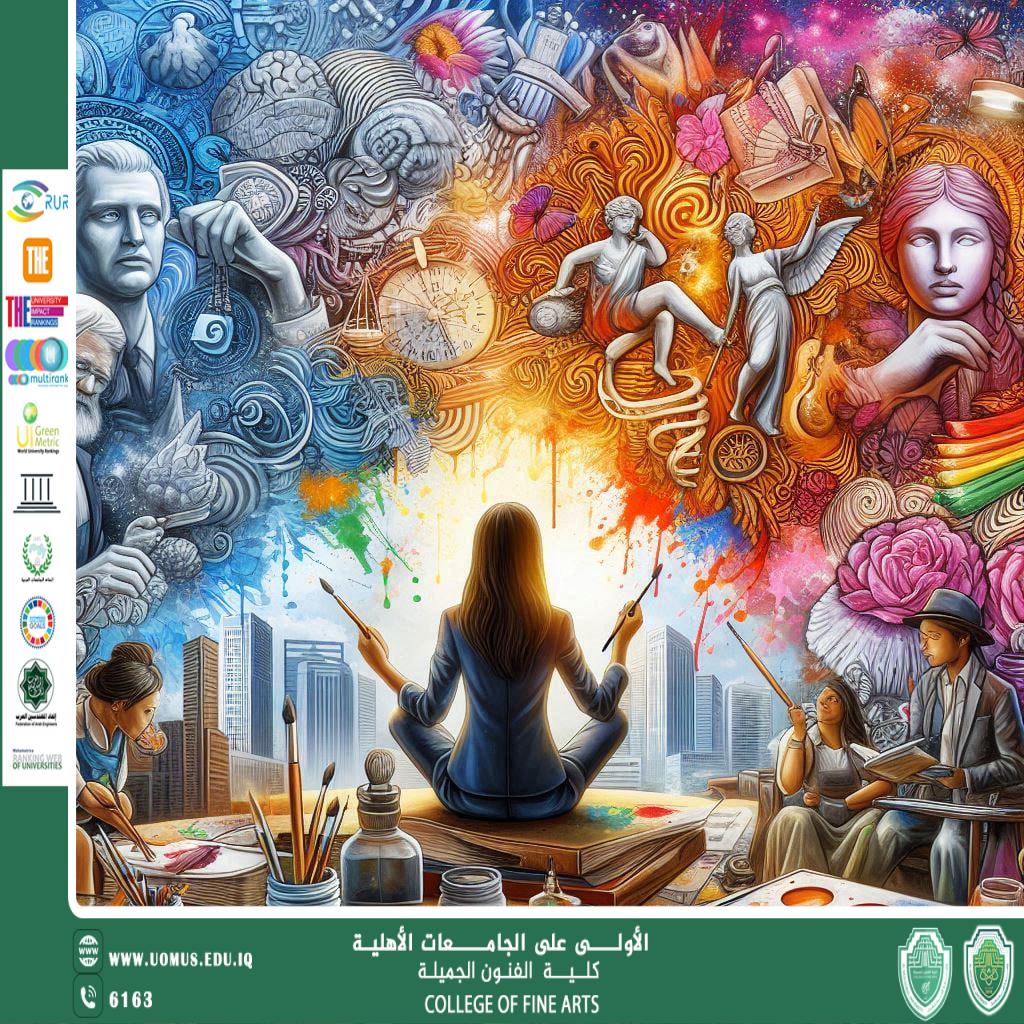
Artistic freedom is considered one of the fundamental pillars of any society that seeks cultural and intellectual development. It enables artists to express their ideas, visions, and emotions through visual, auditory, or literary forms that reflect human reality and anticipate future horizons. Art is widely regarded as a free space for experimentation, critique, and reflection, and as an effective medium for addressing social, cultural, and political issues in creative and indirect ways.
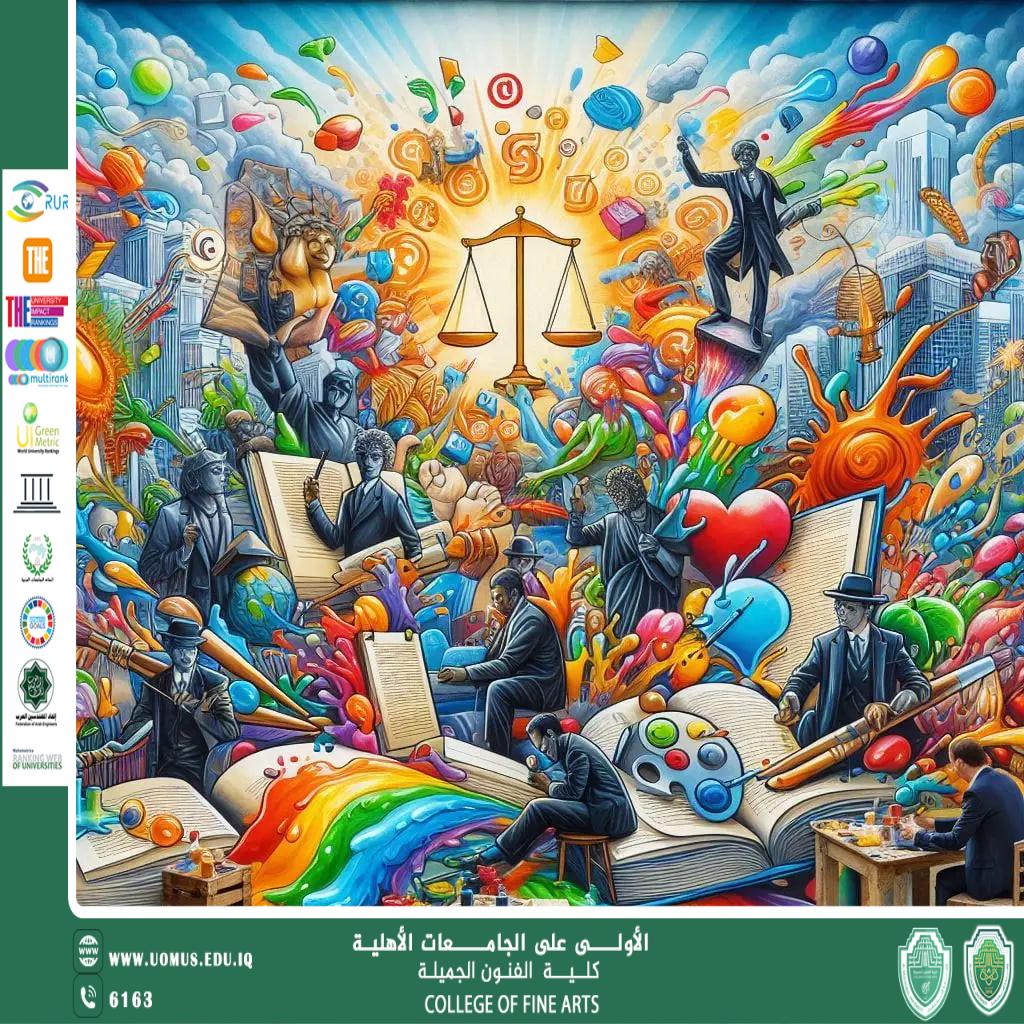
However, despite its importance, artistic freedom is not practiced in isolation from the legal framework that regulates social life and protects individual rights. Laws and regulations aim to maintain a balance between freedom of expression on one hand and respect for societal values, public order, and individual rights on the other. This creates an ongoing debate regarding the relationship between artistic freedom and its legal boundaries, which vary according to cultural, religious, and political contexts.
Legal limits on artistic creativity often involve issues such as the protection of public morals and order, respect for religious beliefs, avoidance of incitement to violence or hatred, protection of intellectual property rights, and prevention of defamation. Artists are expected to be aware of these boundaries, not as constraints that suppress creativity, but as a framework for responsible freedom that safeguards the rights of others.
On the other hand, laws may sometimes become restrictive tools when interpreted rigidly or used to suppress constructive criticism and free artistic expression. This highlights the role of cultural and academic institutions in raising legal awareness among artists and advocating for balanced legislation that protects creative freedom while respecting societal values.
Art education plays a crucial role in promoting the concept of responsible creativity by fostering dialogue, respect for diversity, critical thinking, and awareness of legal and ethical considerations. An artist who is legally aware is better equipped to convey meaningful messages effectively without facing legal or social conflicts that may hinder creative development.
Accordingly, the topic of artistic freedom and its legal limits aligns with Sustainable Development Goal 4: Quality Education (SDG 4) by promoting inclusive education that enhances cultural and legal awareness, supports critical thinking, and prepares artists to exercise their creative freedom responsibly within society.
Almustaqbal University, The First University in Iraq.