An article "Information Technology and Artificial Intelligence in Promoting Digital Justice and Equal Access to Information" By programming fatima hussien
28/12/2025 Share :
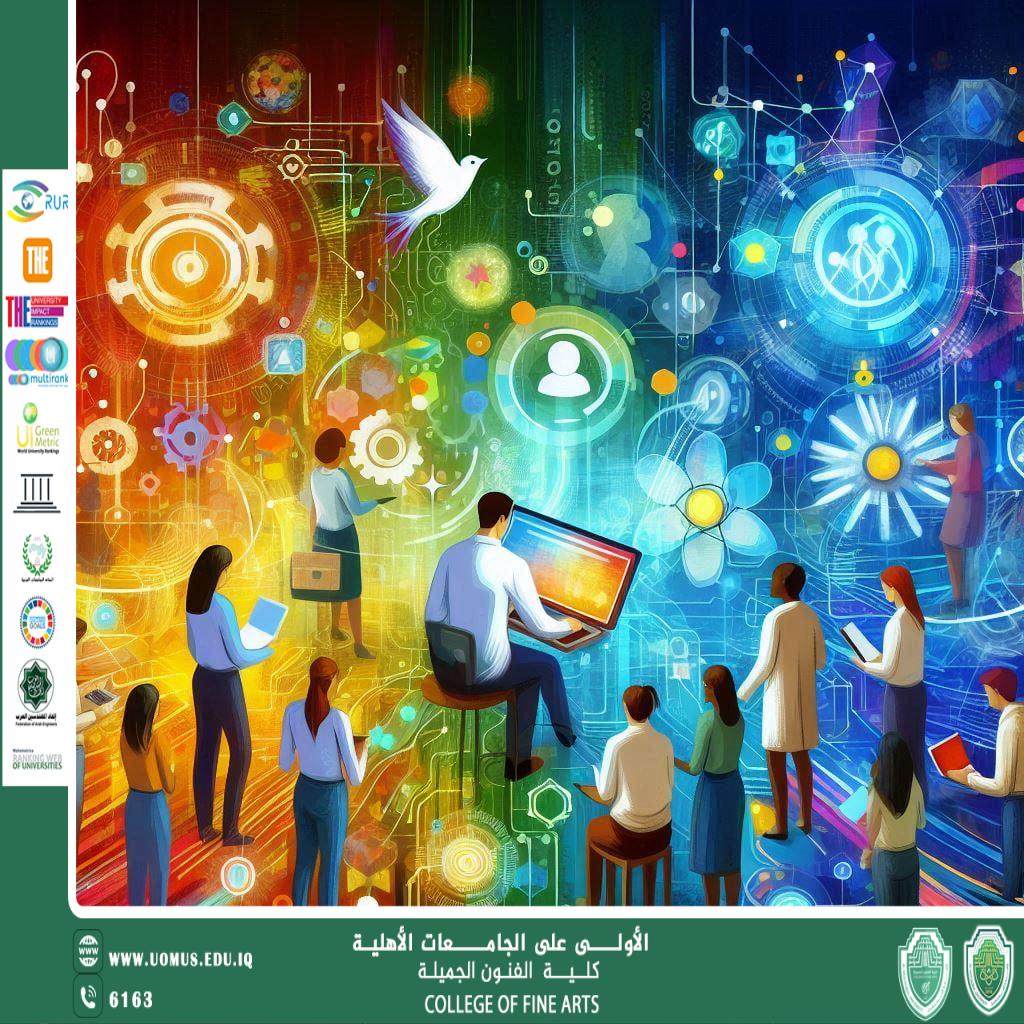
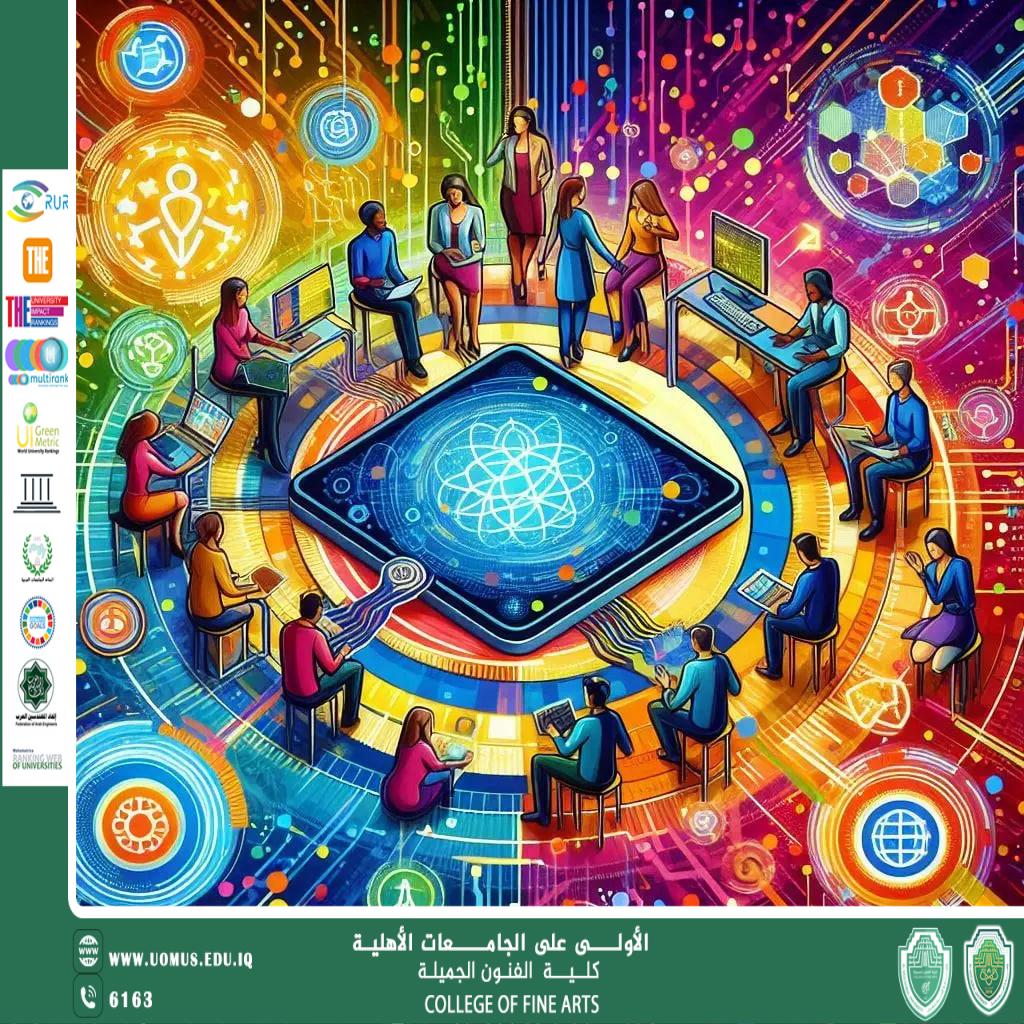
Information technology and artificial intelligence have become fundamental pillars in building modern knowledge-based societies, as they provide advanced tools that accelerate the dissemination of knowledge and expand access to information. In the context of rapid digital transformation, the concept of digital justice has emerged as a key contemporary challenge, closely linked to ensuring equal access to information and digital services for all individuals, regardless of geographical location, economic status, or educational background.
Information technology plays a vital role in narrowing the digital divide by developing digital infrastructure, providing open educational platforms, and offering electronic knowledge resources at low cost or free of charge. Cloud computing and internet technologies have further enabled individuals and institutions to access information anytime and anywhere, enhancing opportunities for self-learning and knowledge sharing.
Artificial intelligence, in turn, serves as an effective tool for achieving equality in access to information through intelligent search systems, machine translation, digital assistants, and accessibility technologies for individuals with visual or hearing impairments. These technologies help personalize content according to users’ needs, simplify complex information, and overcome linguistic and cognitive barriers, ensuring that knowledge reaches the widest possible segment of society.
Nevertheless, the application of artificial intelligence must be accompanied by ethical standards, data protection, and privacy safeguards to prevent the emergence of new forms of digital discrimination. Achieving digital justice requires informed educational and technological policies that promote digital literacy, transparency, and responsible use of advanced technologies.
In this context, educational institutions play a crucial role in preparing generations capable of critically and ethically engaging with information technology and artificial intelligence to support sustainable development. Accordingly, this approach aligns with Sustainable Development Goal 10: Reduced Inequalities (SDG 10) by promoting equal access to digital knowledge, empowering marginalized groups, and ensuring fair participation in the benefits of technological advancement.
Almustaqbal University, The First University in Iraq.