Green Education and Its Sustainable Impact on Building Contemporary Societies
03/01/2026 Share :
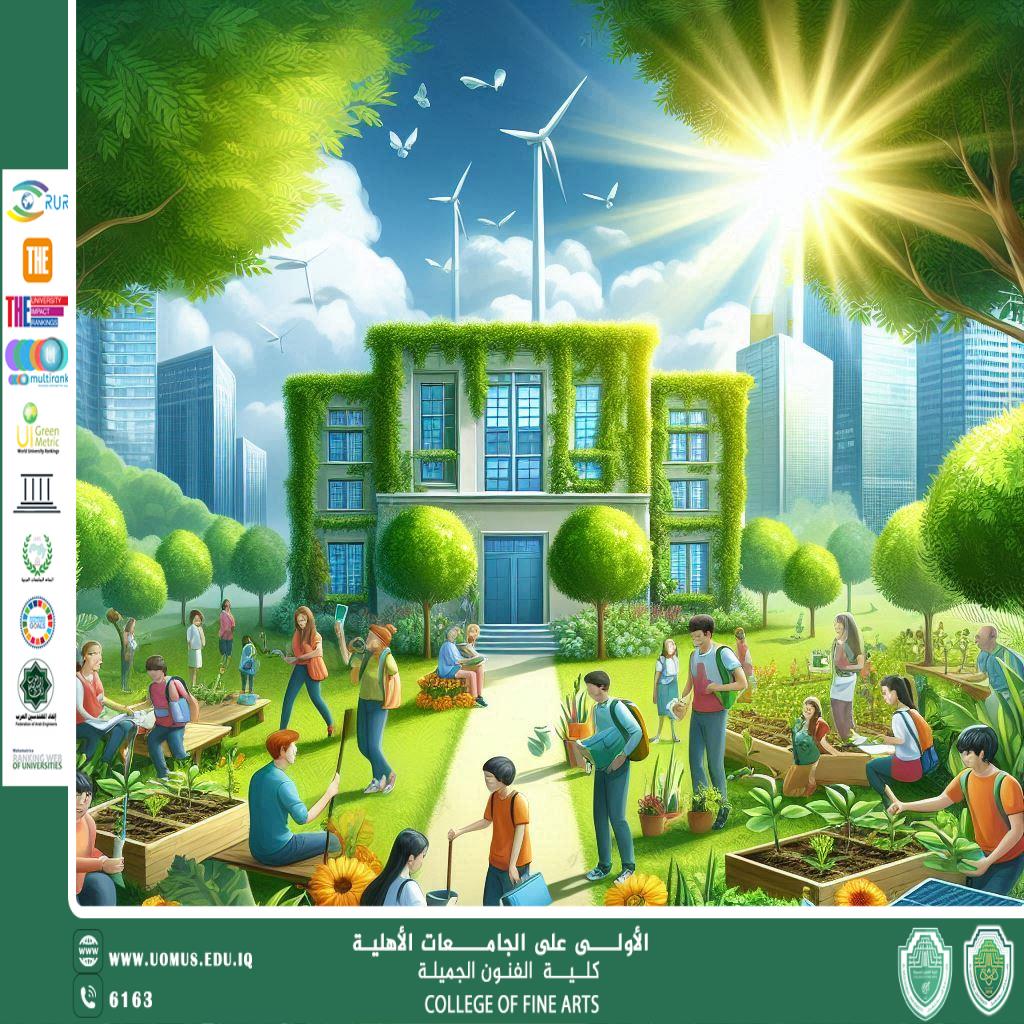
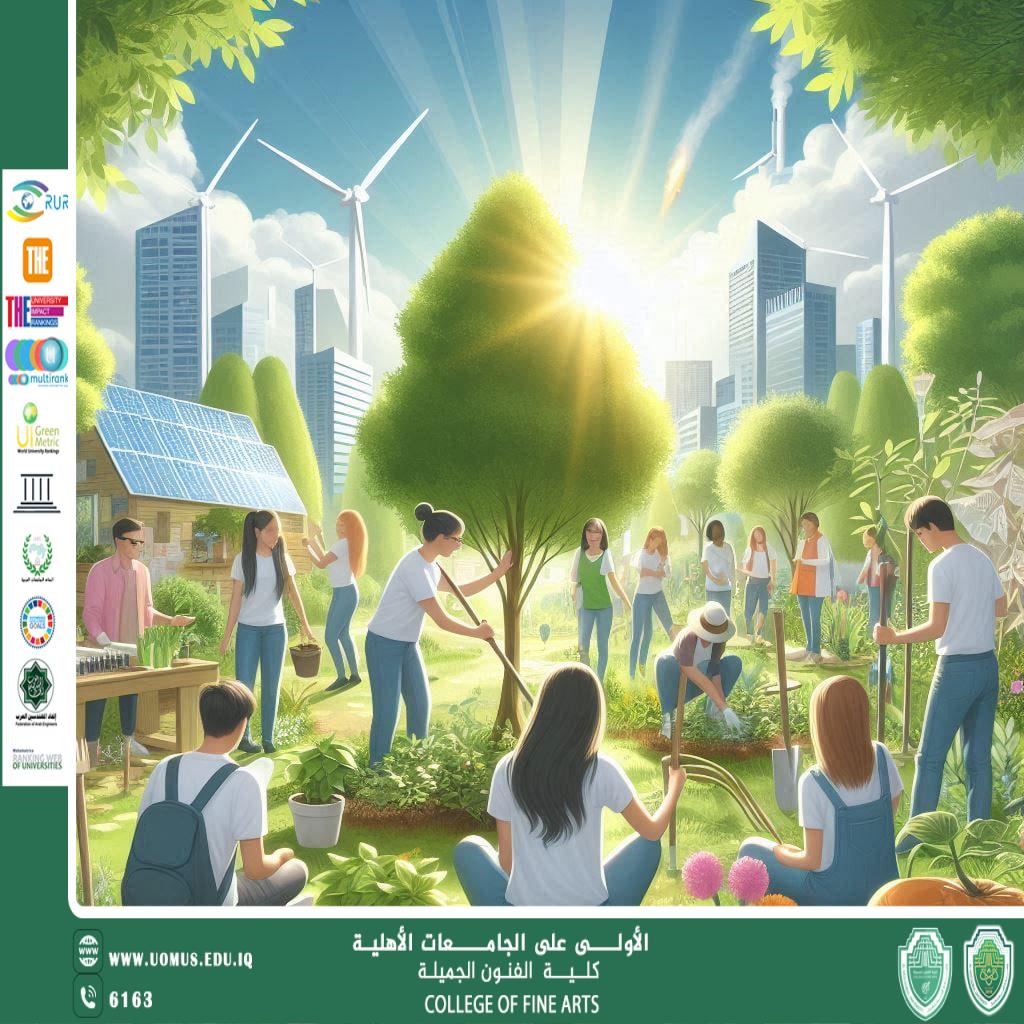
Green education is considered one of the modern educational approaches that aims to integrate the principles of environmental sustainability into the learning process, with the goal of building social awareness capable of protecting the environment and achieving a balance between development needs and the preservation of natural resources. Green education is no longer an intellectual luxury; it has become an urgent necessity in light of the growing environmental challenges facing contemporary societies, such as climate change, pollution, and resource depletion.
Green education focuses on developing positive behaviors among individuals from early educational stages by promoting values of environmental respect, rational use of resources, and a sense of individual and collective responsibility toward nature. It also contributes to preparing conscious generations capable of making sustainable decisions in their daily and professional lives.
Educational institutions play a vital role in implementing green education by integrating sustainability concepts into curricula, organizing environmental activities, and encouraging students to innovate eco-friendly solutions. This approach helps build more aware societies that are able to adapt to environmental changes and achieve comprehensive and sustainable development.
The sustainable impact of green education is not limited to the environmental dimension; it also extends to social and economic aspects by promoting teamwork, achieving environmental justice, and supporting the green economy, which positively reflects on the stability and progress of contemporary societies.
Achieved Sustainable Development Goal: This topic aligns with Sustainable Development Goal 4 "Quality Education" by promoting education that supports sustainable development, and it is also linked to Goal 13 "Climate Action" through raising environmental awareness and fostering responsible environmental behavior.
Almustaqbal University, The First University in Iraq.