Air Pollution
07/01/2026 Share :
Air Pollution
Lecturer: Rafal Fawzi Karim
Air pollution is considered one of the most serious environmental problems facing the world in the modern era, due to its negative effects on human health, the environment, and the climate. Air pollution refers to the presence of harmful substances in the atmosphere, such as toxic gases and fine particles, in concentrations that exceed natural limits, leading to an imbalance in the environmental system.
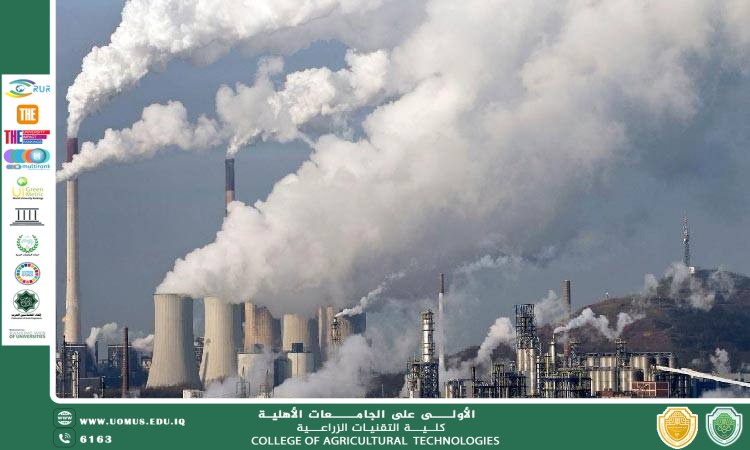
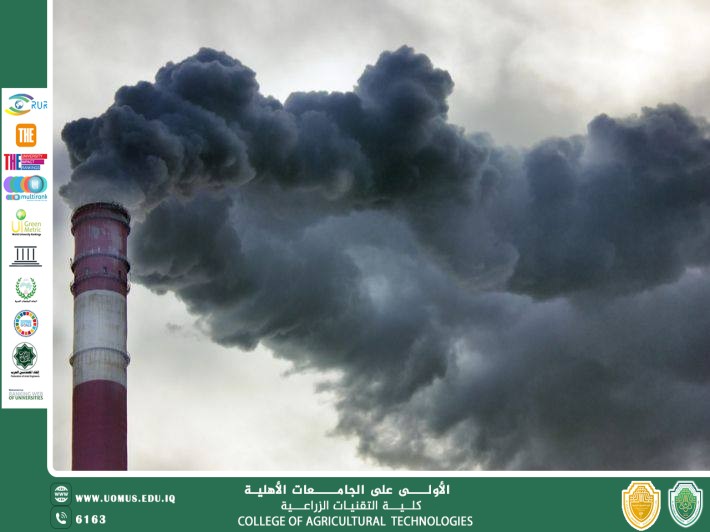
One of the main causes of air pollution is human activity, especially emissions from cars and vehicles that release gases such as carbon monoxide and nitrogen dioxide. Factories and power plants also contribute significantly to air pollution by emitting large amounts of smoke and harmful gases as a result of burning fossil fuels such as coal and oil. In addition, waste burning, deforestation, and forest fires play a major role in increasing air pollution and reducing oxygen levels.
The effects of air pollution are numerous and clearly visible on human health, as it causes respiratory diseases such as asthma and bronchitis, and in severe cases may lead to serious illnesses over time. Air pollution also affects the environment by damaging plants and causing acid rain, which harms soil and water resources, in addition to contributing to global warming and climate change.
To address this problem, a set of effective solutions must be adopted, such as reducing the use of private cars and relying on public transportation, encouraging the use of clean energy sources like solar and wind power. It is also necessary to enforce strict laws to limit factory emissions, increase green areas, and raise environmental awareness among community members about the importance of maintaining clean air.
Al-Mustaqbal University is ranked first among private universities in Iraq.