Al-Hariri’s Maqamat and Al-Wasiti: An Artistic Dialogue Between Text and Image
24/01/2026 Share :
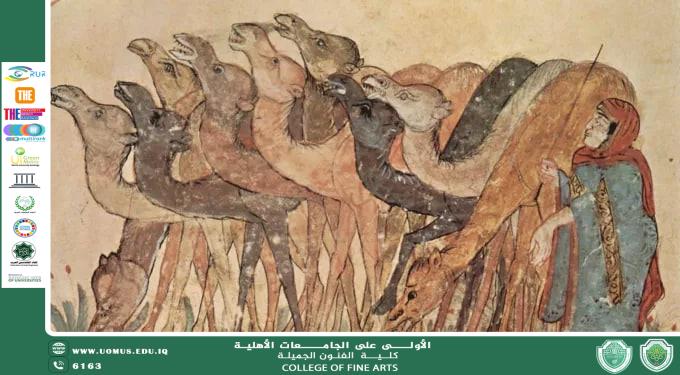
Al-Hariri’s Maqamat are considered among the most prominent literary works in Arabic heritage due to their linguistic richness and narrative sophistication. These texts gained a unique visual dimension through the illustrations created by the artist Yahya ibn Mahmoud Al-Wasiti. The interaction between literary text and visual art resulted in a comprehensive artistic experience that transcended the written word and entered a vibrant pictorial space.
Al-Hariri composed his maqamat using a refined narrative style based on eloquent language and intelligent dialogue, centering on the character of Abu Zayd Al-Saruji as a complex human figure embodying wit, knowledge, and rhetorical mastery. Al-Wasiti, in turn, translated this literary world into a visual language that did not merely illustrate the text but expanded its meanings through imagination, composition, color, and movement.
Al-Wasiti did not adhere strictly to literal representation. Instead, he approached the maqamat as a creative foundation, enriching the narrative scenes by depicting daily life, social environments, and expressive human features. His attention to facial expressions, body movement, and spatial organization transformed the illustrations into visual documents that reflect the realities of Abbasid society.
The works of Al-Wasiti demonstrate a sophisticated artistic awareness of the relationship between text and image, where the painting becomes an independent yet complementary discourse to the literary narrative. These illustrations reveal the power of visual art to transcend time and place, transforming written language into a vivid sensory experience with universal human appeal.
Together, Al-Hariri’s Maqamat and Al-Wasiti’s illustrations represent an early model of integration between literature and visual art, affirming that creativity is not confined to a single form but flourishes through the interaction of artistic disciplines. This synergy grants the work its enduring cultural and artistic significance.
Almustaqbal University, The First University in Iraq.
الهدف الرابع (التعليم الجيد)