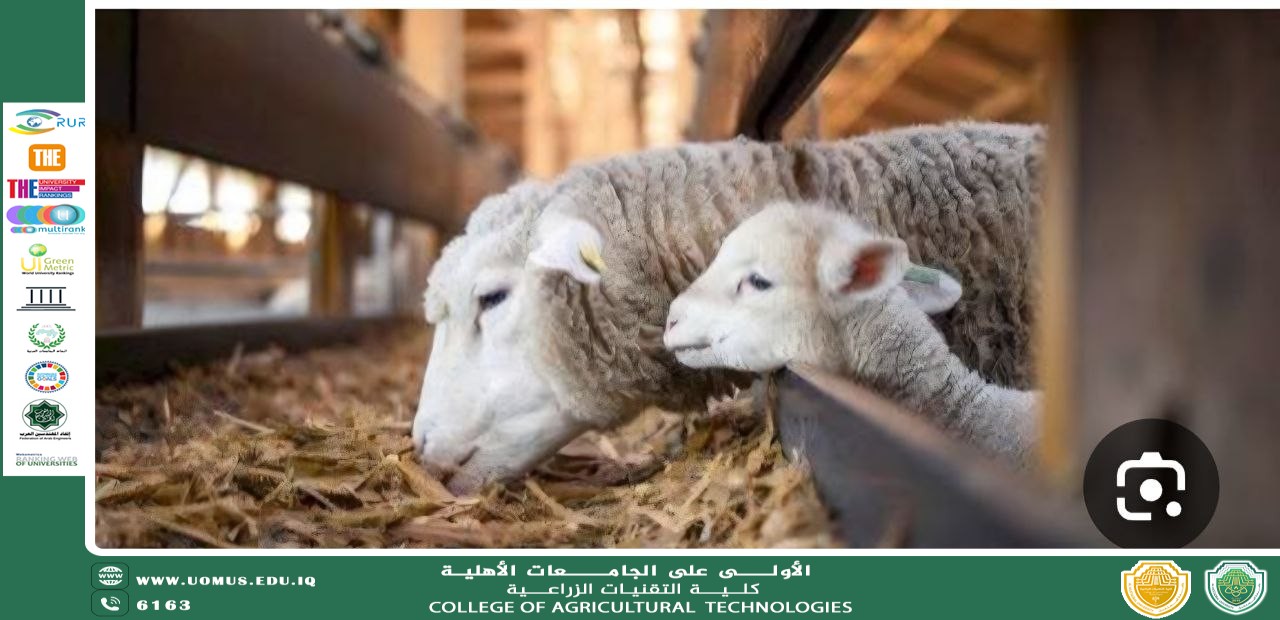
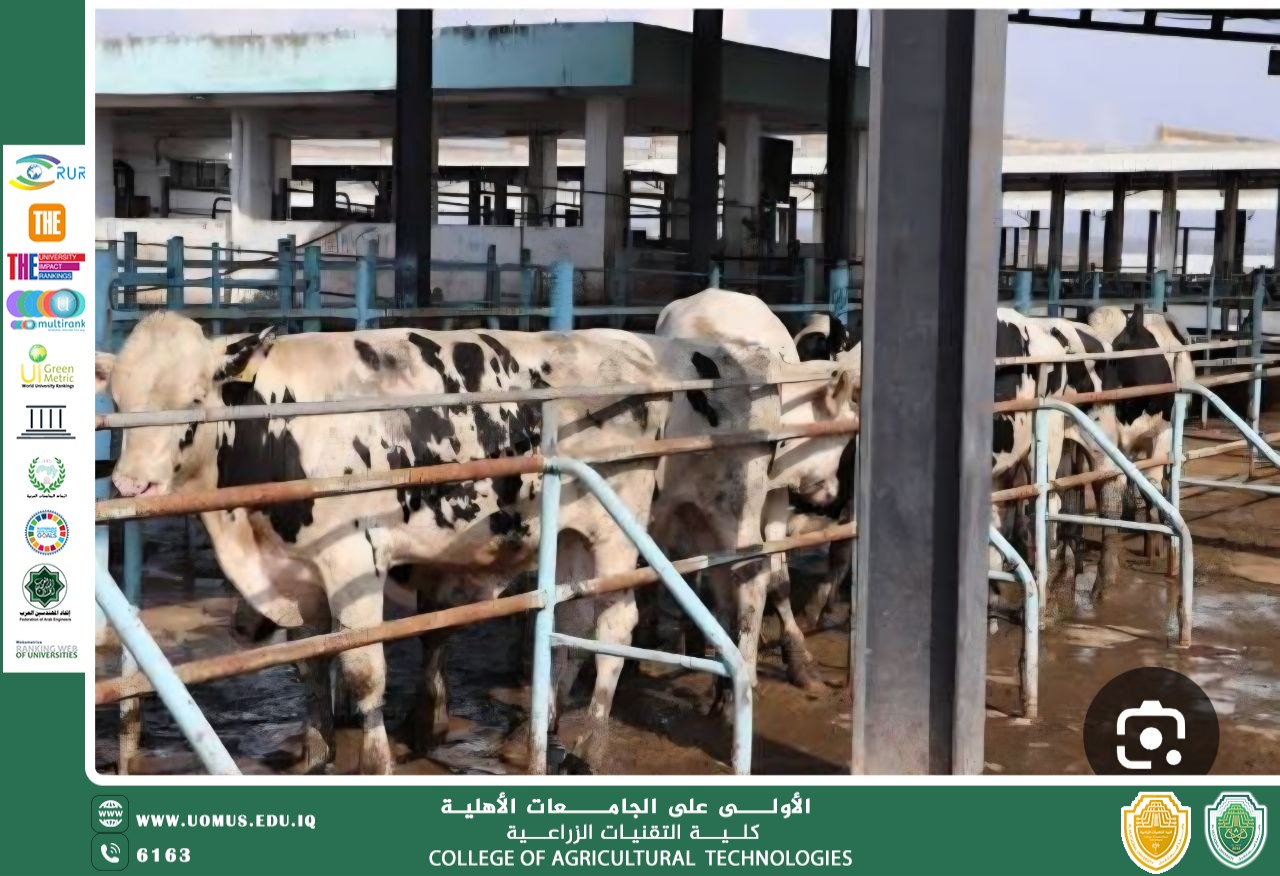

The Role of Animal Production in Achieving Food Security and Agricultural Sustainability
13/02/2026 Share :
The Role of Animal Production in Achieving Food Security and Agricultural Sustainability
By Asst. Lecturer Maryam Abdullah
Animal production is one of the fundamental pillars of the agricultural sector, playing a crucial role in providing food, improving livelihoods, and supporting the agricultural economy. With increasing global challenges such as population growth, climate change, and natural resource scarcity, animal production has become an effective means of achieving food security and promoting agricultural sustainability. This article aims to highlight the vital role of animal production in supporting food security and its importance in building sustainable agricultural systems.
Introduction
Food security is one of the major challenges facing the modern world, as the demand for sufficient and safe food continues to grow. Animal production is an integral part of agricultural systems, providing food sources rich in animal protein and essential nutrients. However, reliance on traditional methods of animal production may lead to the depletion of natural resources, necessitating the adoption of sustainable production strategies that balance productivity with environmental protection.
Importance of Animal Production in Achieving Food Security
Animal production contributes to food security in several ways:
1. Providing high-value food products such as meat, milk, eggs, and their derivatives, which meet human protein requirements.
2. Enhancing dietary diversity and reducing dependence on a single food source, promoting balanced nutrition.
3. Supporting food stability by providing a reliable income for farmers and livestock producers.
4. Strengthening resilience to food crises through flexible and efficient production systems.
Role of Animal Production in Agricultural Sustainability
Animal production plays a central role in promoting agricultural sustainability through:
• Integration of crop and livestock systems, where agricultural residues are used as feed and animal waste is utilized as organic fertilizer.
• Improving soil fertility and increasing productivity efficiency.
• Supporting integrated farming systems that reduce losses and waste.
• Contributing to the optimal use of natural resources to achieve sustainable production.
Challenges Facing Animal Production
Despite its importance, animal production faces several challenges, including:
• Climate change and its impacts on animal health and productivity.
• Rising costs of feed and other essential resources.
• Environmental issues resulting from poor management of animal waste.
• The need to develop modern technologies to improve production efficiency and sustainability.
Conclusion
Animal production is a fundamental component in achieving food security and agricultural sustainability. Realizing this role requires adopting modern agricultural policies based on scientific research, advanced technologies, and sustainable resource management. Developing efficient animal production systems ensures the provision of safe and sustainable food and supports comprehensive agricultural development to meet the needs of both the present and the future.
Al-Mustaqbal University… the leading private university in Iraq.