Scientific Article by the Administrative Assistant (Asst. Prof. Dr. Mohammed Lateef) Titled "Medical Geology"
06/03/2026 Share :
Medical Geology
Medical geology is a science that combines geology and medicine to study the impact of geological factors on the health of humans, animals, and the environment. This field focuses on understanding how minerals, chemical elements, rocks, water, dust, and geological processes affect public health.
Key Topics in Medical Geology
Geochemical Elements and Human Health
Some elements are essential for the body in small amounts, but an excess or deficiency can cause health problems. For example:
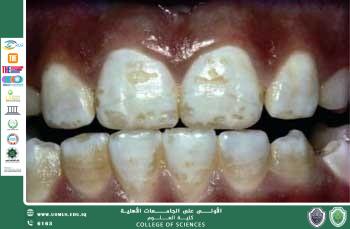
Fluoride: Its deficiency causes dental caries, while excessive amounts lead to dental and skeletal fluorosis. More than 30 million people in China suffer from dental fluorosis due to high fluoride levels in drinking water, primarily linked to the geochemical characteristics of groundwater along with other factors. Other countries affected include southern India, Sri Lanka, Ghana, and Tanzania, where dental and, in some cases, skeletal fluorosis occur.
Iodine: Its deficiency causes goiter. About one billion people—mostly in developing countries—suffer from iodine deficiency disorders due to low dietary intake. Examples of such disorders include endemic goiter, congenital iodine deficiency syndrome, and fetal malformations. Current scientific studies focus on the relationship between iodine distribution in rocks, soil, water, seas, and the atmosphere, and the prevalence of iodine deficiency diseases.
Arsenic: Its presence in groundwater may cause cancer and skin problems, including pigmentation, hyperkeratosis, and skin cancer. Arsenic is a toxic and carcinogenic element found in the minerals of certain rocks, such as iron oxides, clays, and some sulfide minerals. It can reach groundwater through oxidation and then enter the human body via drinking water, causing poisoning. Many cases of arsenic poisoning have been reported in southern Bangladesh, Vietnam, China, Chile, Argentina, and Mexico. Other health effects may include kidney, intestinal, neurological, blood, cardiovascular, and respiratory diseases. Therefore, countries are now highly concerned with studying the medical geochemistry of arsenic.
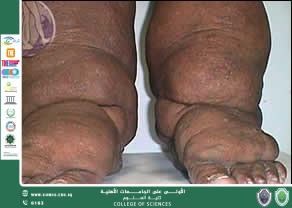
Silicon, Titanium, Akermanite Mineral, Aluminum: Lymphedema (elephantiasis) has appeared in some countries such as Ethiopia, Kenya, Tanzania, Rwanda, Burundi, and Cameroon. Observing the regions where the disease is prevalent shows that all have red clay soils. Analysis of affected lymph node tissue revealed fine particles containing aluminum, silicon, and titanium. Akermanite, a mineral from the amphibole group present in volcanic basement rocks, has been identified as the causative agent of the disease.
Natural Toxic Minerals
Asbestos: Inhalation of its fibers may cause lung cancer.
Radon: A naturally occurring radioactive gas that can cause lung cancer.
Groundwater and Its Quality
This area studies the effects of dissolved salts, heavy metals, and natural geological pollution on human health.
Dust and Sandstorms
Examines the impact of airborne fine particles on the respiratory system, cardiovascular diseases, and allergies.
Geological Hazards and Health
Includes volcanic eruptions and gas emissions, earthquakes and contamination of water sources, and landslides, and their effects on human safety and health in affected and neighboring areas.
Applications of Medical Geology
A. Assessment of heavy metal poisoning risks
B. Improvement of drinking water quality
C. Health planning at the national level through geospatial health mapping
D. Treatment of environment-related diseases by understanding their geological sources
Career Fields for Medical Geology Specialists
Ministries of Health and Environment, water companies, universities and research centers, and international health organizations such as the World Health Organization.
"AL_mustaqbal University is the first university in Iraq"
الهدف 3 – الصحة الجيدة والرفاه
الهدف 6 – المياه النظيفة وخدمات الصرف الصحي
الهدف 12 – الاستهلاك والإنتاج المسؤولان
الهدف 13 – العمل المناخي
الهدف 15 – الحياة في البر