Molecular Basis of Malignancies
07/01/2025 Share :
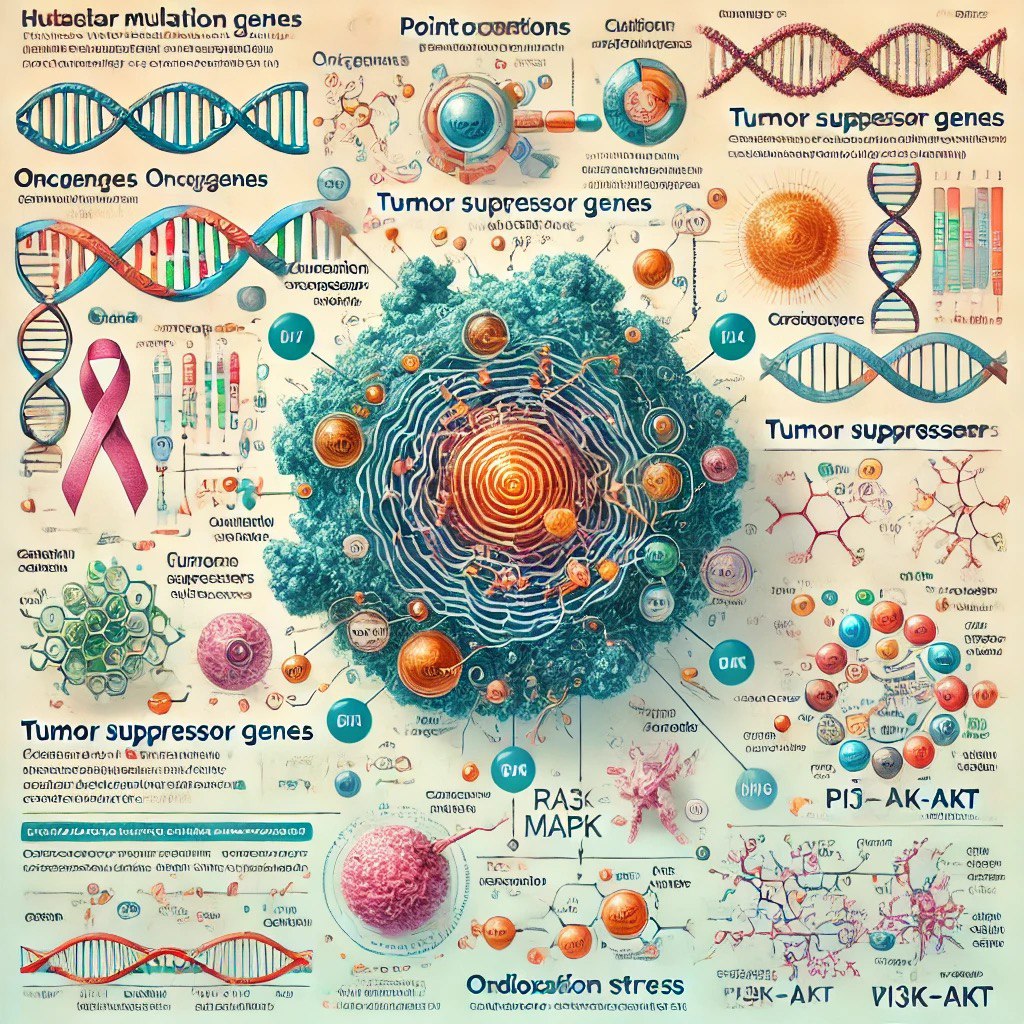
Malignancies, or cancers, arise due to alterations in the molecular pathways that regulate cell growth, division, and survival. These alterations are often driven by genetic mutations, epigenetic changes, and environmental factors. Key molecular players in malignancies include oncogenes, tumor suppressor genes, and DNA repair genes.<br /><br />Oncogenes, such as RAS and MYC, are mutated or overexpressed versions of normal cellular genes (proto-oncogenes) that drive uncontrolled cell proliferation. Conversely, tumor suppressor genes like TP53 and RB1 lose function in malignancies, removing the brakes on cell growth and allowing unchecked division. Mutations in DNA repair genes, such as BRCA1 and BRCA2, result in genomic instability, increasing the likelihood of further mutations.<br /><br />Epigenetic changes, including DNA methylation and histone modification, also play a crucial role by altering gene expression without changing the DNA sequence. Additionally, the tumor microenvironment, including immune cells, stromal cells, and signaling molecules, interacts dynamically with cancer cells, influencing tumor growth and progression.<br /><br />Understanding these molecular mechanisms is critical for developing targeted therapies, such as tyrosine kinase inhibitors, monoclonal antibodies, and immune checkpoint inhibitors, which have revolutionized cancer treatment. Insights into the molecular basis of malignancies continue to pave the way for precision medicine and improved patient outcomes.<br />