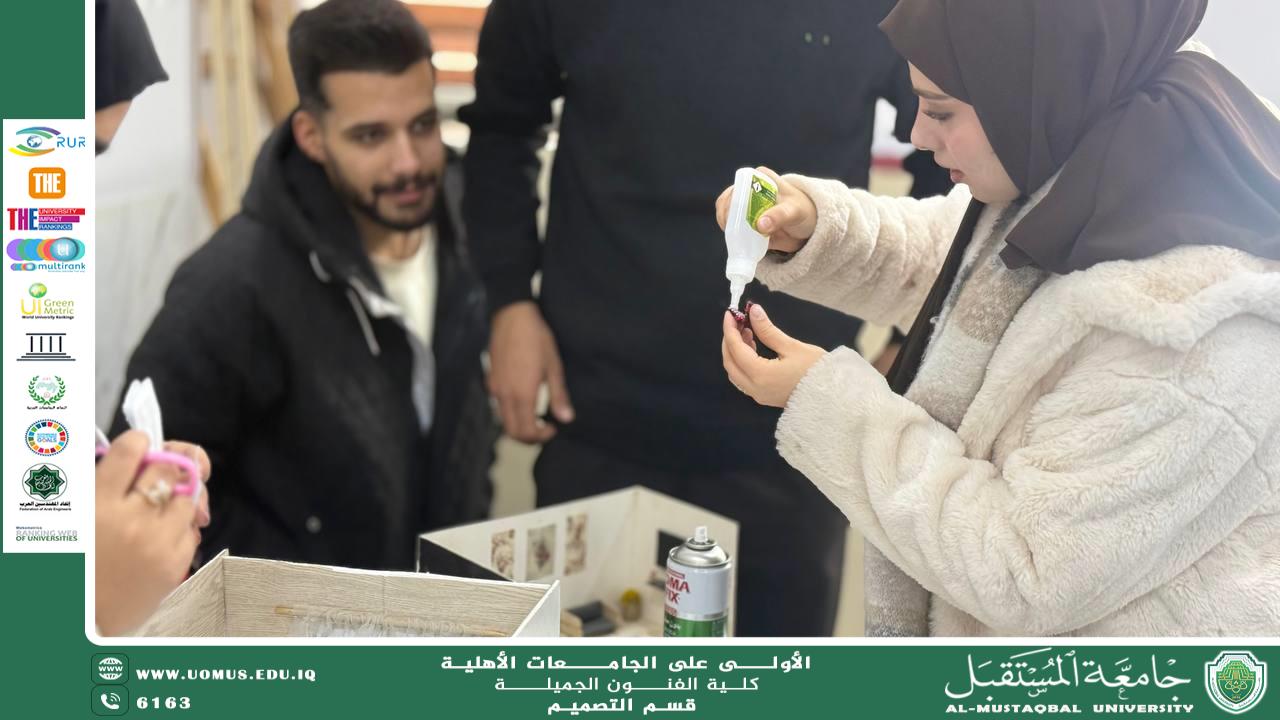

Interior Design and Its Role in Creating Functional, Aesthetic, and Sustainable Spaces
Interior design is considered one of the most important applied arts that combines aesthetics and functionality, as it contributes to shaping interior spaces in a way that meets human psychological and practical needs while reflecting the aesthetic and cultural identity of a place. The role of interior design goes beyond visual appearance to include spatial planning, element distribution, furniture selection, and material usage to achieve comfort, efficiency, and sustainability.
Interior design covers various spaces such as bedrooms, bathrooms, kitchens, offices, and residential and commercial properties. Each space requires a distinct design approach based on its function and usage, which demands a deep understanding of the relationship between humans and space and the ability to balance functional and aesthetic aspects.
Materials play a crucial role in the success of interior design. Designers rely on a wide range of materials such as fabrics, glass, wood, ceramics, wallpaper, and other commonly used interior décor materials. The smart selection of these materials enhances visual identity, achieves color harmony, and creates a sense of comfort, warmth, modernity, or openness depending on the design concept.
With the development of contemporary concepts, sustainability has become an essential part of the interior design process through the use of eco-friendly materials, resource efficiency, material reuse, and design solutions that reduce waste and protect the environment. Sustainable interior design also improves quality of life within spaces and promotes environmental awareness among users.
This approach aligns with the Sustainable Development Goals, particularly Goal 4 (Quality Education) by supporting applied learning and developing students’ creative and practical skills, as well as Goal 11 (Sustainable Cities and Communities) by promoting sustainable interior design concepts that consider both human needs and environmental responsibility. Thus, interior design becomes an effective tool for creating balanced human-centered spaces that integrate beauty, functionality, and sustainability.
Almustaqbal University, The First University in Iraq.