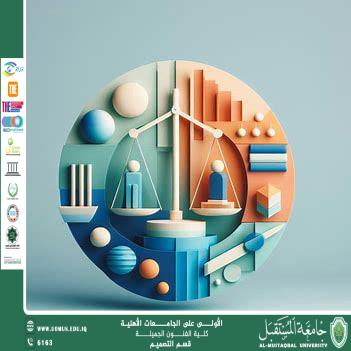
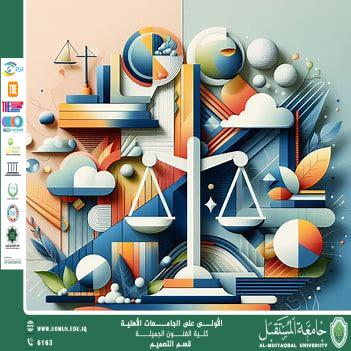
Art as a Means of Legal Expression of Social Issues
Art is considered one of the most powerful expressive means for addressing social issues and engaging with intellectual and legal transformations. It transcends mere aesthetic practice to become a visual and cultural discourse carrying legal and human dimensions. Throughout history, art has contributed to documenting social injustices and raising questions related to justice, rights, and freedoms, making it an indirect yet effective means of legal expression of societal concerns.
The legal role of art stems from its ability to transform abstract concepts such as justice, freedom, equality, and human rights into visual images and symbols that can be perceived and interpreted. Artistic works—whether paintings, sculptures, murals, or design projects—possess a unique capacity to convey legal messages through symbolic and emotionally impactful language that transcends written text and resonates with the viewer’s conscience, thereby contributing to the formation of legal awareness within society.
Art also functions as a visual documentation tool for legal issues, reflecting scenes of social injustice, human rights violations, and issues related to poverty, discrimination, and violence. By highlighting such matters, art stimulates public dialogue and reinforces its role in supporting social justice and the rule of law.
In contemporary contexts, art has emerged as a form of peaceful legal protest, expressing opposition to unjust laws or unfair practices and advocating for legal and legislative reform. This is particularly evident in street art, murals, and posters, which have become visual platforms representing the voice of society and documenting its legal demands through legitimate creative expression.
Moreover, art plays an educational role in spreading legal culture by simplifying complex legal concepts and presenting them in visual forms that are accessible to the public. This function enhances societal understanding of rights and duties and supports a culture of respect for the law, especially among young people, through innovative and influential artistic approaches.
Artists bear ethical and legal responsibility when addressing social issues, as artistic expression of legal themes requires awareness of social context and respect for human values while maintaining freedom of expression within legal frameworks. Achieving this balance between freedom and responsibility represents one of the key challenges facing contemporary legal art.
The study concludes that art constitutes an effective means of legal expression of social issues, given its ability to influence public awareness, document human rights concerns, and contribute to the promotion of social justice. This highlights the importance of integrating art into legal and cultural discourses as a tool for positive change and the construction of a more just and conscious society.
Achieved Sustainable Development Goal
This article aligns with Sustainable Development Goal 16: Peace, Justice, and Strong Institutions, by promoting awareness of justice, rights, and the rule of law. It also relates to SDG 4: Quality Education, through enhancing legal culture and critical thinking via artistic practices.
Almustaqbal University, The First University in Iraq.