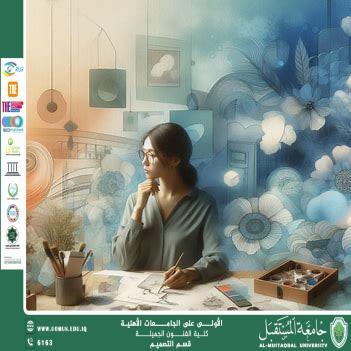

The Legal Responsibility of the Artist for the Content of Artistic Work
The legal responsibility of the artist for the content of artistic work is one of the contemporary issues that has generated extensive debate within legal and cultural circles, due to the intersection between freedom of artistic expression and the legal obligations governing public discourse. Art, as an influential visual and cultural language, is inseparable from the social and legal context in which it is produced, thereby imposing a degree of responsibility on the artist regarding the content of the work and its potential impact.
The artist’s legal responsibility arises from the principle that freedom of expression is subject to legal limitations aimed at protecting public order, morals, and the rights of others. Accordingly, artists may be held legally accountable if their work includes explicit offense to individuals or groups, incitement to violence or hatred, or violations of personal or intellectual property rights. Although the scope of this responsibility varies across legal systems and cultural contexts, its essence lies in balancing creative freedom with legal compliance.
The content of the artistic work plays a central role in determining the scope of legal responsibility. Legal frameworks often distinguish between symbolic expression open to interpretation and direct expression carrying explicit meanings that may constitute legal violations. This distinction raises interpretative challenges, as readings of artistic works may differ between audiences and legal authorities, necessitating objective criteria that acknowledge the nature and expressive function of art.
In contemporary contexts, the spread of digital platforms and social media has intensified the complexities of legal responsibility, as artistic works now reach global audiences and cross legal jurisdictions. This reality requires artists to be mindful of the legal implications of their work’s content, particularly when addressing sensitive religious, political, or social issues.
The artist’s responsibility is not limited to the legal dimension alone; it also encompasses an ethical dimension related to respect for human values and awareness of the artwork’s influence on audiences and society. Integrating legal and ethical responsibility reflects the maturity of artistic practice and its capacity to generate positive impact without undermining freedom of expression.
The study concludes that the legal responsibility of the artist is not intended to restrict creativity, but rather to regulate it within a framework that safeguards rights and public freedoms. Achieving a balance between artistic freedom and legal responsibility remains a fundamental condition for producing conscious and responsible art that contributes to societal development and the promotion of legal culture.
Achieved Sustainable Development Goal
This article aligns with Sustainable Development Goal 16: Peace, Justice, and Strong Institutions, by promoting the rule of law and protecting rights and freedoms. It also relates to SDG 4: Quality Education, through enhancing legal and cultural awareness among artists and the wider community.
Almustaqbal University, The First University in Iraq.