Scientific Article: Applications of Analytical Chemistry in Water Quality Analysis
Introduction
Water is essential for life, and monitoring its quality has become increasingly important due to industrial and agricultural activities. Analytical chemistry plays a key role in assessing water quality by identifying chemical, physical, and biological contaminants and ensuring water safety for various uses.
Principle of Chemical Analysis
Water analysis is based on measuring chemical or physical changes that occur when water components interact with reagents or light. These measurements are used to accurately determine concentrations of salts, heavy metals, and organic compounds.
Components of Chemical Analysis
1. Analytical Instruments
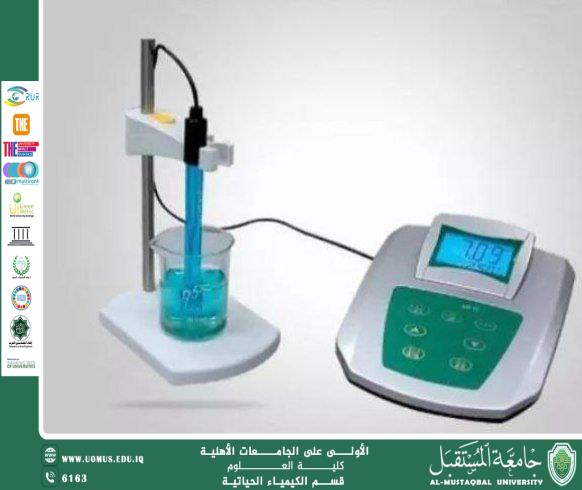
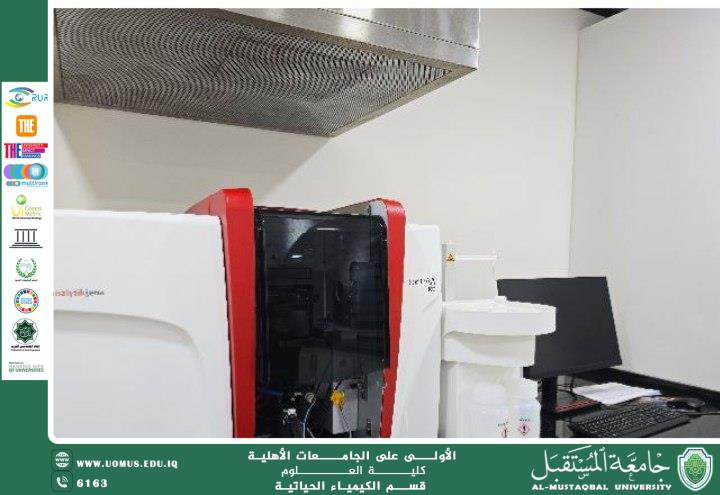
Water quality analysis involves instruments such as UV–Vis spectrophotometers, atomic absorption spectroscopy (AAS), high-performance liquid chromatography (HPLC), and pH and conductivity meters.
2. Samples
Water samples are collected from drinking water sources, rivers, wells, and industrial effluents, then prepared using standard procedures.
3. Reagents and Standards
Standard solutions and specific reagents are used for ion and metal determination, along with reference materials for calibration.
Types of Analysis
1. Physical Analysis
Includes turbidity, color, and temperature measurements.
2. Chemical Analysis
Includes pH, dissolved salts, nitrates, and heavy metal determination.
3. Trace Analysis
Focused on detecting very low concentrations of pollutants such as lead and cadmium.
Practical Examples
Nitrate determination using UV–Vis spectroscopy.
Lead analysis using atomic absorption spectroscopy.
Organic pollutant analysis using HPLC.
Advantages
Analytical methods provide high accuracy, good sensitivity, and continuous monitoring of water quality.
Limitations
These methods require advanced instruments, operational costs, frequent calibration, and results may be affected by sample conditions.
Conclusion
Analytical chemistry is essential for water quality assessment and public health protection. It enables early detection of contaminants and supports sustainable water resource management.
University of Al-Mustaqbal Ranks First Among Iraqi Private Universities