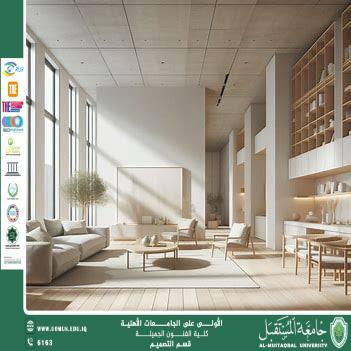

The Impact of Interior Design on the Success of Architectural Spaces
Interior design is considered one of the fundamental pillars in creating successful architectural spaces. Its role goes beyond aesthetics to encompass functional, psychological, and social dimensions. Interior design acts as a bridge between humans and space, transforming static architectural structures into dynamic environments that influence users’ behavior and daily experiences.
A well-planned interior design enhances the efficiency of architectural spaces through the proper distribution of elements, organized movement, and effective use of lighting, colors, and materials according to the intended function. Every interior element, from furniture to lighting and materials, carries a specific purpose and meaning that directly affects user comfort and sense of belonging.
Interior design also plays a vital role in expressing the cultural and architectural identity of spaces, whether educational, healthcare, residential, or public. It reflects the spirit and function of the place and strengthens the visual and conceptual message of the architectural environment, positively impacting the quality and sustainability of space usage.
From a psychological perspective, interior design has a direct effect on mood and productivity. Balanced colors, natural lighting, and proper ventilation contribute to creating healthy and stimulating environments that reduce stress and enhance comfort and safety.
Moreover, interior design is closely linked to sustainability by reducing energy consumption through the use of sustainable materials, improving lighting and ventilation efficiency, and extending the lifespan of architectural spaces. This aligns with Sustainable Development Goal 11: “Sustainable Cities and Communities”, which emphasizes the importance of providing safe, inclusive, resilient, and sustainable urban environments.
In conclusion, the success of architectural spaces cannot be achieved without conscious and thoughtful interior design that balances aesthetics and functionality while meeting human needs and sustainability requirements, making architectural spaces more effective and impactful on individuals and society.
Almustaqbal University, The First University in Iraq.
الهدف 11 – المدن و المجتمعات المستدامة