Child-Friendly Urban Design – Notes on Public Spaces
Child-friendly urban design represents a contemporary approach in city planning, focusing on making public spaces safer, more inclusive, and responsive to the needs of children as key users of the city. Modern urban planning no longer addresses only the functional requirements of adults; it increasingly aims to provide urban environments that support children’s physical, psychological, and social development, while fostering their sense of belonging and community participation.
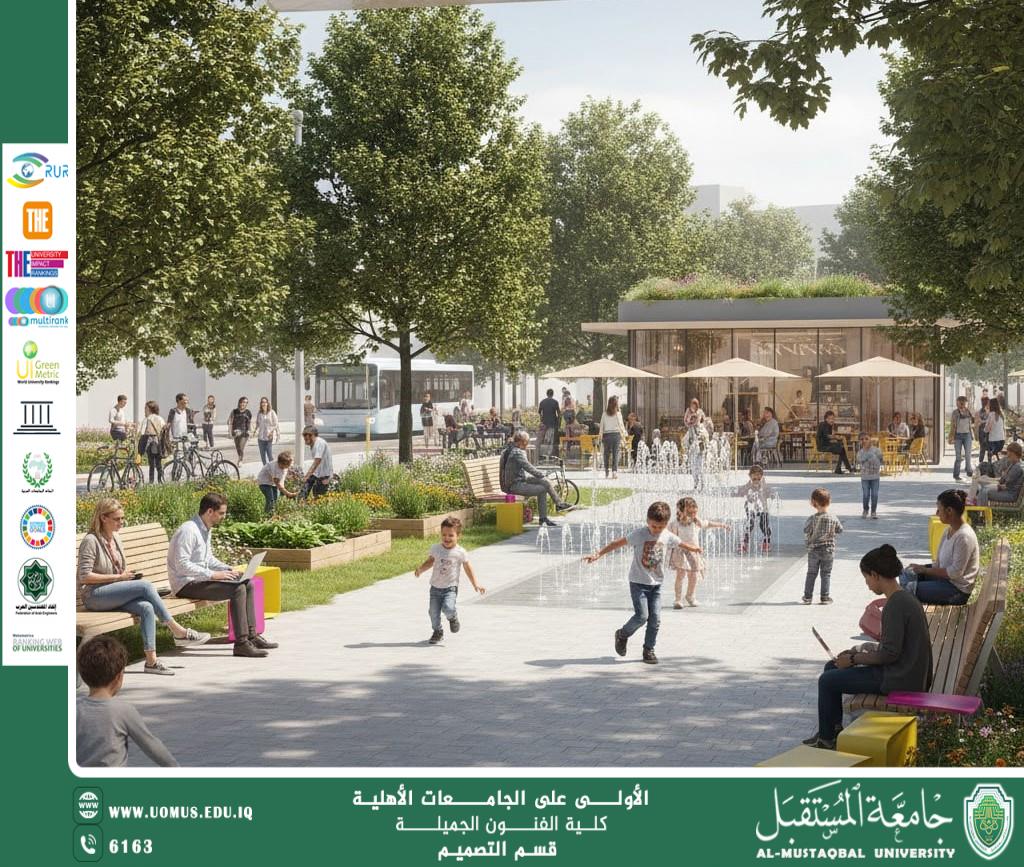
Public space plays a central role in a child’s urban life, encompassing streets, squares, parks, sidewalks, and open play areas. The quality of these spaces directly affects opportunities for free play, social interaction, and the development of motor and cognitive skills. Urban design that considers children’s needs provides safe areas for movement, minimizes traffic hazards, and enhances accessibility, allowing children to navigate the city with gradually increasing independence appropriate to their age.
Child-friendly urban design relies on several key principles. Safety is paramount, achieved through measures such as reduced vehicle speeds, clearly marked pedestrian crossings, and separation of traffic from play areas. Functional diversity is also essential, ensuring public spaces offer a range of activities that combine play, learning, relaxation, and social interaction. This diversity makes public spaces vibrant environments capable of accommodating various age groups.
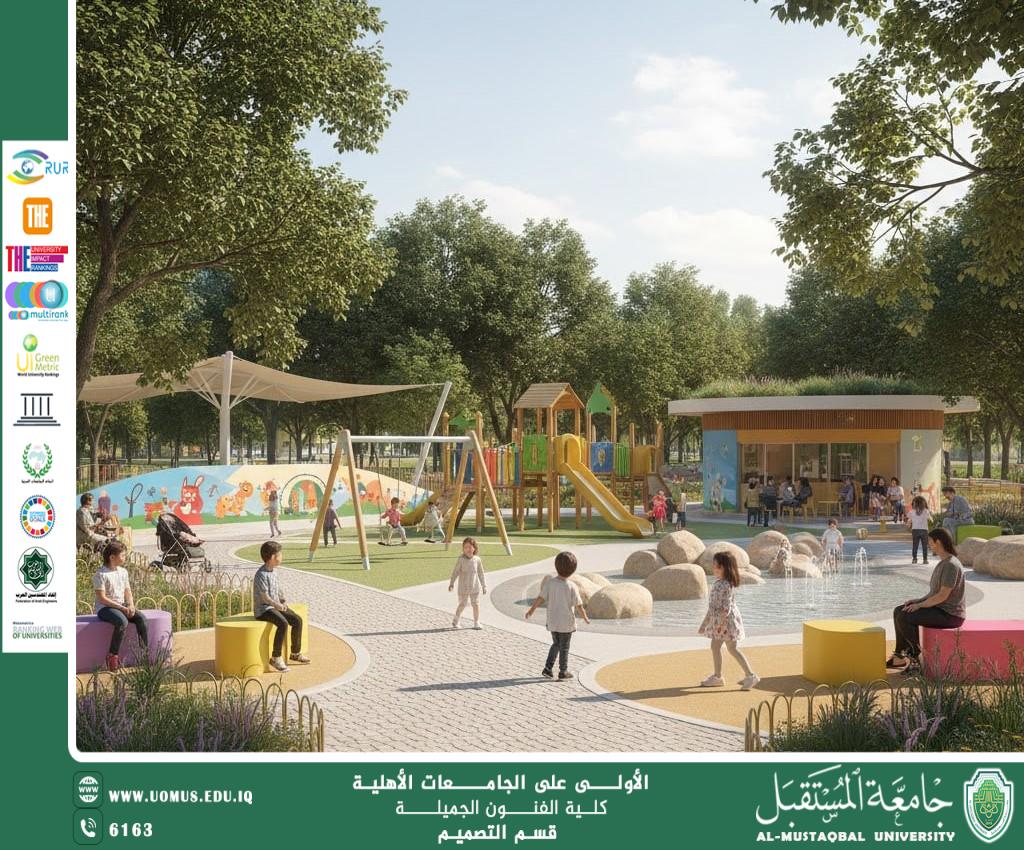
Psychological and aesthetic factors play an important role in shaping children’s experiences within the city. The use of colors, natural elements, and human-scale design contributes to a stimulating environment. The presence of trees, green areas, water features, and interactive artistic elements encourages exploration and imaginative play, fostering a positive relationship between children and their surroundings and enhancing feelings of safety and comfort.
The concept of child-friendly urban design goes beyond creating designated play areas, encompassing the integration of children’s needs into overall city planning. Streets, sidewalks, squares, schools, and public facilities should be designed according to a holistic vision that places children at the center of the planning process. Engaging children and their families in the planning process is a modern approach that ensures the creation of realistic and usable spaces.
In conclusion, child-friendly urban design represents a long-term investment in the future of cities and communities, contributing to the development of healthier, more independent, and socially engaged generations. By improving the quality of public spaces and making them safer and more interactive, cities can become supportive environments for children’s growth while enhancing overall urban life quality.
Almustaqbal University, The First University in Iraq.
الهدف 11 – المدن و المجتمعات المستدامة